US Senate rejects Iran troop removal resolution after last-minute Republican switch
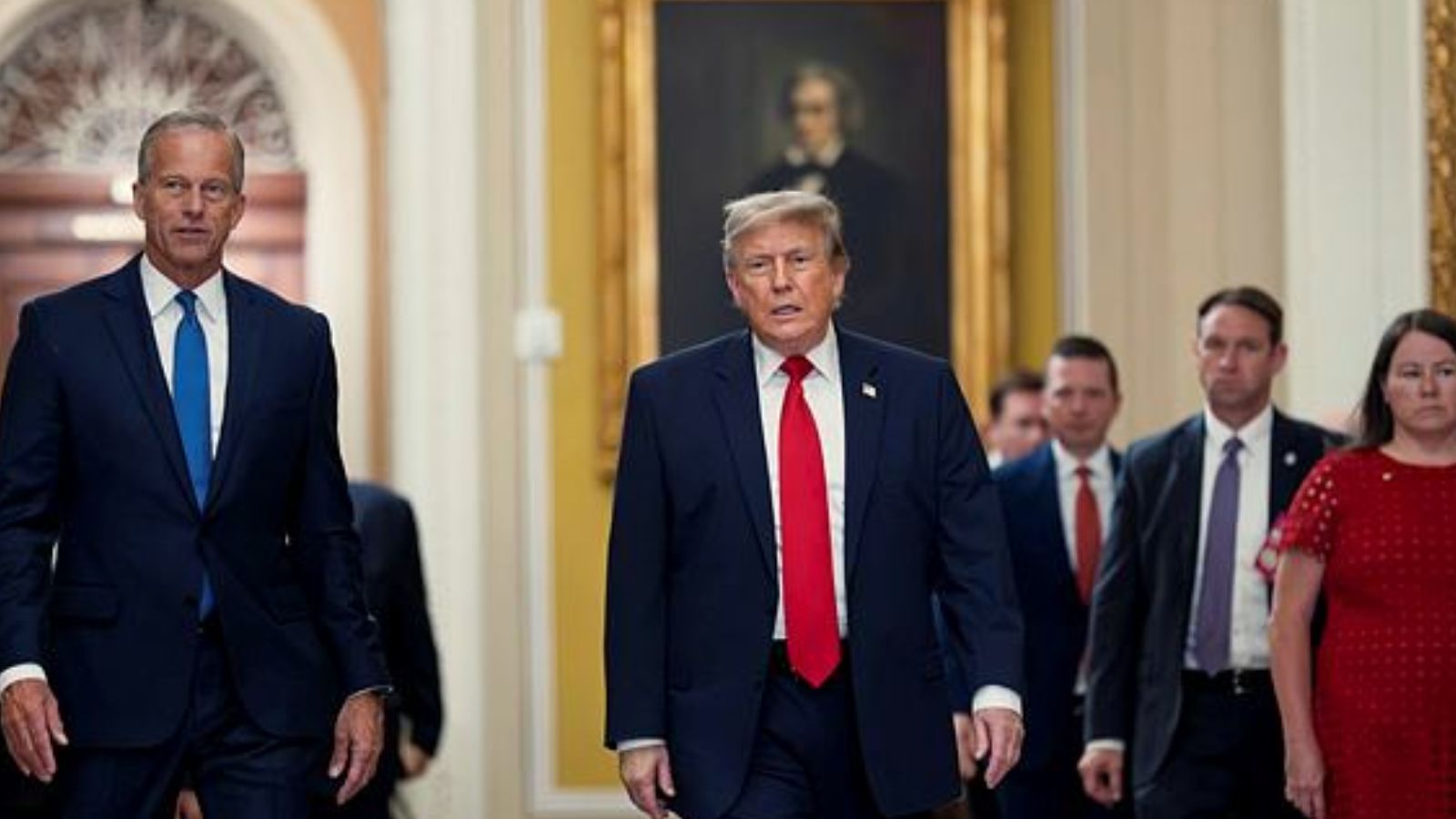
The United States Senate has voted down a resolution that would have required the removal of American military forces from Iran, after two Republican senators reversed their positions. The final vote count was 47 in favour, 50 against, with one abstention, falling short of the simple majority needed for passage.
The vote on Wednesday night came just a day after the Senate approved a symbolic resolution limiting President Donald Trump’s authority to launch military action against Iran. The fresh measure, introduced by Democratic senators, aimed to withdraw US troops from hostilities with Iran under the War Powers Act of 1973.
According to CNN, President Trump had expressed frustration to Republican senators in a closed-door meeting, arguing that such resolutions weaken his negotiating position with Iran. In a post on his social media platform Truth Social, Trump thanked Senators Rand Paul, Bill Cassidy, and Senate Republican leader John Thune for their support in defeating the measure.
Senator Rand Paul, who had previously voted with Democrats to restrict presidential war powers, voted “present” on Wednesday. In a statement on X (formerly Twitter), Paul said: “My opinion on the debate over war and executive power has not changed... But since hostilities seem to be over and the President asked me to give consideration to his negotiating...” He added that his vote was intended to give the President “more space and leverage to negotiate a lasting peace.”
Senator Bill Cassidy, who also voted to limit war powers in Tuesday’s resolution, changed his vote after receiving a briefing from Vice President JD Vance and Special Envoy Steve Witkoff. Cassidy tweeted: “I appreciate the quick invitation to the White House to address many of my concerns.”
The failed resolution is largely symbolic, as it does not have the force of law. The Associated Press notes that both resolutions approved this week — the one limiting war powers and the troop removal measure — are non-binding expressions of Congressional sentiment.
Wednesday’s vote marked the 11th time the Senate has considered an Iran war powers resolution since the beginning of the year, reflecting ongoing tensions between the executive and legislative branches over the use of military force. The Senate is now on a two-week recess starting Thursday.
Critics of the resolution argued that it would hamstring the President’s ability to protect American interests and allies, while supporters said it reaffirms Congress’s constitutional role in authorising military action. The debate highlights the delicate balance between the powers of the presidency and the legislative branch as outlined in the US Constitution.