US Midterms: Economy, Iran War, Immigration and AI Shape How Americans Will Vote
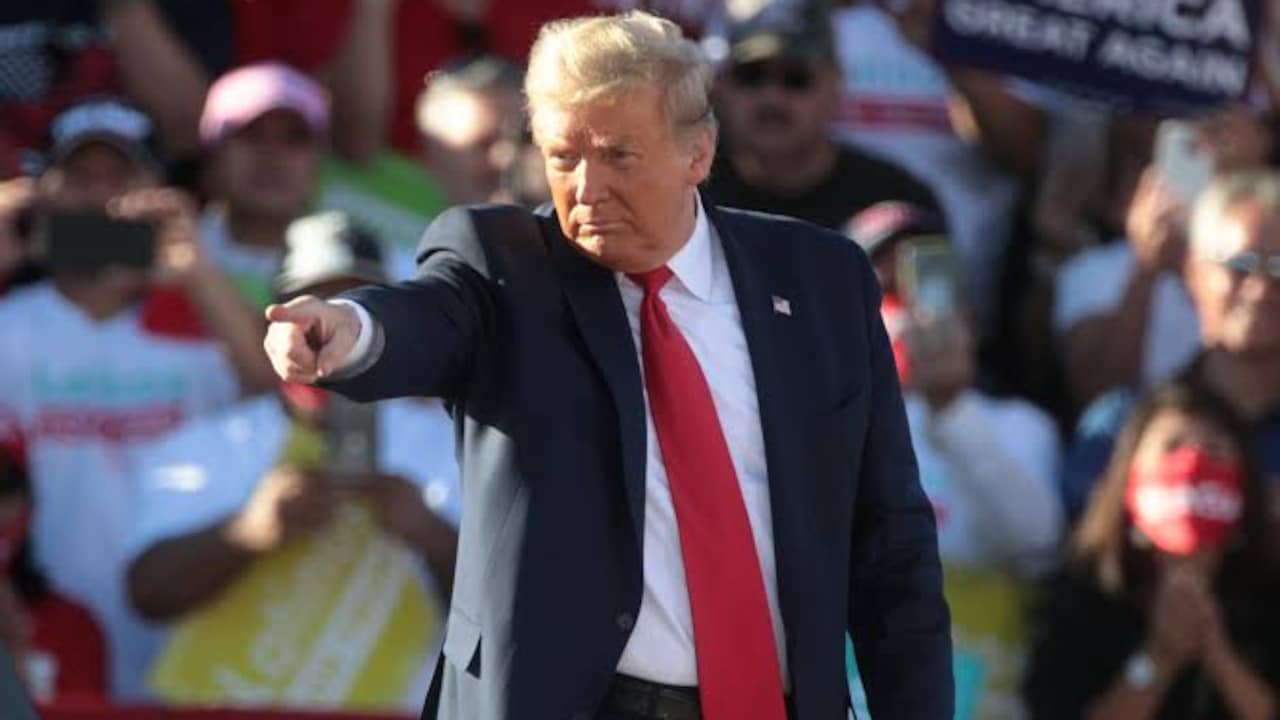
Americans will vote on November 3 in midterm elections that will decide who controls Congress for the final two years of President Donald Trump's term, along with dozens of governorships and thousands of state offices.
The campaign is being fought against an unusually volatile mix of economic anxiety, war, immigration disputes, corruption concerns and unease over rapidly expanding artificial intelligence.
Surveys that ask voters about their priorities use different methods, but they broadly agree that household finances dominate. A Pew survey found economic issues easily topped voters' worries, while a September Emerson poll listed the Iran war, jobs, tariffs, fuel prices, immigration and AI regulation among the most important factors in voting decisions.
Here are five issues shaping the contest.
The economy
Affordability remains the first concern. Inflation stood at 3.4 per cent in August, but the political problem goes beyond the headline rate: voters are paying more for petrol, housing, electricity, groceries and borrowing.
Pew found 29 per cent of voters spontaneously named an economic concern when asked what they most wanted congressional candidates to discuss — more than three times any other category. A separate survey by the Joseph Rainey Center for Public Policy found 57 per cent placed groceries, petrol or utilities among their top three issues.
Mr Trump's tariffs feed directly into the debate. Opponents blame them for higher costs; the administration says they protect American industry and raise revenue.
The war with Iran
A foreign war has become a domestic pocketbook issue. The conflict with Iran, under way since February, has pushed energy costs higher and is deeply unpopular.
Emerson's September survey rated the Iran war the single most important issue among those it tested, while Reuters/Ipsos found only 34 per cent approved of Mr Trump's handling of the conflict. Republican candidates in several competitive races have called for the fighting to end, and four Republican senators joined Democrats in a September vote seeking to rein it in.
Immigration
What was once Mr Trump's signature political strength has become more complicated. The president returned to office promising mass deportations, but controversy over aggressive enforcement operations has eroded support.
Reuters/Ipsos found 55 per cent disapproved of his handling of immigration. Marist found the two parties essentially level on which voters trusted more on the issue — a striking change from the clear Republican advantage in 2024.
The shift is particularly notable among Latino voters. A survey across competitive House districts found 62 per cent of Latino voters disapproved of the administration's deportation and immigration enforcement.
Trump, money and power
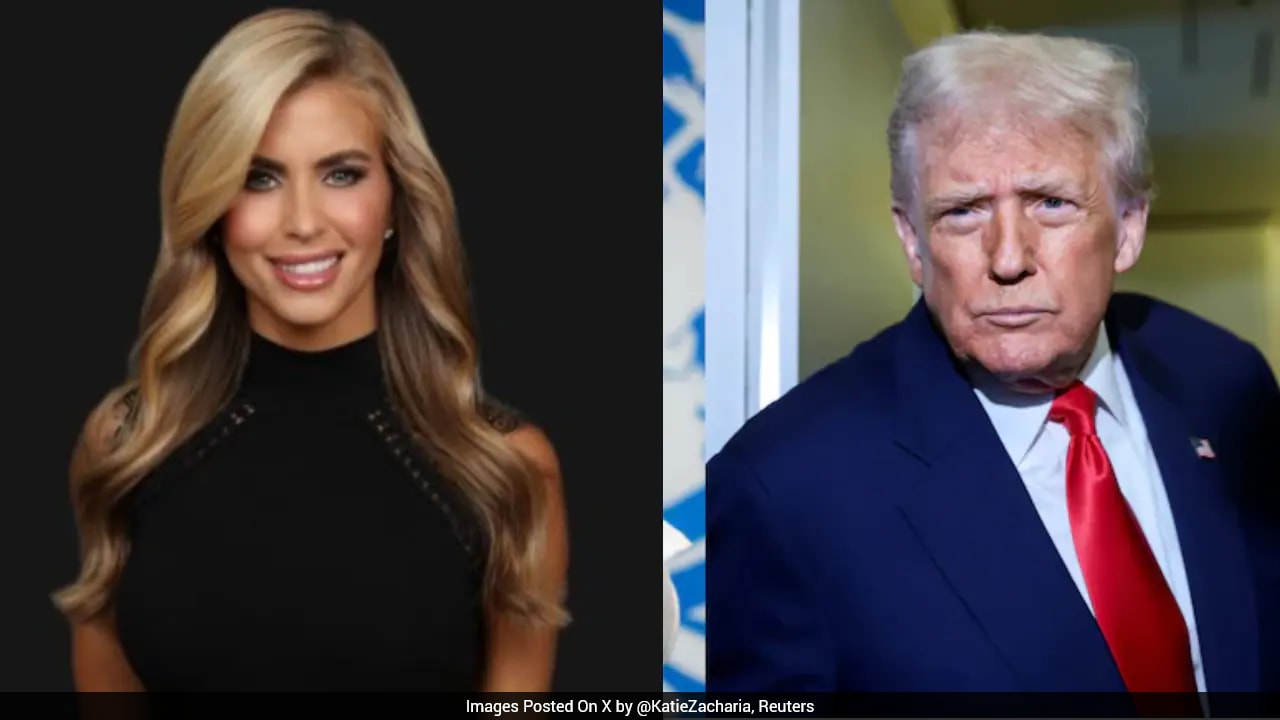
The president himself is an issue, including how he uses the office. Mr Trump has explicitly asked voters to behave as though he were on the ballot, making the election partly a referendum on his second term.
Government ethics ranked second behind the economy in Pew's open-ended survey, cited by 9 per cent of voters. A University of Massachusetts Amherst poll found 97 per cent of Americans believed there was at least some corruption in the federal government, while 66 per cent said they had little or no trust in Mr Trump to avoid using the presidency to benefit his family's businesses.
Democrats have promised investigations into the Trump family's business dealings if they win congressional subpoena power. Republicans dismiss many such allegations as partisan attacks.
Artificial intelligence
AI has moved out of the laptop and onto the campaign trail. Voters worry about job losses, safety and regulation — and increasingly about the vast data centres needed to power AI systems.
Nearly half of Americans told Pew they were very concerned about AI's role in the economy, while about 50 per cent expressed concern about the local impact of large data centres.
Together, these five issues will shape how Americans cast their ballots — and who will control Congress during the final two years of Mr Trump's presidency.