US Imposes 10% Tariffs on Indian Goods Over Forced Labour; Lower Rate After Talks
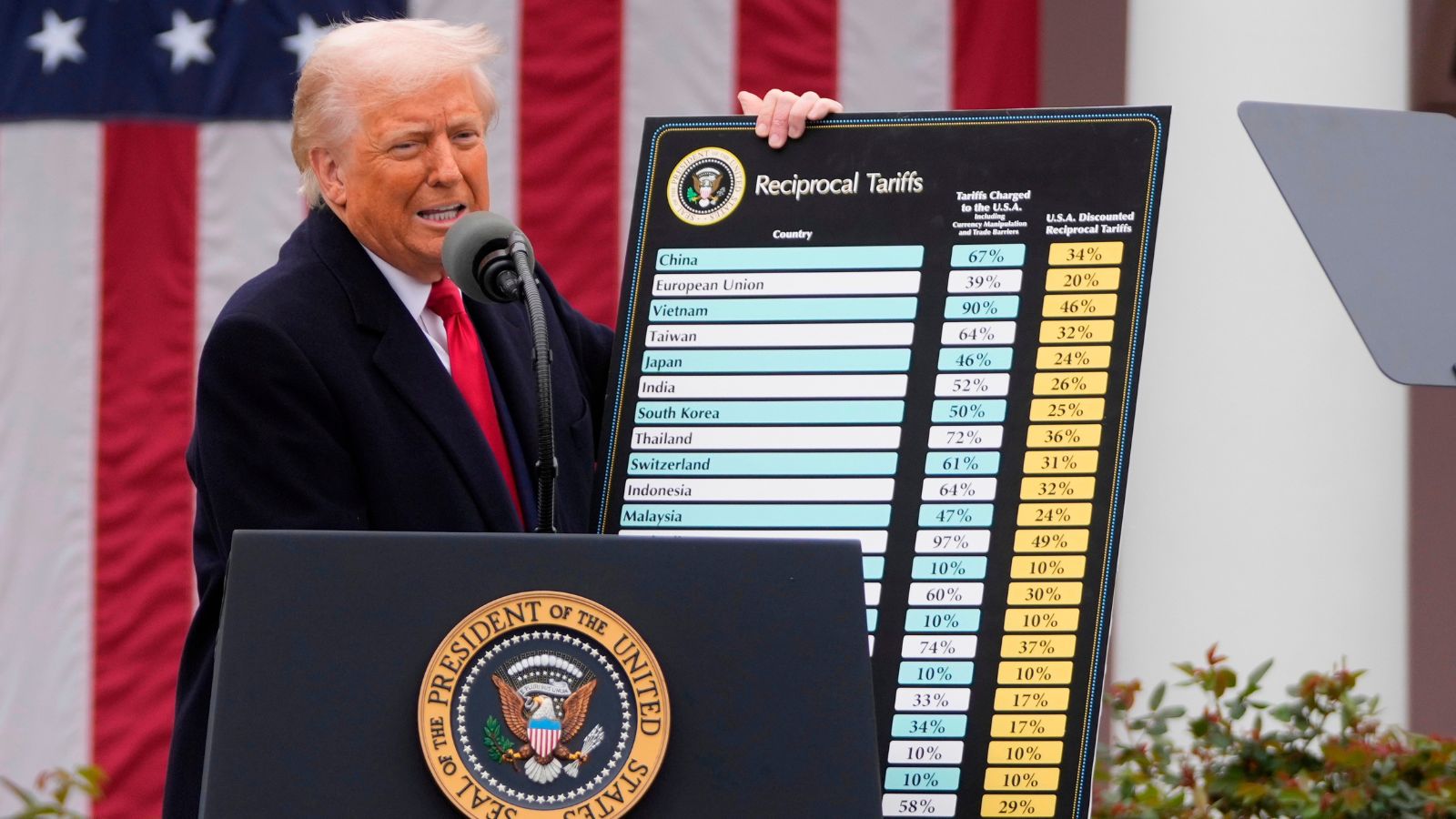
The United States has imposed a 10 per cent tariff on goods imported from India, citing inadequate steps to combat forced labour. The tariff, announced by the Office of the US Trade Representative (USTR) on Thursday, is part of a broader measure targeting 60 economies with rates ranging from 10 to 12.5 per cent.
India was initially considered for a higher 12.5 per cent rate, but was placed in the lower 10 per cent band following what officials described as constructive consultations with Washington on labour practices. India joins 16 other economies in this lower category, including the United Kingdom, Canada, Indonesia, Bangladesh, and Mexico.
The tariffs are directed by President Donald Trump under a directive aimed at eliminating goods made with forced labour from global supply chains. The USTR stated that the affected countries have not taken sufficient measures to ban imports produced under forced labour conditions.
Forced labour, as defined by international conventions, includes work or service exacted under threat of penalty and for which the person has not offered themselves voluntarily. The issue has been a growing concern in US trade policy, with previous actions targeting specific products from various nations.
The decision places India among a group of nations considered to have made some progress but still requiring additional efforts. The lower tariff rate indicates a willingness by the US to engage diplomatically while maintaining pressure. Indian officials have not yet issued an official response, but earlier discussions had focused on addressing US concerns through strengthened labour laws and enforcement.
Experts suggest that the 10 per cent tariff could affect Indian exports in sectors such as textiles, leather goods, and agricultural products, though the overall impact is expected to be limited due to the relatively low rate. However, the measure signals a tougher US stance on labour rights in trade, which may influence future negotiations.
The announcement comes amid a broader review of US trade policies under President Trump, who has emphasised protecting American workers and ensuring fair competition. Other countries in the higher tariff band include China, Vietnam, and Thailand, reflecting the US assessment of their efforts to address forced labour.
The development highlights the importance of labour standards in international trade and the need for India to demonstrate compliance to avoid further trade restrictions. The Indian government is expected to continue dialogue with the US to resolve the issue and prevent escalation.