US Ends Iran Oil Sanctions Waiver After Tanker Attacks Near Oman
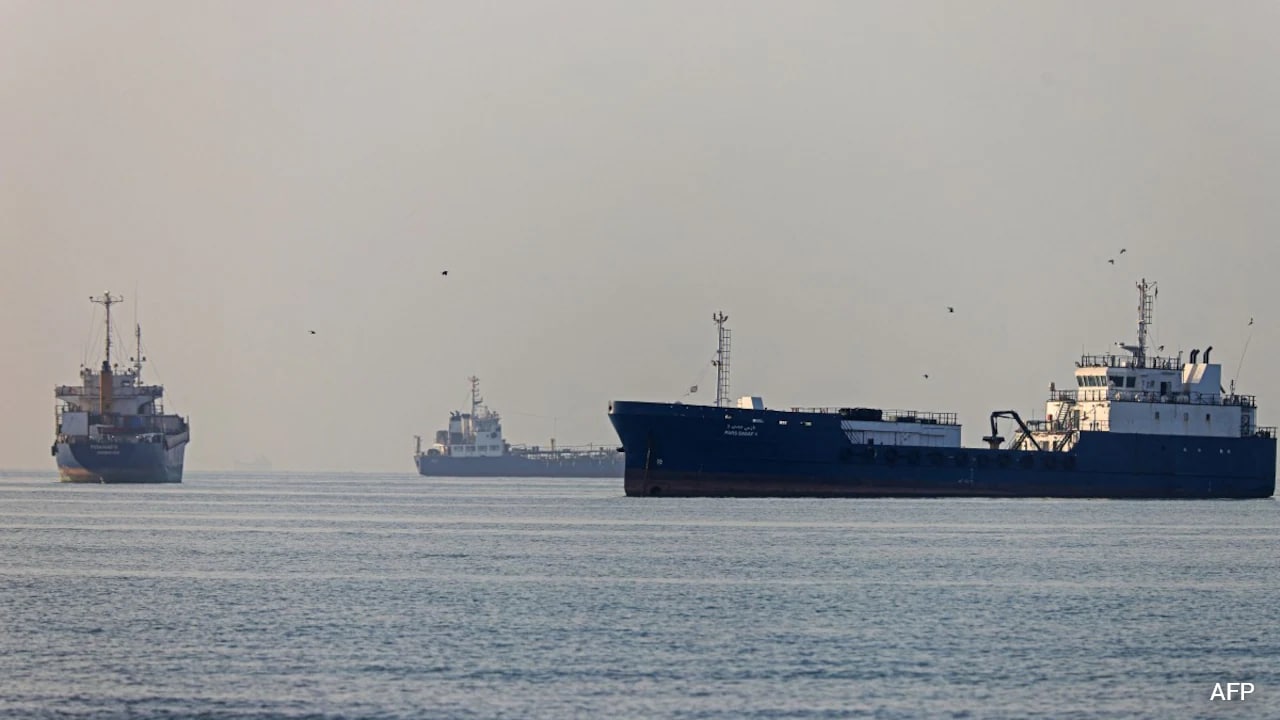
The United States has revoked a temporary sanctions waiver that allowed Iran to export crude oil, following attacks on three tankers near the Strait of Hormuz. The US Treasury Department cancelled the licence, which had been announced in June and was set to expire on August 21, citing Iran's actions in the strategic waterway.
A US official, speaking on condition of anonymity, said Iran's behaviour was 'wholly unacceptable' and would have consequences. The official added that the US-Iran memorandum of understanding, signed last month, was performance-based, meaning Tehran would only receive benefits if it demonstrated good conduct. Despite the revocation, US negotiators continue to work towards a final agreement, the official stated.
The attacks occurred overnight, with the British maritime security agency UKMTO reporting that an 'unknown projectile' hit a tanker, causing a fire, before two more vessels were struck, at least one by a drone. All three incidents took place near Oman, which had proposed a temporary transit corridor along its coastline—a plan opposed by Iran as it seeks to impose fees on ships transiting the narrow waterway.
Qatar identified one of the vessels as its LNG tanker Al-Rekayyat and blamed Iran for the attack, denouncing what it called an 'unacceptable' breach of international maritime navigation. Doha summoned Iran's deputy ambassador to lodge a complaint and demanded an explanation, urging Tehran to immediately cease any actions undermining regional security. Qatar's foreign ministry spokesman, Majed Al Ansari, stated on social media that Qatar holds Iran fully legally responsible for the attack and any resulting damages.
Iran expressed dismay over Qatar's accusations, calling the claims 'unacceptable' in a statement carried by state news agency IRNA. The attacks ended more than a week of relative calm in the region and reignited concerns over freedom of navigation, after Iran had lifted its blockade of the Strait of Hormuz following a fragile ceasefire with the United States.
Oil prices rose by more than two per cent as the renewed attacks stoked worries about global energy supplies and cast doubt on the durability of the US-Iran agreement. Andreas Krieg, a security expert at King's College London, told AFP that Iran is sending a clear signal that it will not accept any alternative to its proposed toll system for the waterway. He called the attacks a violation of the ceasefire agreement and international law.
Under the 14-point US-Iran memorandum, Iran and Oman, which border the Strait of Hormuz, are required to hold talks with other Gulf states to define the future administration and maritime services in the waterway. Qatar, which had previously refused to mediate under Iranian fire, has taken a more active role, hosting indirect talks between Iran and the United States last week.