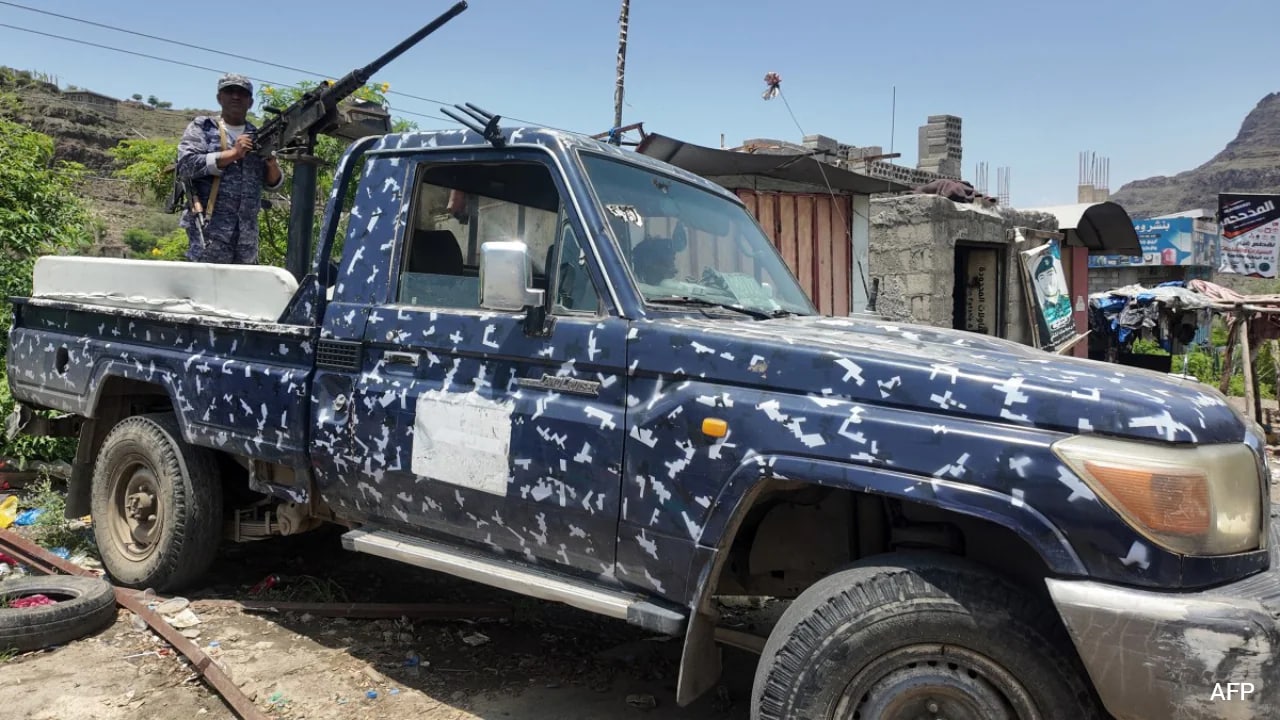
US and Saudi Forces Strike Iran-Backed Militia Targets in Eastern Iraq
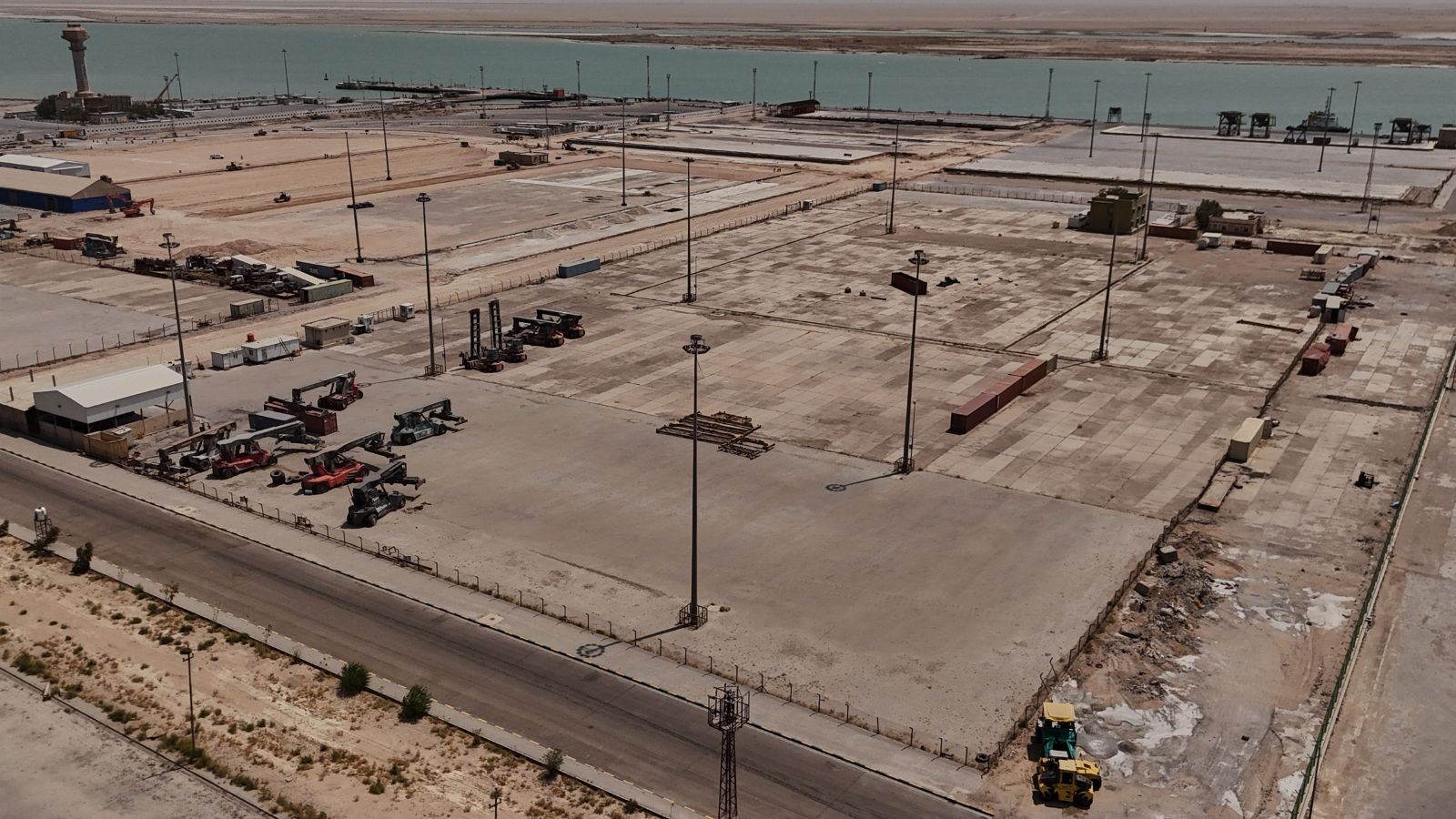
The United States Central Command (CENTCOM) announced that American and Saudi fighter aircraft conducted strikes on logistics and weapons sites used by Iran-backed militias across eastern Iraq. The operation came in response to more than 30 drone attacks launched by these groups over the previous 72 hours.
The joint strikes targeted facilities linked to Kata'ib Hezbollah and other Iranian-aligned factions, according to military officials. The Iraqi armed group's command in Nineveh province confirmed that eight of its members were killed and four others wounded in the attacks.
This escalation follows a series of recent incidents in the region, including an Iranian missile attack on Israeli territory and increased hostilities between Israel and Hamas in Gaza. The strikes mark a significant expansion of US military involvement in Iraq, where Washington has maintained a presence to advise and assist Iraqi forces in combating the Islamic State (ISIS).
The Iraqi government, which has sought to balance relations with both Iran and the United States, expressed concern over the violation of its sovereignty. A statement from the Prime Minister's office called for restraint and urged all parties to avoid further escalation on Iraqi soil.
Iran-backed militias, collectively known as the Islamic Resistance in Iraq, have claimed responsibility for numerous attacks on US forces in the region since the outbreak of the Israel-Hamas war in October 2023. These groups view themselves as part of a broader axis of resistance against Israel and the United States.
The US administration has repeatedly stated its commitment to protecting its personnel and interests in the region. CENTCOM officials said the strikes were defensive in nature and intended to degrade the ability of these militias to conduct future attacks.
Saudi Arabia's participation is notable as it underscores Riyadh's evolving security posture under Vision 2030. The kingdom has sought to reduce tensions with Iran through Chinese-brokered talks, but maintains its alliance with Washington on regional security matters.
Human rights groups have called for an independent investigation into the strikes, particularly regarding civilian casualties. The Iraqi military reported no civilian deaths, but local sources indicated that some residential areas near the targeted sites were damaged.
The situation remains volatile, with the potential for further retaliatory attacks. Analysts warn that the cycle of strikes and counter-strikes could draw the region into a wider conflict, especially as negotiations for a ceasefire in Gaza remain stalled.