US and Iran Trade Strikes as Ceasefire Collapses; Tensions Escalate in Gulf
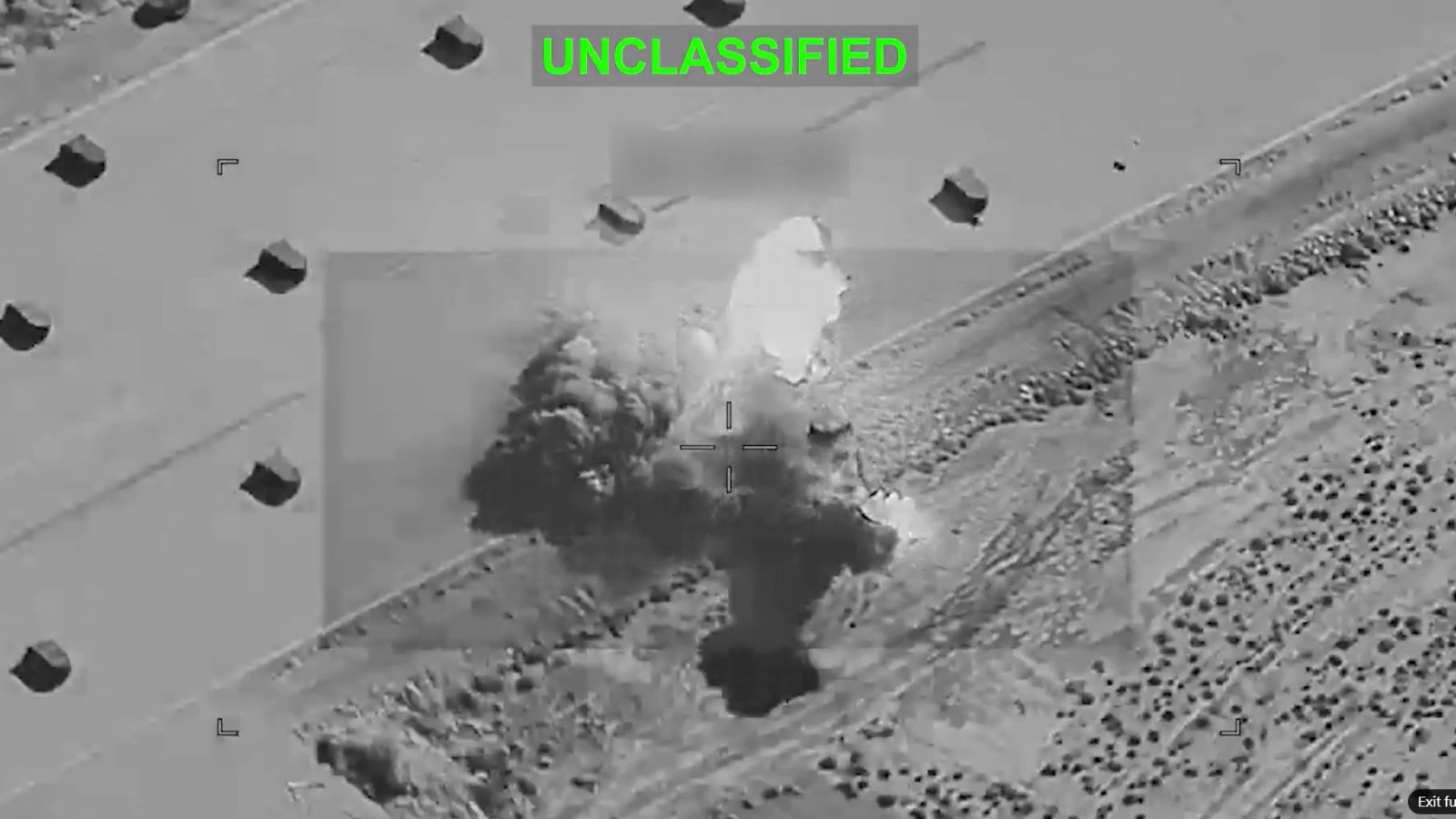
The United States carried out a new wave of airstrikes on Iran on Thursday, hours after President Donald Trump warned of escalation unless Tehran halted attacks on shipping in the Strait of Hormuz. Iran retaliated by striking targets linked to US allies Kuwait and Qatar, and accused Washington of bombing near its only civilian nuclear plant.
The exchange marks the most serious violation of the ceasefire signed on June 17, which had aimed to extend a pause in hostilities and pave the way for a permanent peace deal. The strikes occurred as Iran buried former supreme leader Ayatollah Ali Khamenei, and as Israeli defence minister Israel Katz warned that his country was ready to resume military action against Iran with greater force if necessary.
Iranian officials said US strikes reached the edges of the Bushehr nuclear power complex, along with a military base and a fishing pier in the surrounding province. Deputy governor Ehsan Jahanian reported no casualties there so far. Iran also said strikes damaged two bridges near Mashhad that serve as key trade links with China, calling the move a war crime.
The Pentagon said it struck roughly 90 targets across Iran, aimed at missile launchers and runways, with the goal of degrading Iran's ability to threaten shipping through the Strait of Hormuz—a corridor that carries about a fifth of the world's oil and gas.
Trump declared the ceasefire agreement “over,” citing Iranian strikes on three ships in the strait earlier in the week. After the US strikes, he posted footage of explosions and warned that if it happens again, “it will get much worse.”
Iranian officials pushed back firmly. Parliament speaker Mohammad Bagher Ghalibaf wrote that “America still hasn’t learned that bullying and breaking promises are no longer cost-free,” adding a blunt warning that any strike would be met in kind. Iran’s navy separately threatened a “crushing response” to further US action.
At least three people were killed in Iran’s Khuzestan province and a firefighter died in a strike on an airport in Iranshahr. Nine Iranian troops were reported killed a day earlier. Qatar’s prime minister, a key mediator, spoke with Iran’s foreign minister and condemned Tehran’s strikes on shipping, as regional powers scrambled to keep collapsing talks alive.
Oil prices spiked briefly on the news before easing once calm returned. Iran maintains that roughly half of prewar shipping traffic has resumed through Hormuz, though only via routes it designates—a key point of friction with Washington, which insists the strait must remain open to all commercial traffic without Iranian tolls. Talks toward a permanent deal had been expected to resume once Khamenei’s funeral rites concluded.
US Central Command later confirmed the scope of the strikes, stating that the operation targeted military infrastructure to prevent future attacks on commercial shipping. The situation remains volatile, with both sides showing no immediate signs of de-escalation.