US and Iran Step Back from Conflict, Return to Ceasefire Talks

The United States has paused its 13-night bombing campaign against Iran, and Tehran has announced it will halt retaliatory strikes on US bases if Washington does not launch new attacks. Both sides have acknowledged that messages are being exchanged through mediators to reconstitute a ceasefire.
The first ceasefire since the US and Israel launched their war on February 28 was announced on April 8. On June 17, Iran and the US signed a memorandum of understanding (MoU) pledging to respect each other's sovereignty and begin talks on Tehran's nuclear programme. However, within a month, fighting resumed. The US began bombing Iran over Tehran's control of the Strait of Hormuz, a vital international commercial chokepoint. Under the MoU, Iran was responsible for ensuring safe passage through the strait. Iran opened a coastal route for international shipping, while the US cleared an alternative route along Oman's coast, which Iran rejected. Tehran then attacked commercial vessels using the southern route, and the US responded with strikes aimed at degrading Iran's ability to threaten shipping.
Despite 13 nights of bombing, the US claimed to have targeted Iran's military infrastructure but failed to deter Iran's ability to enforce the blockade or stage counter-attacks. Iran struck US bases across the region while maintaining tight control of the strait. US President Donald Trump issued threats to bomb Iranian bridges and power plants and use Iran's frozen assets to compensate attacked tankers, but these did not deter Iran.
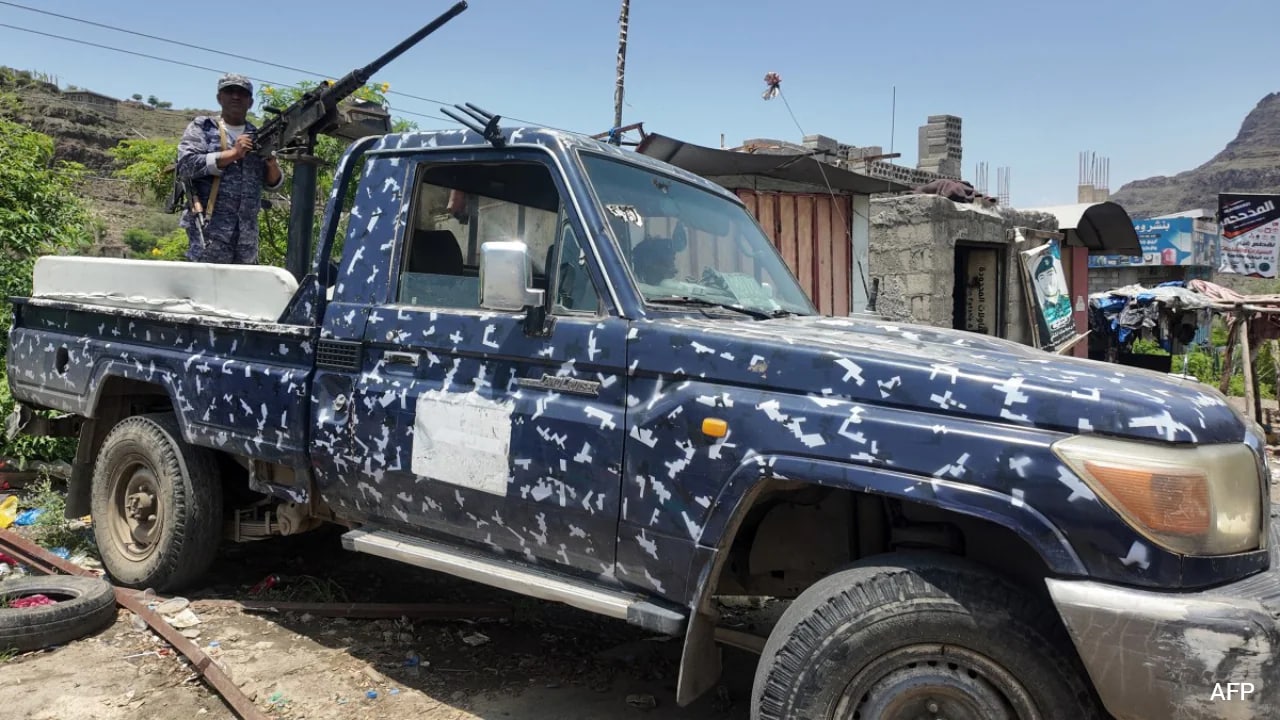
Complicating matters, the Houthi movement (Ansar Allah) enforced a blockade on Saudi Arabia, bombing Saudi oil facilities after Saudi air strikes on Yemen. Oil prices soared past $100 per barrel. Saudi Arabia, already impacted by the Strait of Hormuz closure, had shifted crude exports to Red Sea terminals, but the Houthi blockade posed further challenges.
According to US media reports, the US faced depletion of munitions and air defence missiles. Top generals warned against further escalation, and intelligence indicated that prolonged war would not soften Iran's position. Faced with few options, President Trump shelved plans for escalation and returned to diplomacy, bringing the situation back to the negotiating table.
Separately, the US and Saudi Arabia announced a civil nuclear agreement, with the US helping the kingdom develop its nuclear programme, including potential enrichment on Saudi soil. However, President Trump stated the deal was contingent on Saudi Arabia joining the Abraham Accords, casting uncertainty on the agreement.