UP Governor's seven-year tenure questioned: Maurya seeks probe
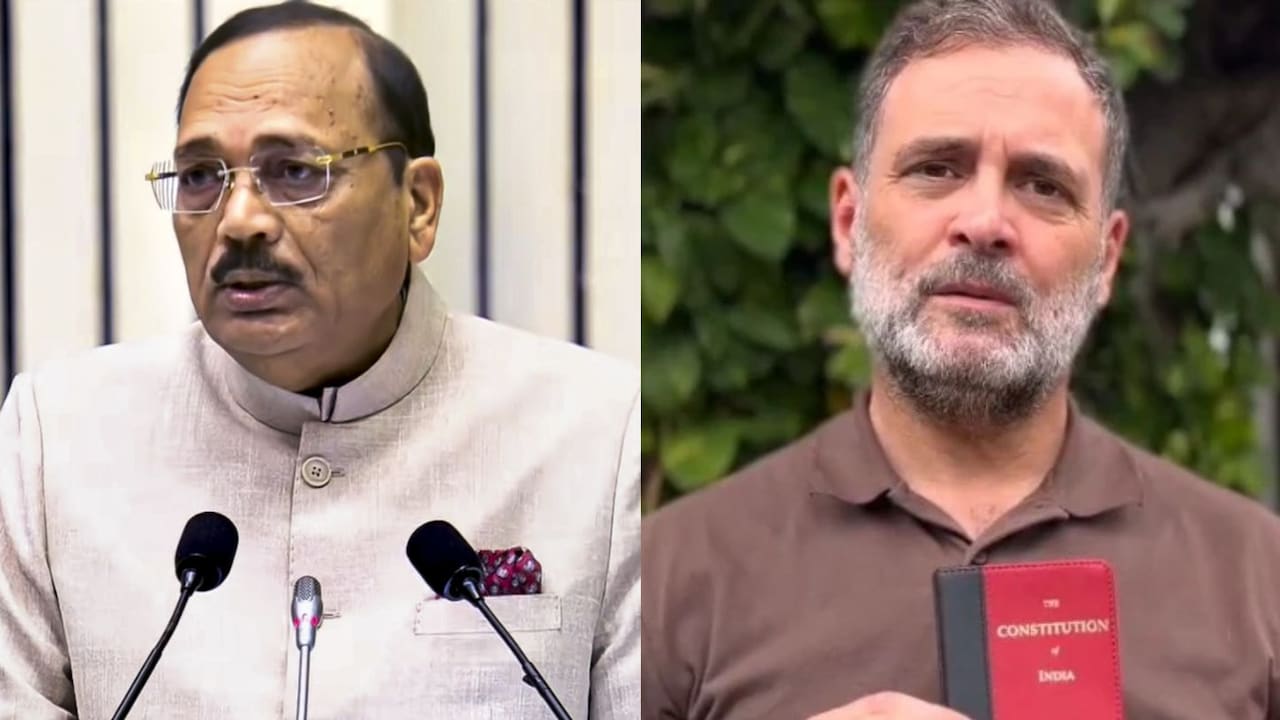
Apni Janta Party (AJP) chief and former Uttar Pradesh Minister Swami Prasad Maurya on Tuesday questioned the continuation of Governor Anandiben Patel in office for seven years, demanding an “impartial investigation” into her serving beyond the customary five-year term.
In a post on X, Mr. Maurya said, “If there was no clear order for extension or reappointment of the Governor after the five-year term ended, then this should be investigated impartially.” He did not elaborate on whether he had any specific evidence of procedural irregularities, but pressed for a formal review.
The Governor, who assumed office in July 2019, has completed over seven years in the role. Under the Constitution, a Governor holds office at the pleasure of the President and has no fixed tenure, though a five-year term is conventionally observed. Extensions or reappointments are not uncommon, and previous Governors have served longer in some states. However, Mr. Maurya's demand brings focus to the lack of a clear, publicly documented extension order in this case.
The AJP chief also criticised the Governor's decision to reappoint Soniya Nityanand as the Vice-Chancellor of King George's Medical University (KGMU). While there are no formal allegations against Ms. Nityanand, Mr. Maurya highlighted concerns raised by others. He said, “Despite the KGMU Vice-Chancellor being accused of corruption and ignoring reservation rules, her reappointment is also under question. The question is simple – when rules and the Constitution are not followed in appointments, how will the SC/ST/OBC community get equal representation and justice?”
These claims of corruption and reservation violations have been reported in some media outlets, but no official inquiry has been initiated against Ms. Nityanand by the state government or the university. Her reappointment was approved by the Governor in her capacity as Chancellor of the university, a role she holds automatically under the relevant state Act.
The Governor's office has not yet responded to Mr. Maurya's remarks. Political analysts note that such questions, while not unprecedented, are significant because they touch on the balance between constitutional conventions and executive discretion. The role of a Governor as the constitutional head of a state involves both ceremonial duties and discretionary powers, including appointment of vice-chancellors of state universities.
Mr. Maurya, a former minister in the Samajwadi Party government, has been an outspoken critic of the current administration. His party, AJP, has limited electoral presence but he remains a vocal figure in Uttar Pradesh politics, often raising issues related to social justice and governance.
The demand for an investigation into the Governor's tenure is likely to be seen as part of a broader political debate, especially with state elections due in the coming years. However, no formal complaint has been lodged with any authority so far, and it remains to be seen whether any investigation will be initiated.