Unregulated rat poison sales linked to poisoning deaths and mass attempt
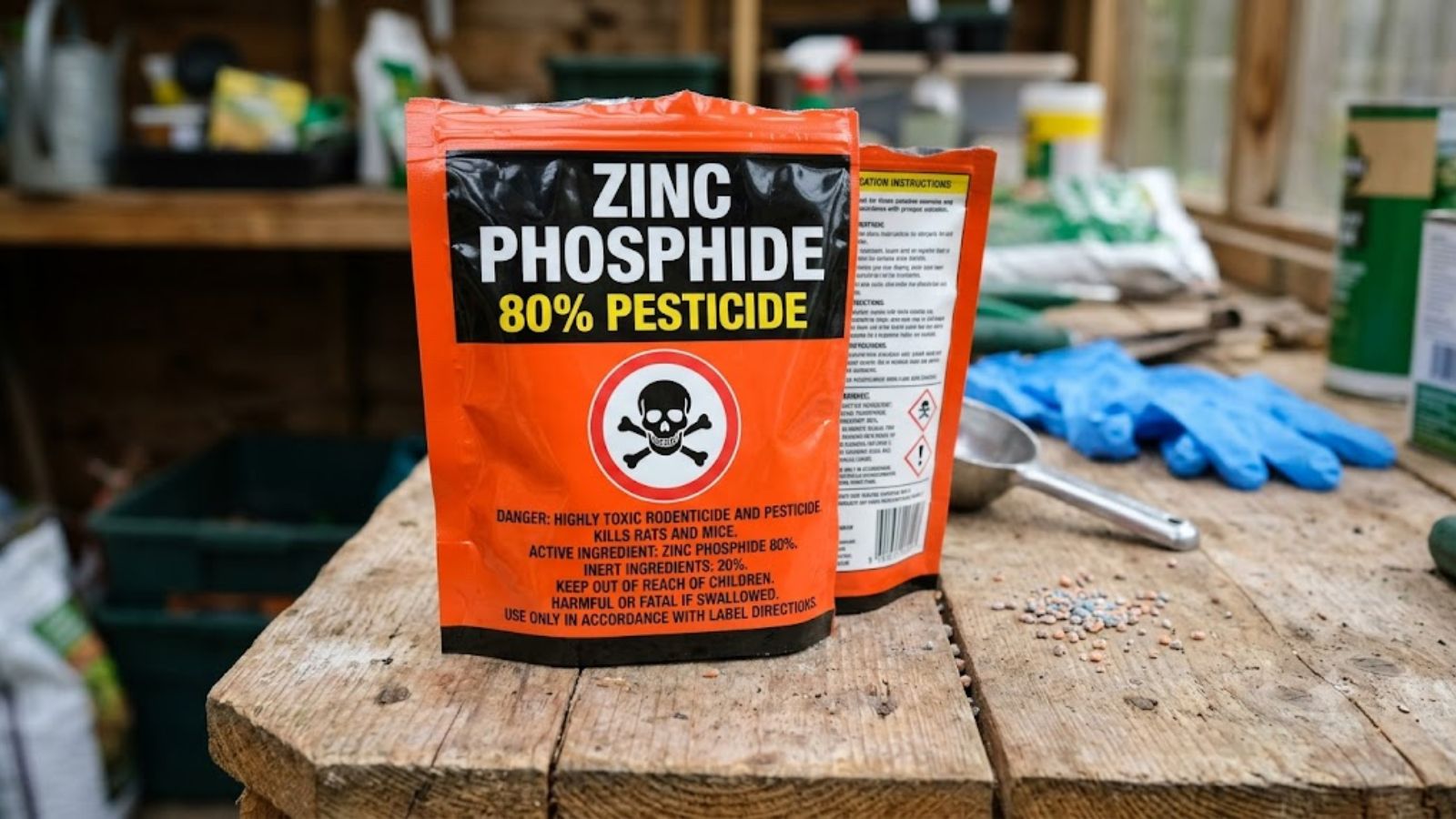
Zinc phosphide, a common rodenticide used as rat poison, has been linked to two alarming incidents in recent months: the mysterious deaths of four family members in south Mumbai and an alleged mass poisoning attempt during a Muharram procession. Law enforcement agencies are grappling with the easy availability and lack of regulation of this lethal chemical.
When ingested, zinc phosphide reacts with stomach acid to release phosphine gas, a potent poison that rapidly damages internal organs. Despite its toxicity, the chemical is readily available in stores and online, with little oversight. In the recent mass poisoning case, authorities allege that a 39-year-old man ordered nearly 50 kg of zinc phosphide online and distributed it in capsules during a religious procession.
The first incident involved the Dokadia family of south Mumbai, who died hours after consuming a watermelon on April 26. Forensic tests confirmed zinc phosphide poisoning, though how the chemical entered the fruit remains unclear.
Officials say neither the police nor the Food and Drug Administration regulates the supply of zinc phosphide. While it is listed under the Insecticides Act, 1968, as a regulated substance, enforcement is weak. The Act allows the government to prohibit sale if it poses a risk to humans or animals, but no such action has been taken.
A government official noted that pesticides like zinc phosphide fall under the Department of Agriculture and are overseen by the Central Insecticides Board and Registration Committee (CIB&RC). However, permission for stocking is handled by licensing inspectors. The official questioned whether online portals should be allowed to sell large quantities without checks, as some platforms are known to do.
Efforts to reach the State Agriculture Commissioner, Suraj Mandhare, for comment were unsuccessful. The incidents have reignited calls for stricter regulation of zinc phosphide to prevent further misuse.