Uniform Civil Code Debate Intensifies as BJP Governments Move to Table Bills in Assemblies
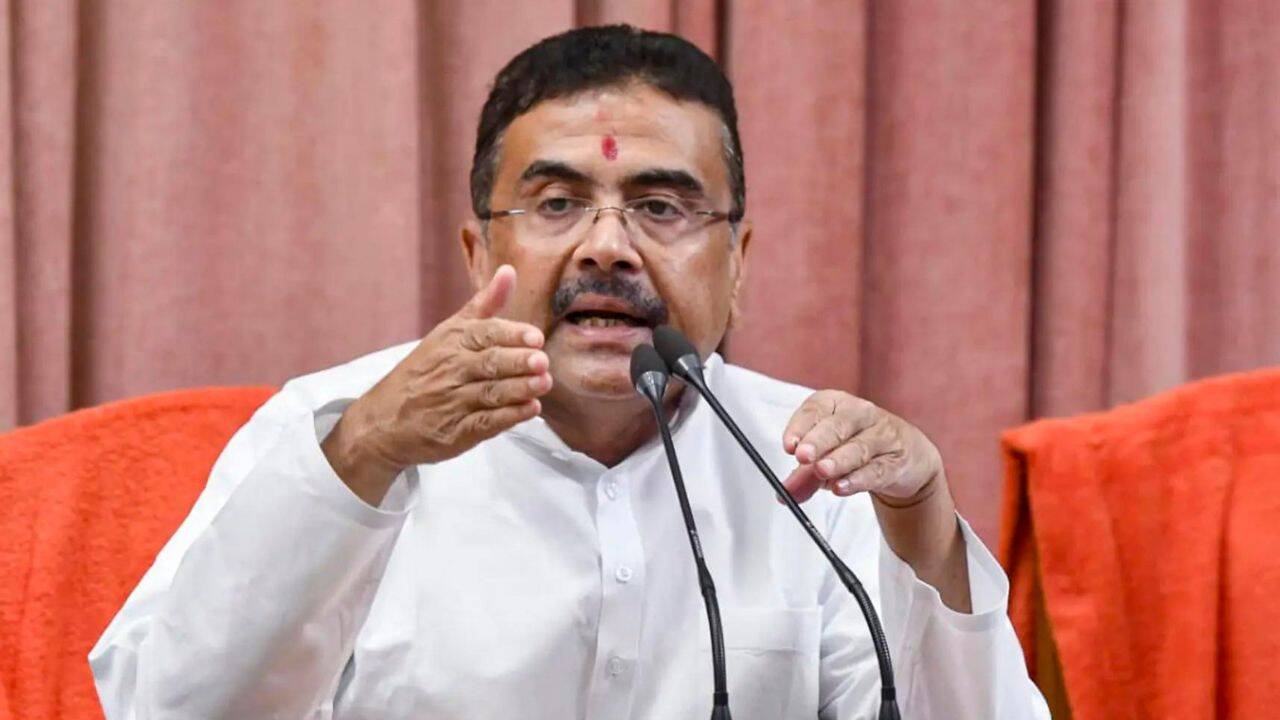
The debate over the Uniform Civil Code (UCC) has intensified across India as several states governed by the Bharatiya Janata Party (BJP) prepare to introduce bills in their respective legislative assemblies. This move has sparked a significant political and constitutional discussion, with proponents arguing for a uniform set of personal laws and opponents raising concerns about religious freedom and federalism.
The UCC, which aims to replace disparate personal laws based on religious scriptures and customs with a common set of rules governing marriage, divorce, inheritance, and adoption, is a long-standing promise in the BJP's manifesto. The party argues that it will promote national integration and gender justice. However, critics contend that it could impinge on the rights of religious minorities and violate the constitutional guarantee of freedom of religion under Article 25.
Several BJP-ruled states, including those in northern and western India, are reportedly in advanced stages of drafting UCC bills. The exact provisions of these proposed laws remain unclear, but they are expected to draw from existing models such as the Goa Civil Code, which applies uniformly to all residents regardless of religion. The central government has also expressed support for a nationwide UCC, though it has not introduced a bill in Parliament.
The opposition parties, including the Indian National Congress and regional outfits, have strongly criticized the state-level initiatives, calling them divisive and politically motivated. They argue that the UCC should be implemented only after extensive consultation with all stakeholders, including religious leaders and civil society groups. Some have also warned that the move could exacerbate communal tensions in a country already grappling with polarisation.
Constitutional experts have pointed out that while the Directive Principles of State Policy under Article 44 urge the state to endeavour to secure a UCC, it is not enforceable by law. The Supreme Court has also emphasised the need for a gradual and consensual approach. Any legislation on the subject would likely face legal challenges on grounds of violating the basic structure of the Constitution, particularly the right to religious freedom.
The issue has also taken on a federal dimension, with states asserting their legislative competence. Personal laws fall under the Concurrent List, allowing both the centre and states to legislate. However, a patchwork of state-level UCCs could lead to confusion and legal complexities, especially when citizens move across state borders.
As the BJP governments prepare to table the bills, the political battle is expected to intensify. The party hopes that the UCC will consolidate its support base among certain sections of society, while the opposition sees it as an opportunity to rally minority communities. The coming months are likely to witness heated debates in state assemblies and on the streets, with the final outcome hinging on judicial scrutiny and public opinion.