BJP Hits Out at Karnataka Govt Over Cauvery Water Release to Tamil Nadu

The opposition BJP in Karnataka has accused the state's Congress-led government of failing to protect farmers' interests by not presenting an effective case before the Cauvery Water Management Authority (CWMA). The CWMA has directed Karnataka to release 12,000 cusecs of water daily to Tamil Nadu for the next 15 days.
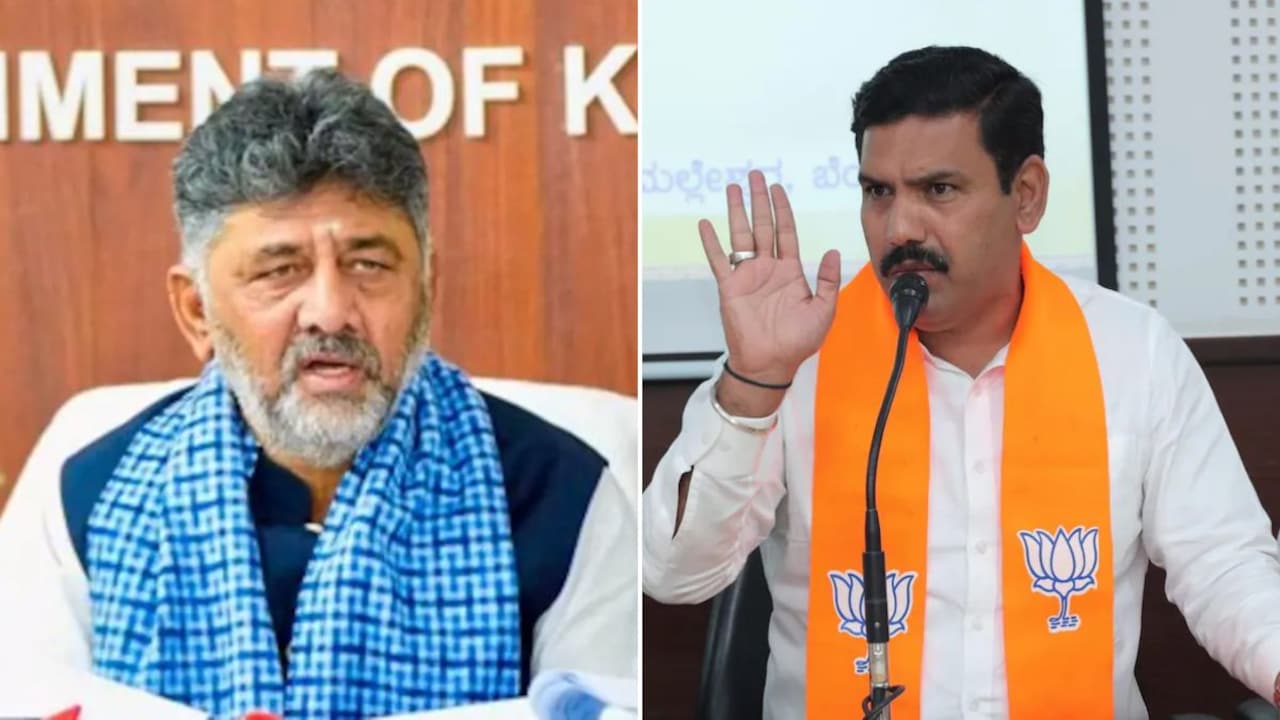
Leader of the Opposition R. Ashok took to social media to criticise the government, saying that it had "deceived" farmers by not arguing forcefully before the CWMA. He alleged that the release of water was done to "please the party high command and the alliance partner" in Tamil Nadu, referring to the Congress leadership and the Viduthalai Chiruthaigal Katchi (TVK) party.
The CWMA has upheld the directive of the Cauvery Water Regulation Committee, which had earlier ordered the release. This decision comes at a time when Karnataka's reservoirs are reportedly at low storage levels, causing distress among farmers in the state.
Mr. Ashok urged the government to immediately stop the release of water from Cauvery reservoirs to Tamil Nadu. He also demanded that the state government convene a meeting of irrigation and legal experts to plan further legal action in the Supreme Court to safeguard Karnataka's interests.
The Cauvery water-sharing dispute is one of the longest-running inter-state river conflicts in India. The river flows through Karnataka, Tamil Nadu, Kerala, and Puducherry, and the allocation of its waters has been a source of tension for decades. The CWMA was established in 2018, following the Supreme Court's final order, to supervise the implementation of the tribunal's award and subsequent directives.
Karnataka has often argued that its farmers require water for standing crops, particularly during the monsoon season. The state has previously cited inadequate rainfall and poor reservoir levels as reasons for its inability to release water. In this instance, the opposition claims that the government did not adequately present data on storage levels before the CWMA.
The current directive requires Karnataka to release 12,000 cusecs per day for a fortnight. The BJP's criticism highlights the politically sensitive nature of the issue in Karnataka, where water sharing often triggers strong reactions from farmers and political parties alike.
As of now, the state government has not issued an official response to the BJP's allegations. The opposition's demand to approach the Supreme Court suggests that the legal battle over Cauvery waters is far from over.
This development adds another layer to the complex river-sharing arrangement, with both states closely watching the actions of the CWMA and the central government. The Karnataka government faces the challenge of balancing its legal obligations with the expectations of its farming community and the opposition.