Ukrainian drone strikes hit two Russian oil refineries, casualties reported

Ukrainian drones struck two oil refineries in Russia early Sunday, causing a major fire at one facility and killing at least one person, according to Russian authorities. The attacks mark an escalation in Kyiv's strategy to target Russian energy infrastructure and reduce Moscow's revenue for its ongoing invasion of Ukraine.
The fire broke out at the Slaviansk refinery in the Krasnodar region, east of occupied Crimea, after debris from a downed drone ignited a blaze, said regional Governor Veniamin Kondratyev. The falling debris killed one person in the town of Sloviansk and wounded another in a nearby village.
The Slaviansk facility is one of southern Russia's largest refineries, processing nearly 4 million tonnes of crude annually, according to its operator. It supplies petroleum products for export through Russia's Black Sea ports, including fuel oil and naphtha.
Ukrainian President Volodymyr Zelenskyy claimed on Telegram that a second refinery in the Yaroslavl region, about 700 km from the Ukrainian border, was also hit during the overnight strikes. Russian authorities did not immediately confirm the attack, but local Governor Mikhail Evraev reported that roads between Moscow and the regional capital were temporarily closed due to an “enemy attack by Ukrainian drones”. Yaroslavl's airport was also briefly shut down, along with others in southern and western Russia, according to the country's civil aviation agency.
Ukraine has intensified long-range drone strikes on Russian military industries and energy facilities in recent months, aiming to cut off funding for the Kremlin's war effort, now in its fifth year. The campaign has strained fuel supplies inside Russia and disrupted military logistics, according to Western analysts.
The attacks have also targeted supply routes to Crimea, the Black Sea peninsula illegally annexed by Russia in 2014. Last week, Kremlin-installed officials in Crimea suspended gasoline sales to civilians after strikes triggered the region's worst energy crisis since annexation.
In response, Russian Deputy Prime Minister Alexander Novak said Moscow is reviewing fuel export agreements to ensure domestic needs are met. “There is no ban on intergovernmental agreements at the moment. In each instance, we work with the partners to assess the current situation and requirements,” he told reporters.
Fuel restrictions are also spreading within Russia. In the Irkutsk region in Siberia, Governor Igor Kobzev announced that drivers would be limited to buying 50 litres of fuel per vehicle per day at state-run Rosneft stations. Similar limits are being considered in the Tomsk region.
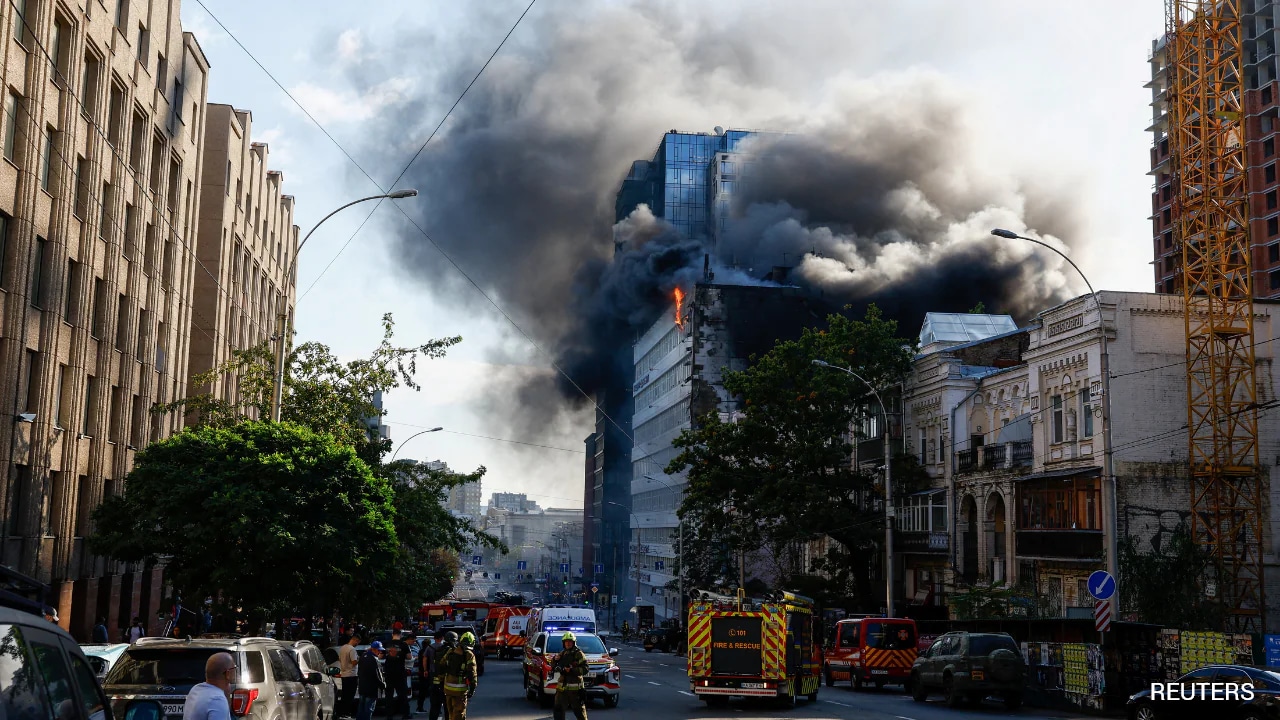
Photos and videos on Russian social media showed thick smoke over the Slaviansk refinery, though the Associated Press could not independently verify the footage. The drone strikes represent a continued Ukrainian effort to bring the war home to Russians and pressure the Kremlin into negotiations.