Turmeric Lead Scare: Study Clears Farms, Points to Post-Harvest Processing
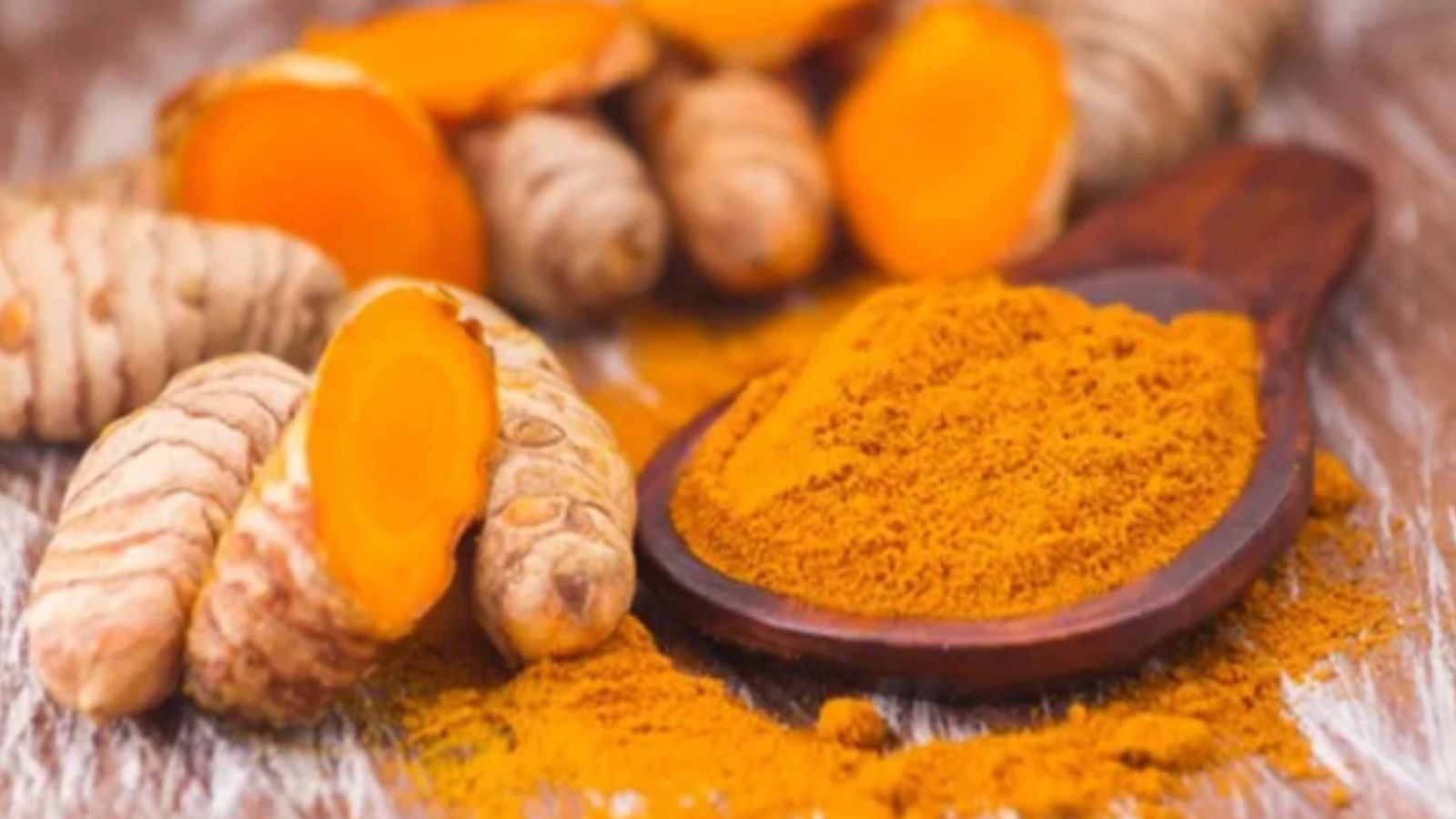
Turmeric, a ubiquitous spice in Indian kitchens and traditional medicine, has faced scrutiny after multiple studies detected lead in commercially sold turmeric powder. A new study by environmental research organisation Toxics Link offers reassurance for farmers but raises fresh concerns about food processing and regulatory oversight.
The study found that raw turmeric collected directly from farms across six Indian states contained lead levels well within India's prescribed safety limits—below the Food Safety and Standards Authority of India (FSSAI) limit of 10 mg/kg. This suggests that contamination is more likely to occur after harvest, during processing, handling, packaging, or deliberate adulteration, rather than during cultivation. Researchers call for stronger monitoring, improved supply chain traceability, and stricter enforcement to prevent contaminated turmeric from reaching consumers.
What the study found
The study analysed 13 raw turmeric rhizome samples from farms in Maharashtra, Telangana, Tamil Nadu, Odisha, Karnataka, and Madhya Pradesh. Samples were tested at an NABL-accredited laboratory using a sensitive method for detecting heavy metals. Lead concentrations ranged from below the limit of quantification to 1.87 mg/kg, significantly lower than the FSSAI's maximum permissible limit of 10 mg/kg. The findings reinforce evidence that raw turmeric is not heavily contaminated. Previous studies have linked elevated lead levels in market samples to the illegal addition of lead chromate, a yellow industrial pigment used to enhance colour and commercial appeal.
Health risks remain a major concern
While the study offers reassurance at the farm level, it underscores serious health consequences if contaminated products enter the food supply. “Lead is a potent neurotoxin that affects nearly every organ, with children and pregnant women facing the greatest risks. There is no known safe level of lead exposure for children,” says Dr Vivek Jain, Senior Director & Unit Head, Paediatrics, Fortis Hospital, Shalimar Bagh, Delhi.
In adults, chronic low-level exposure can affect the nervous system, kidneys, and cardiovascular health. It may contribute to fatigue, headaches, memory issues, irritability, and digestive disturbances. “Long-term accumulation of lead increases the risk of hypertension and kidney dysfunction. Since symptoms are often non-specific, exposure may go unrecognised. It is important for adults to be vigilant about the quality and sourcing of food products, especially spices used daily,” advises Dr Jain. Choosing reputable brands, maintaining a nutrient-rich diet, and seeking medical evaluation if exposure is suspected can help reduce risks.
Childhood exposure can impair brain development, reduce IQ, cause learning disabilities, behavioural disorders, and shorten attention span. “Many effects occur silently, making chronic exposure particularly dangerous. In severe cases, lead poisoning can result in seizures, coma, and even death,” says Dr Jain.
Need for stronger regulation
The findings place greater responsibility on regulators and the food processing industry to identify where contamination occurs after turmeric leaves the farm. Although all samples complied with FSSAI standards, researchers argue that surveillance should extend beyond cultivation to processing, packaging, and distribution. Satish Sinha, associate director of Toxics Link, emphasised the need for robust monitoring at every stage of the supply chain to protect consumer health.