Trump's Cabinet on Decoy Plane During President's Quiet Exit
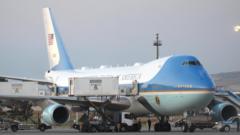
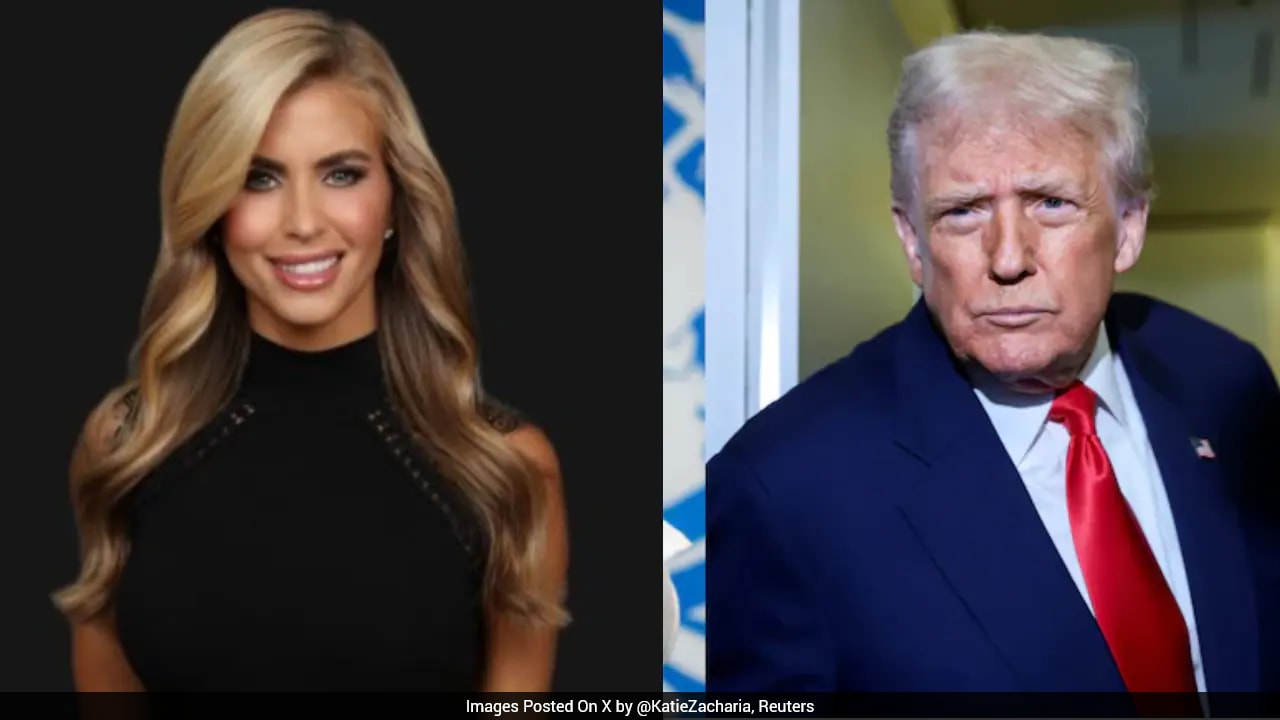
In a security operation that kept cabinet members and the press in the dark, President Donald Trump made a quiet exit from a trip to Ankara, Turkey, while his cabinet secretaries and other officials remained aboard a decoy plane. The move was part of what the Secret Service calls a "shell game" – a common tactic to obscure the president's whereabouts.
The decoy aircraft, which carried Secretary of State Marco Rubio, Treasury Secretary Scott Bessent, other staff, and the White House press pool, was indistinguishable from the actual Air Force One. However, the extent of knowledge among those aboard remains unclear. Members of the press have said they were not aware that they were on a decoy flight, and it is uncertain whether cabinet officials or Air Force personnel were informed of the operation.
Such ruses are routine in presidential travel. Identical versions of the president's heavily armoured limousine often switch positions in motorcades to thwart potential attackers. Similarly, helicopters used to transport the president often change plans at the last minute. These measures are designed to reduce predictability and protect the president from threats.
More elaborate operations, like the use of decoy aircraft, are typically reserved for high-risk trips abroad. In such cases, reporters travelling with the president are usually briefed about the security arrangements and asked not to report the movements in real-time. This allows journalists to fulfill their duty of documenting the president's activities while maintaining security.
In this instance, however, the press was not informed. The White House Correspondent's Association (WHCA) has not issued a public statement about the incident. But WHCA president Jacqui Heinrich has revealed that she met with Trump administration officials to discuss the matter. In an internal memo to the press corps, Heinrich said she "advocated strongly for the importance of maintaining independent press coverage of the president and an accurate historical record of his movements." She also requested that the White House develop a protocol for handling extraordinary security circumstances in the future.
This is not the first time a decoy plane has been used. In March 2000, then-President Bill Clinton flew to Islamabad, Pakistan, on an unmarked executive jet that landed after a decoy aircraft bearing the markings of Air Force One. The White House had informed USA Today reporter Susan Page, then head of the White House Correspondent's Association, about the security measures in advance.
"They told me about the extraordinary security procedures being taken because of the dangers flying there, including the use of the decoy plane," Page revealed this week. "Of course, the dangers threatened the journalists covering the trip as well as President Clinton," she said in an interview with the Washington Post.
The lessons from the Clinton-era operation highlight the importance of keeping the press informed, especially when they are part of the travelling party. In the current incident, it is still unclear what, if any, danger the occupants of the decoy plane faced during the Ankara trip. The White House has not explained why the decoy was used or why the press was not told.
The incident raises questions about transparency and the balance between security and the public's right to know. Journalists covering the president play a crucial role in maintaining an accurate historical record. When they are unwittingly part of a security operation, it can undermine their ability to report independently and inform the public.
As Heinrich emphasised, the importance of maintaining independent press coverage cannot be overstated. The White House's willingness to work with the WHCA on a future protocol will be key to ensuring that such operations are conducted without compromising the principles of a free press.