Trump Says No Deal Yet on Ukraine Building Patriot Missiles, Talks Continue
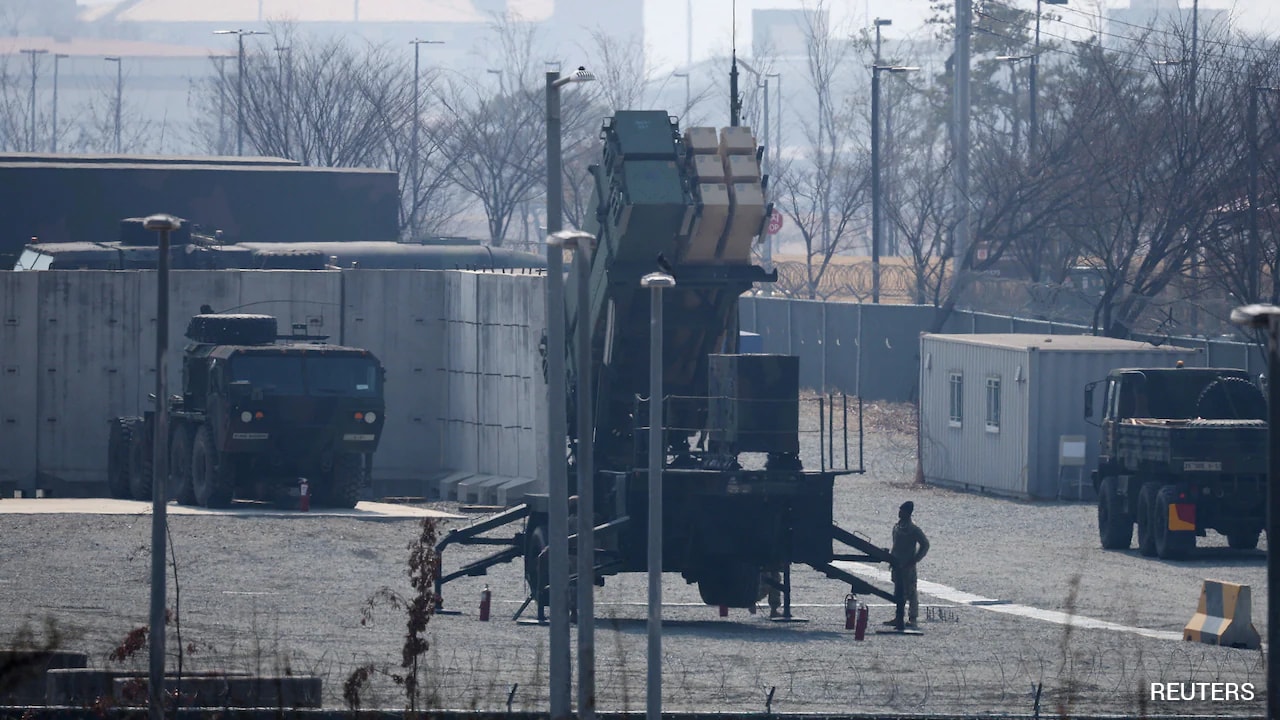
President Donald Trump said on Friday that the United States has not agreed to allow Ukraine to manufacture Patriot missile interceptors, but that discussions are ongoing. Speaking at a cabinet meeting at Camp David, Trump stressed the need for caution when sharing advanced weaponry technology.
“It’s a big step,” Trump said, noting that Ukraine has requested both Patriot missiles and Tomahawk cruise missiles. “You have to be very judicious, but you have to be very careful. Now we have not agreed to that. We’re talking about it, but it’s a hard thing to give away that kind of technology.”
The president also raised the risk of sharing sensitive military technology. “I don’t think this would ever happen, but, you know, there’s people that you give that technology, they can someday turn on you,” he said.
The remarks mark a retreat from an earlier pledge. During a meeting with Ukrainian President Volodymyr Zelenskiy in Turkey this month, Trump reportedly said he would grant Ukraine a licence to manufacture Patriot interceptor missiles to help defend against Russian air strikes. However, he has since softened that commitment, even after hosting Zelenskiy at the White House this week.
Ukraine has long sought a co-production agreement for the Patriot PAC-3 missiles, which are the only weapon in its arsenal capable of shooting down ballistic missiles. As Russia has intensified its aerial attacks, Ukraine’s supply of Patriot interceptors has run critically low.
Ukrainian officials have been meeting with Pentagon officials and industry executives to firm up details of a potential co-production deal. Ukrainian Ambassador to the US Olha Stefanishyna said on Thursday she is confident that Lockheed Martin, the manufacturer of the PAC-3 missiles, is fully committed to deepening cooperation with Ukraine. Lockheed executives met with Zelenskiy on Tuesday and plan to send a team to Ukraine soon, she added.
The exact status of the negotiations remains unclear. The Trump administration has not publicly outlined the conditions under which it might approve a transfer of manufacturing technology. Any such agreement would likely require a review of security risks, as well as congressional notification.
The issue is part of a broader debate in Washington over the level of support the US should provide to Ukraine in its war with Russia. While some lawmakers have urged the administration to do more, others have questioned the long-term consequences of sharing advanced US defence capabilities.
For Kyiv, the ability to produce Patriots domestically would reduce its dependence on foreign aid and ensure a steady supply of interceptors. But any deal faces significant hurdles, including the protection of classified missile guidance technology and the capacity of Ukrainian industry to set up complex manufacturing lines.
As talks continue, both sides are weighing the strategic benefits against the risks of technology transfer. The coming weeks may reveal whether the US will commit to the arrangement or continue to provide Patriots from its own stockpiles.