Trump Rejects Any Tolls on Strait of Hormuz Shipping; Says Iran Talks Are Going Well
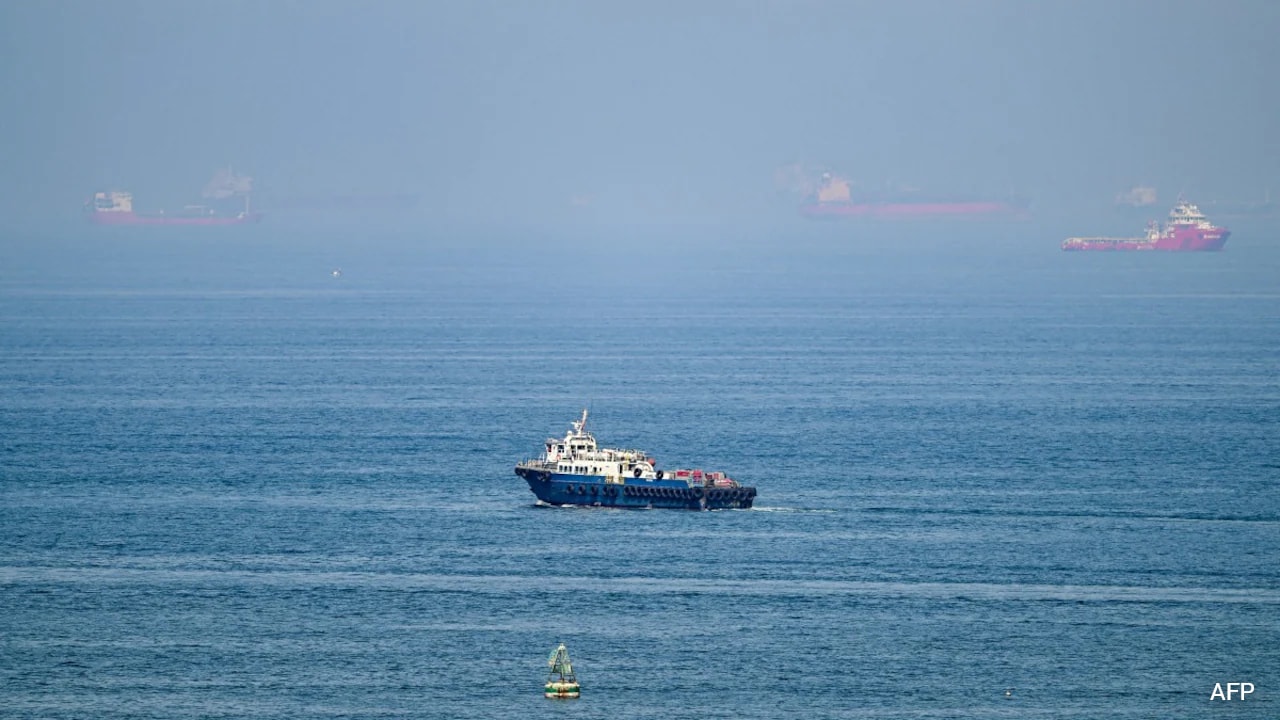
United States President Donald Trump stated on Wednesday that any agreement with Iran that includes fees on shipping through the Strait of Hormuz would be 'unacceptable'. Speaking to reporters during a meeting with NATO Secretary General Mark Rutte, Trump said that allowing such fees would set a precedent for other straits around the world.
Trump's remarks come amid ongoing negotiations between the US and Iran, which have seen heightened tensions in the region. The Strait of Hormuz is a critical chokepoint for global oil shipments, and any disruption to shipping there could have significant economic consequences.
When asked if he would block a final Iran deal that includes shipping fees, Trump replied, 'Yeah, it would be unacceptable to me because we have numerous straits that if you did that for them you'd have to do it for other people. You have other straits, well I wouldn't allow it there either. Yeah, it would be a game changer.'
Trump also claimed that negotiations with Iran were progressing favourably, stating, 'The war is going very well. As you know, we're winning by a lot. Iran is making very big concessions.' He noted that oil prices had fallen to near $70 a barrel, the lowest level since the conflict began, and attributed this to his administration's policies.
In a separate exchange, Trump criticised Democratic lawmakers, calling them 'DUMocrats' and accusing them of wanting to 'lose the war'. He said, 'We had four Republican Senators and all Democrats. You know Democrats they want to lose the war because they're stupid.'
Meanwhile, Esmaeil Baqaei, spokesperson for Iran's Ministry of Foreign Affairs, responded to a US Department of State post on social media. He stated, 'No one will be fooled; we can't have a peaceful region so long as American militarism and interventionism persist, and their occupying proxy continues, with absolute impunity, to inflict endless wars across the region and perpetrate genocide, terror violence and every atrocities.'
These developments underscore the ongoing diplomatic standoff between the two nations, with both sides expressing divergent views on the path to peace in the region.