Hormuz talks positive, but Iran says reopening depends on US conditions
Oman said on Saturday that talks with Iran over securing a shipping route through the Strait of Hormuz were progressing positively, even as Tehran cautioned that any agreement would not lead to an immediate reopening of the vital waterway.
Both countries indicated that discussions were moving forward, but no timeline for a final deal has been set. Oman’s foreign ministry also warned against attacks on shipping that could hamper the talks.
Iranian Foreign Minister Abbas Araghchi said the negotiations were in their final stages, but the reopening of the strait remained “subject to other conditions.” He did not specify these in detail, but mentioned that Iran expects compensation from the United States for what Tehran describes as violations of the memorandum of understanding (MoU) signed in June.
The MoU, which was intended to end hostilities and advance peace talks, quickly collapsed when mutual attacks resumed within days of its signing. The failure of the agreement highlighted the fragility of diplomatic efforts in the region.
The Strait of Hormuz, a narrow waterway between Iran and Oman, is a critical chokepoint for global energy trade. At its narrowest, the strait is just 33 kilometres wide, making it vulnerable to disruption. Around one-fifth of the world’s oil and natural gas passes through it daily. The strait has been effectively blockaded by Iran since the United States and Israel began military operations against the country in February, disrupting supply chains and raising concerns about energy security.
The blockade has forced many shipping companies to reroute their vessels, adding transit time and increasing costs. It has also raised concerns about the security of maritime trade in the region.
Recent negotiations have focused on the possibility of a new route through the strait, with Iran and Oman sharing responsibility for its security. Officials hope that such an arrangement would help resume normal shipping traffic while addressing Iran’s security concerns.
Araghchi said a full reopening of the route depended on additional conditions being met. Apart from compensation, he cited the need for the United States to alter its behaviour. He provided only a brief assessment of these conditions, but indicated that Tehran is seeking guarantees on several fronts.
Iran’s security chief, Mohammad Baqer Zolqadr, was more explicit. In an interview with the semi-official Tasnim news agency, he said the strait would not reopen until the US “corrects” its stance. He listed six demands: a halt to threats against Iran, removal of the US naval blockade of Iranian ports, release of Iran’s frozen assets, and other unspecified actions.
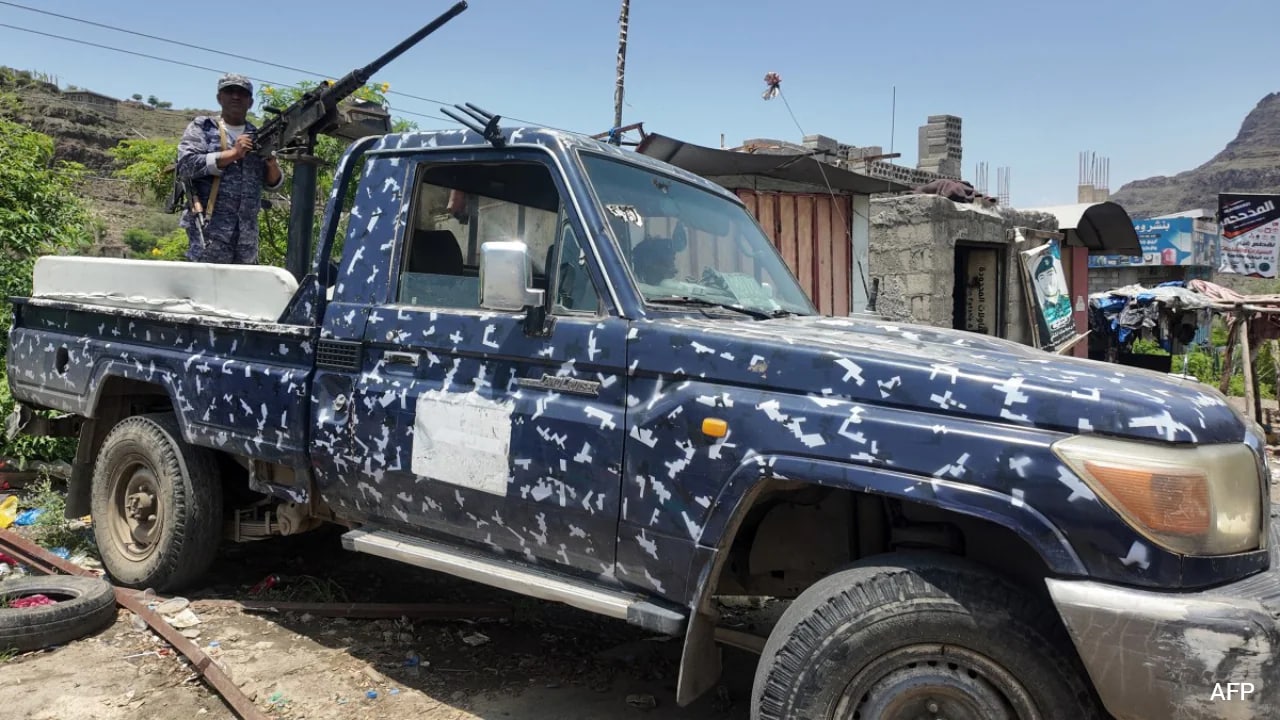
In a related development, Yemen’s Iran-backed Houthi rebels have imposed a blockade on Saudi Arabian ports in the Red Sea since 20 July, further complicating the regional maritime situation. These blockades are part of a broader pattern of maritime insecurity, affecting both the Persian Gulf and the Red Sea.
The talks between Iran and Oman are being closely watched, as Oman has historically mediated in regional disputes. The two countries share the strait, and a cooperative agreement could ease tensions. However, the conditions set by Tehran indicate that broader US-Iran issues remain unresolved.
The international community is monitoring the situation, given the strait’s critical role in energy security. Without a clear timeline for reopening, shipping companies may continue to face uncertainty in the region. It remains to be seen whether the current diplomatic efforts will lead to a resumption of normal traffic through the strait.