Russian Spy Ring in Japan: How Tokyo Became a Hub for Tech Smuggling

Since Western nations expelled hundreds of Russian intelligence officers and imposed sanctions following Russia's invasion of Ukraine in February 2022, many of those operatives have reportedly relocated to Japan, according to current and former officials from five Western intelligence agencies. These officials, speaking on condition of anonymity due to security protocols, say that Russia's military intelligence unit, known as the 20th Directorate, has established a covert operation in Tokyo to acquire and smuggle battlefield technology.
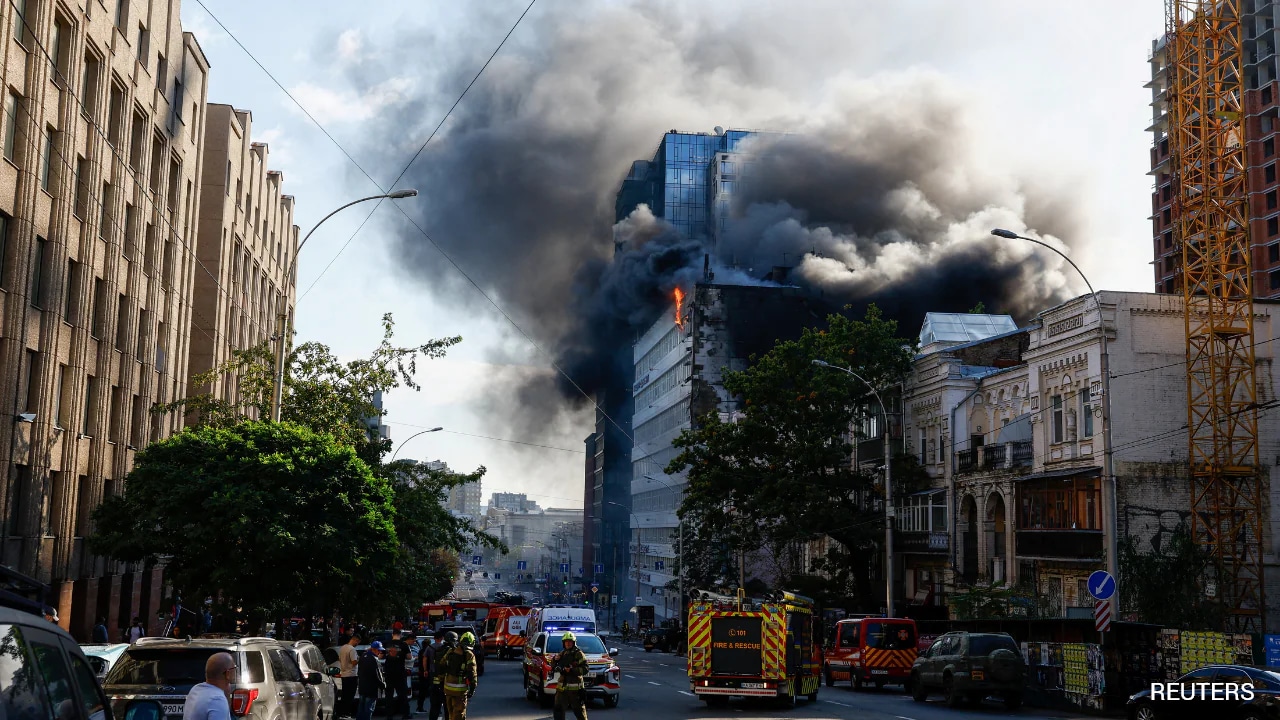
Japan's weak espionage laws and its advanced technology sector have made it an attractive base for Russian intelligence activities. Ukrainian government estimates indicate that 90% of Russian missiles and drones contain components manufactured in Japan, despite export bans imposed by Tokyo and its allies. A Ukrainian assessment after a Russian Kh-101 cruise missile struck a residential building in Kyiv in May, killing at least 24 people, found that the missile was guided by Japanese components that were restricted from export.
The 20th Directorate's Tokyo station is overseen by an individual who maintains a cover identity as an employee of Russian state airline Aeroflot, according to officials from four intelligence agencies. The unit's officers often pose as diplomats or businesspeople to buy or steal sensitive technology. This operation has played a critical role in sustaining Russia's war effort, as the country continues to rely on foreign components for its weapons systems.
Japan has historically been considered a favorable environment for espionage due to post-World War II restrictions that limit its intelligence capabilities. The country lacks a dedicated foreign intelligence agency, and its counterintelligence laws are relatively lenient. Japanese lawmakers, including Akihisa Shiozaki of the governing Liberal Democratic Party, have acknowledged a 'sense of crisis' and are working to remove decades-old restrictions on intelligence gathering. However, the government has been slow to act on evidence provided by Ukraine that its technology is being used in Russian attacks. The Japanese Ministry of Foreign Affairs did not respond to detailed questions but stated that it has worked with Western allies to ban the export of military-related items to Russia.
The convergence of Japan's technological prowess and legal gaps has created significant challenges for global efforts to restrict Russia's access to critical components. As the war in Ukraine continues, the role of Japanese technology in Russian weapons underscores the complexities of enforcing international sanctions and the enduring threat of espionage in a globalized economy.