Trump Orders Navy to Revert to Steam Catapults on Future Carrier
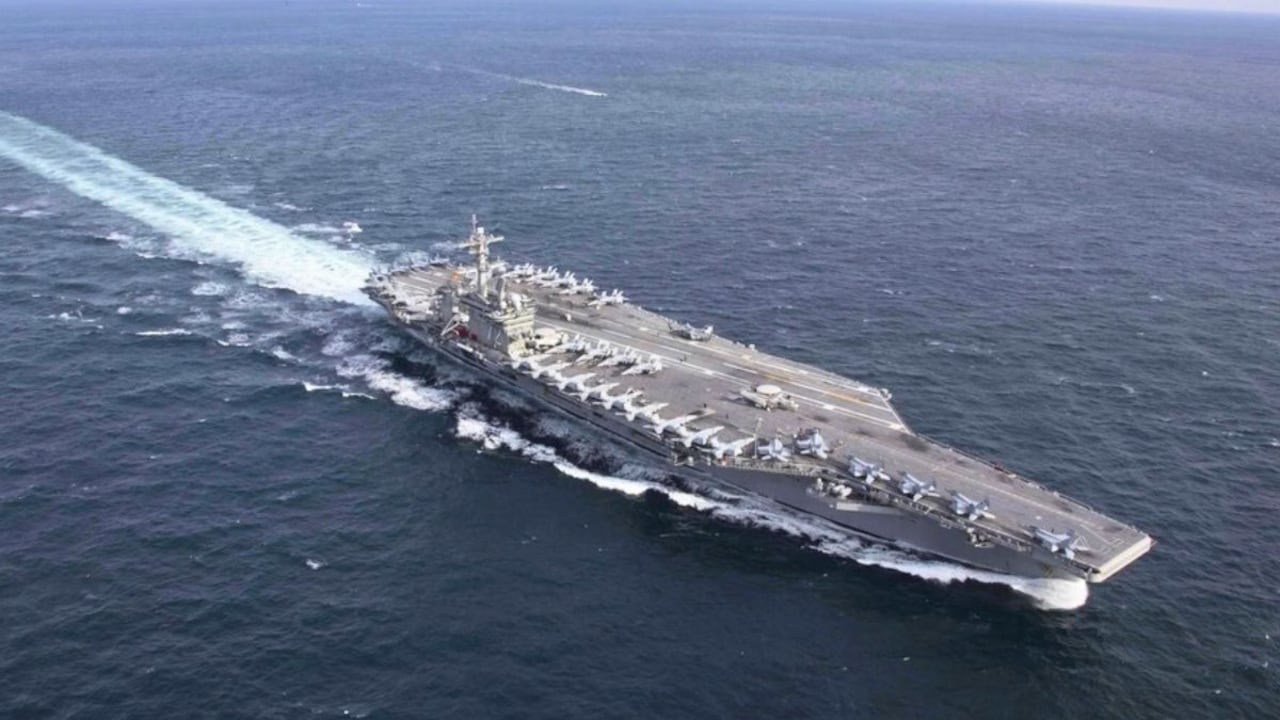
President Donald Trump has directed the U.S. Navy to remove the advanced electromagnetic catapult system from its newest class of aircraft carriers and return to older steam-based technology, according to a directive issued on Thursday. The memo, sent to the Pentagon and the Navy, requires officials to present a plan within two months for removing the Electromagnetic Aircraft Launch System (EMALS) from the Ford-class carriers, specifically ahead of the construction of the USS Doris Miller.
The directive also calls for replacing the electromagnetic weapons elevators on the carrier with conventional systems. This decision, if implemented, would likely cost billions of dollars and reverse a key modernisation effort on the Navy's most technologically advanced ships. The older steam catapults require larger crews and are considered more difficult to maintain, according to defence analysts.
Trump's opposition to EMALS dates back to his first term. In a 2017 interview with Time magazine, he called the system "not good" and said it "doesn't have the power" of steam catapults. He reportedly told the Navy, "You're going to goddamned steam." The topic has since surfaced repeatedly at rallies and public events.
Proponents of EMALS point to several advantages: it launches aircraft at higher speeds, requires fewer sailors to operate, and occupies less space aboard the ship. On the USS Gerald R. Ford, the system reduced the number of sailors needed to run the catapults from about a dozen to just two. The Navy itself touted these benefits in a February press release, noting that the Ford-class carrier could launch and recover aircraft at a faster rate than the older Nimitz-class vessels.
However, Trump's memo argues that constant design changes have contributed to cost growth, delays, and cancellations in the Navy's shipbuilding programme. The directive specifically names the USS Doris Miller, the fourth ship in the Ford class, as the first vessel to incorporate the older steam system. The USS Gerald R. Ford, the USS John F. Kennedy, and the USS Enterprise will remain with EMALS.
General Atomics, the company that manufactures EMALS, said the decision "warrants careful reconsideration." In a statement to The Associated Press, the company noted that work on the Doris Miller's catapults and arresting gear was already half complete. "Changing course now would introduce significant cost, schedule, and integration risks," the company said.
Defence experts also caution that redesigning a ship already in the final stages of construction is a complex and costly undertaking. The move comes as the U.S. military faces broader funding challenges. Congress is currently weighing budget bills needed to support defense priorities, including a proposed $1.5 trillion defence budget pushed by the Trump administration. The administration has also sought supplemental funding for ongoing military operations, with Defence Secretary Pete Hegseth estimating the cost of the Iran war at $37.5 billion last month. Hegseth described the additional war funding as "urgent and necessary."
The decision also intersects with Navy recruitment difficulties. Despite improved recruiting numbers in the past year, the Navy began this year with about 20,000 unfilled positions across the fleet. Reverting to a steam system, which requires more sailors to operate, could further strain manpower resources.
Notably, other navies are moving in the opposite direction. China's newest aircraft carriers use electromagnetic catapults, and France has announced plans to adopt the technology for its future carrier. This has led some defence observers to question whether the rollback could put the U.S. Navy at a technological disadvantage in the long term.
Congress will have the final say on funding for the changes. The House has narrowly adopted budget measures, but the Senate has yet to act. The timeline for implementation, and the full financial impact, remain unclear.