Trump calls for end to Senate filibuster amid 30-day government shutdown
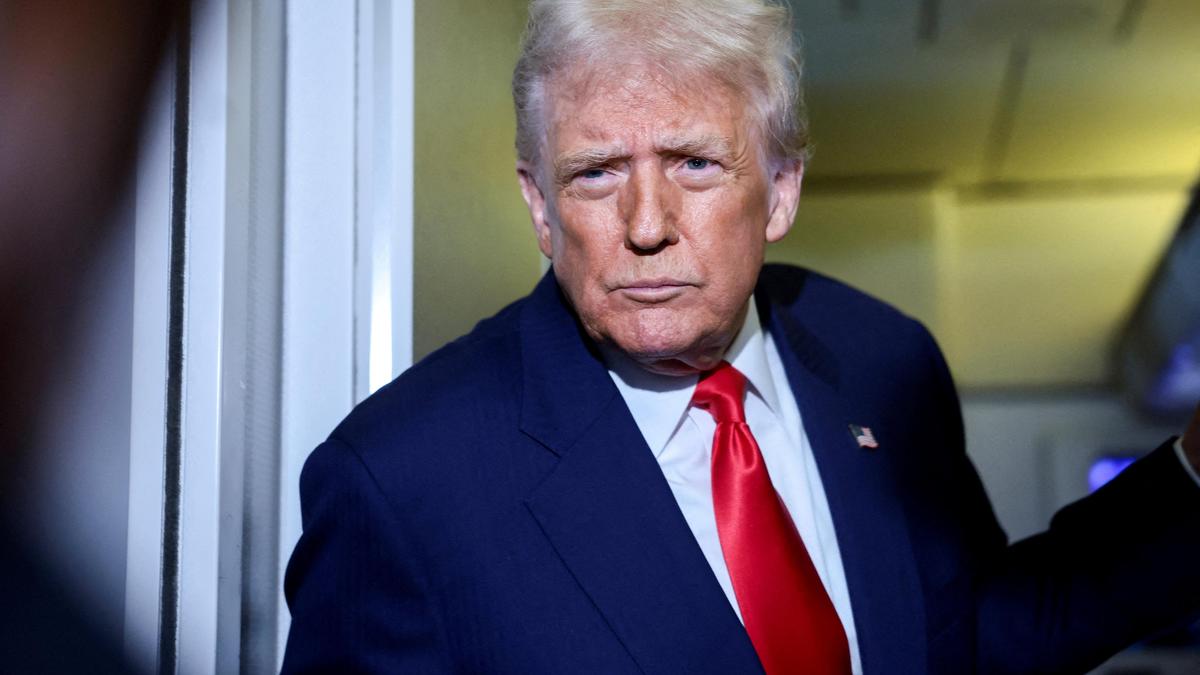
Washington, D.C. – U.S. President Donald Trump on Thursday called for the elimination of the Senate's filibuster rule, a procedural mechanism that requires 60 votes to advance most legislation, as the partial government shutdown entered its 30th day. The move, often referred to as the “nuclear option,” would allow the Republican majority to pass bills with a simple 51-vote threshold.
The Senate currently has 53 Republicans and 47 Democrats, giving Republicans a narrow majority but falling short of the 60-vote supermajority needed to overcome filibusters. In the House of Representatives, Republicans hold a 219-213 majority, which permits them to pass legislation with a simple majority.
“It is now time for the Republicans to play their 'TRUMP CARD,' and go for what is called the Nuclear Option — Get rid of the Filibuster, and get rid of it, NOW,” Mr. Trump wrote on social media, urging his party to bypass Democratic opposition during the ongoing shutdown.
The filibuster has long been a point of contention in American politics. Supporters argue that it encourages bipartisanship and protects minority rights, while critics contend that it obstructs legislative progress and enables gridlock. Eliminating the rule would be a significant change to Senate procedures, with potential long-term consequences for how laws are passed.
The shutdown, which began on October 1, has halted funding for numerous federal agencies and services. Thousands of federal workers have been furloughed or are working without pay, and essential services have been disrupted. On Wednesday, the nonpartisan Congressional Budget Office (CBO) estimated that the shutdown could cost the U.S. economy between $7 billion and $14 billion, potentially shaving up to 2% from the gross domestic product in the fourth quarter.
The CBO's assessment underscores the economic toll of the prolonged impasse. Analysts warn that the impact could deepen if the shutdown continues, affecting consumer confidence, government contractors, and public services. The shutdown has also heightened political tensions in Washington, with both parties trading blame over the failure to reach a funding agreement.
Mr. Trump's call to eliminate the filibuster comes as his administration seeks to break the legislative deadlock. However, such a move would require the support of all 53 Republican senators, and it remains unclear whether the party is united behind the proposal. Some Republicans have historically defended the filibuster, citing its role in fostering deliberation and consensus.
The term “nuclear option” was first used in 2005 when Republican leaders threatened to change Senate rules to confirm judicial nominees. It was invoked in 2013 by Democrats to allow a simple majority vote for most presidential nominees, and again in 2017 by Republicans for Supreme Court nominees. Extending the change to legislation would mark a historic shift in the Senate's operations.
As the shutdown continues, pressure is mounting on lawmakers to find a resolution. The White House and congressional leaders have held multiple negotiations, but no breakthrough has been reported. Democrats have called for reopening the government while discussions proceed, while Republicans have linked funding to border security measures, a point of contention.
The economic consequences of the shutdown are becoming increasingly evident. The CBO's estimate highlights the financial strain on businesses that rely on federal contracts, as well as on federal employees who have missed paychecks. The longer the shutdown lasts, the greater the potential damage to the economy and public trust in government.
Observers note that Mr. Trump's push to end the filibuster adds another layer of complexity to an already volatile political climate. Whether the Senate will heed his call remains to be seen, but the debate over the filibuster reflects deeper divisions over how the U.S. government should function.