Tribunal Reforms Bill Gets Nod, Set for Lok Sabha Introduction
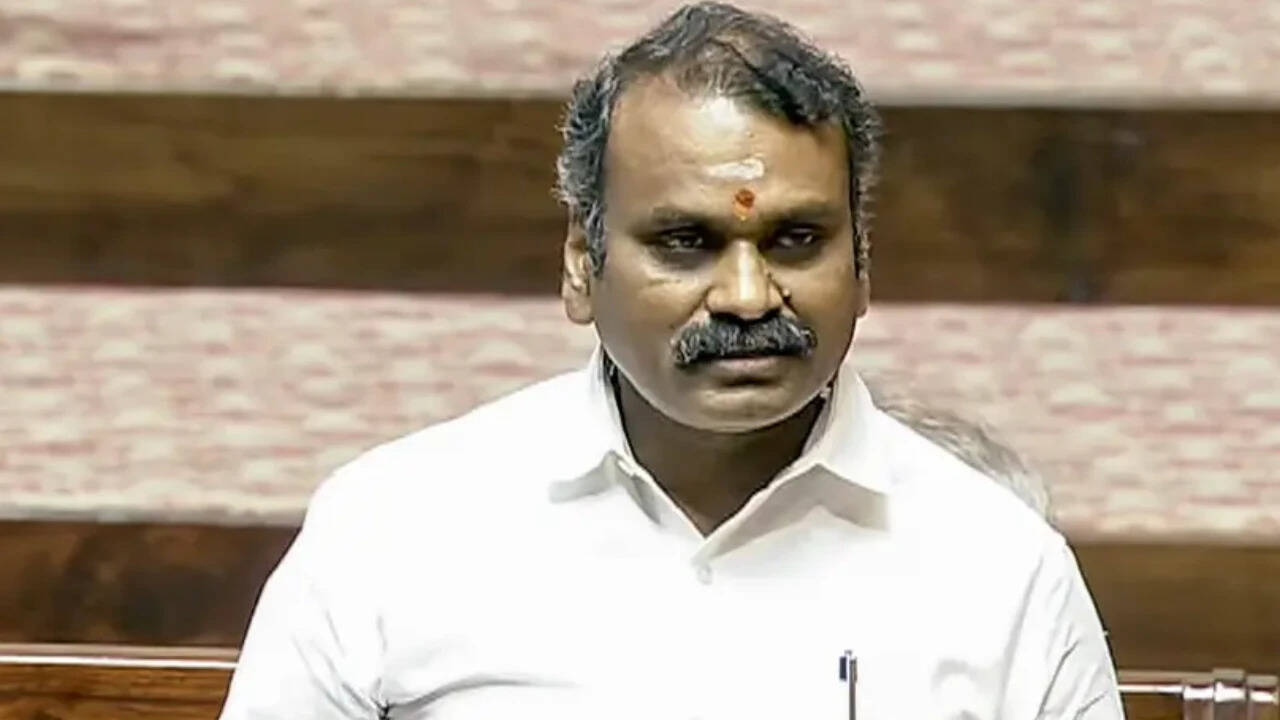
New Delhi: The Union government has approved the Tribunal Reforms Bill, which will now be introduced in the Lok Sabha, Minister of State for Parliamentary Affairs L Murugan informed the Rajya Sabha on Friday. The bill is expected to pave the way for a unified national body to oversee the functioning of tribunals across the country.
In a brief statement, Murugan said the bill would be taken up for introduction in the Lower House of Parliament. The development follows the government's earlier efforts to rationalize the tribunal system, which has faced criticism for delays and inconsistency in appointments and functioning.
The proposed legislation aims to bring about comprehensive reforms in the tribunal system. At present, various tribunals operate under different ministries with varying service conditions and procedural rules. The bill seeks to streamline these by establishing a national body that would lay down uniform guidelines for appointments, tenures, and working methods of tribunal members.
Among the key reforms, the bill is likely to provide for the merger or abolition of certain tribunals that have overlapping functions, thereby reducing redundancy and improving efficiency. It also proposes to fix timelines for disposal of cases, which is a major concern for litigants who often face prolonged legal battles.
The move has been seen as part of the government's broader initiative to reduce the burden on traditional courts and enhance access to justice. Tribunals were originally conceived as specialised bodies to handle disputes in specific areas such as taxation, consumer affairs, and administrative matters. However, over time, their proliferation led to questions about accountability and uniformity.
Legal experts have welcomed the reform, noting that a single national body could bring more coherence to the functioning of tribunals. However, some have expressed caution over the potential concentration of power in the executive, stressing the need for judicial independence in appointments.
The bill, once introduced, will be debated in Parliament and is expected to undergo scrutiny by a parliamentary committee. Following its passage in both Houses and the President's assent, it will become law. The government has indicated that it is prioritising this legislation in the upcoming sessions.
Observers note that the timing of the bill's introduction is significant, as the government has been pushing for faster dispute resolution mechanisms. The proposed national body could also help in standardising the process of selection and removal of tribunal members, which has been a contentious issue in recent years.
While the exact provisions of the bill have not been made public yet, the Minister's statement confirms that the Cabinet has given its nod. Further details are expected when the bill is tabled in the Lok Sabha.