Trade Talks Wrap: India Seeks Labour Export Boost, US Pushes for Agriculture Access
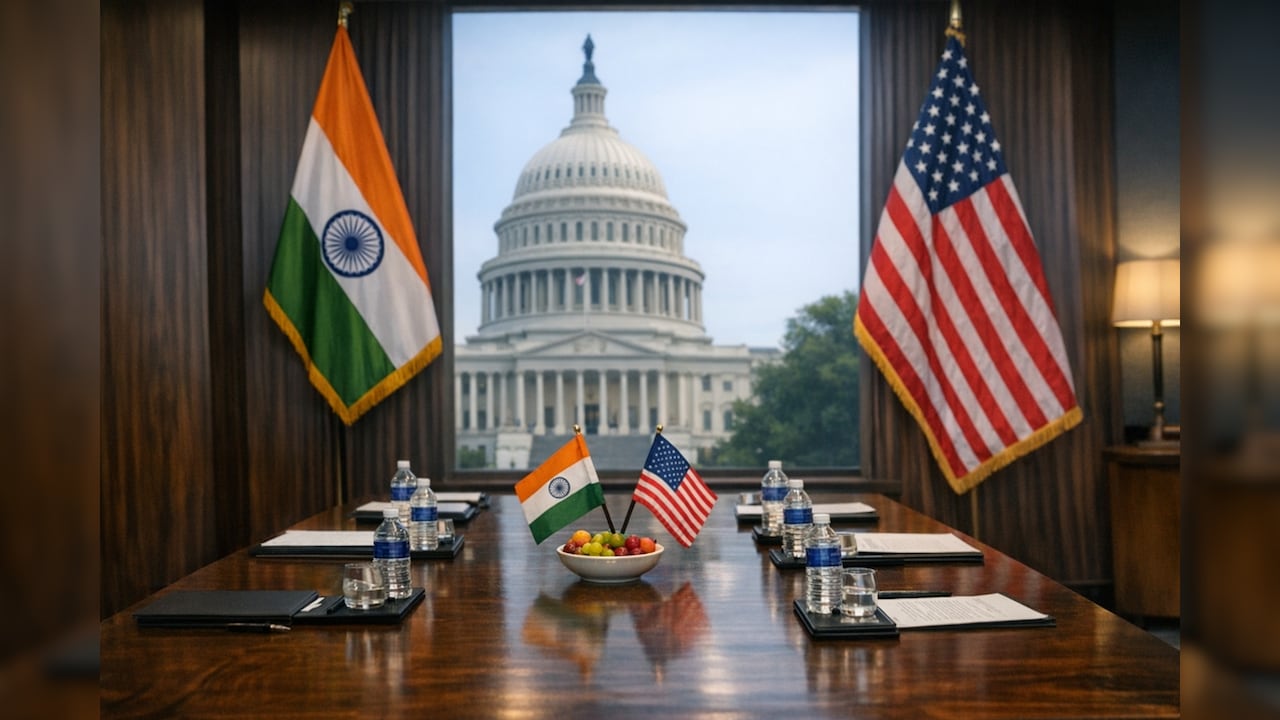
Trade negotiations between India and the United States concluded after two days of high-level discussions in New Delhi, with both sides signalling their core priorities. Indian Commerce and Industry Minister Piyush Goyal indicated that the talks were productive but that significant work remains to bridge differences on market access.
India has pressed for greater access for its labour-intensive exports, including textiles, leather, and IT services, which are key to generating employment and supporting economic growth. The United States, meanwhile, has focused on widening access for its agricultural products, such as dairy, poultry, and almonds, which have faced tariff and non-tariff barriers in the Indian market.
The negotiations are part of a broader effort to finalise a limited trade deal that could pave the way for a more comprehensive agreement. Both sides have expressed optimism about reaching a pact that is mutually beneficial, but sticking points remain over issues like intellectual property rights, data localization, and tariff structures.
Minister Goyal characterised the talks as “candid and constructive,” noting that technical teams would continue to work on resolving outstanding issues. He said the next round of discussions is expected to take place in Washington, though no date has been set.
Trade experts observe that a deal would require compromises from both sides. For India, allowing greater agricultural imports may face domestic political resistance, especially from farmers. For the US, granting easier access for Indian labour-intensive goods could meet opposition from its own manufacturing sectors.
The two countries have been working to boost bilateral trade, which stood at about $190 billion in 2023. A successful trade deal is seen as important for strengthening economic ties and countering China's influence in the region. However, negotiators caution that the process is complex and that a final agreement is unlikely before the US presidential elections later this year.
Industry bodies on both sides have welcomed the progress, but stress the need for a balanced outcome that protects the interests of workers and businesses. The next few weeks will be crucial as technical teams attempt to narrow their differences.