Three Oil Tankers Targeted in Strait of Hormuz, No Casualties Reported
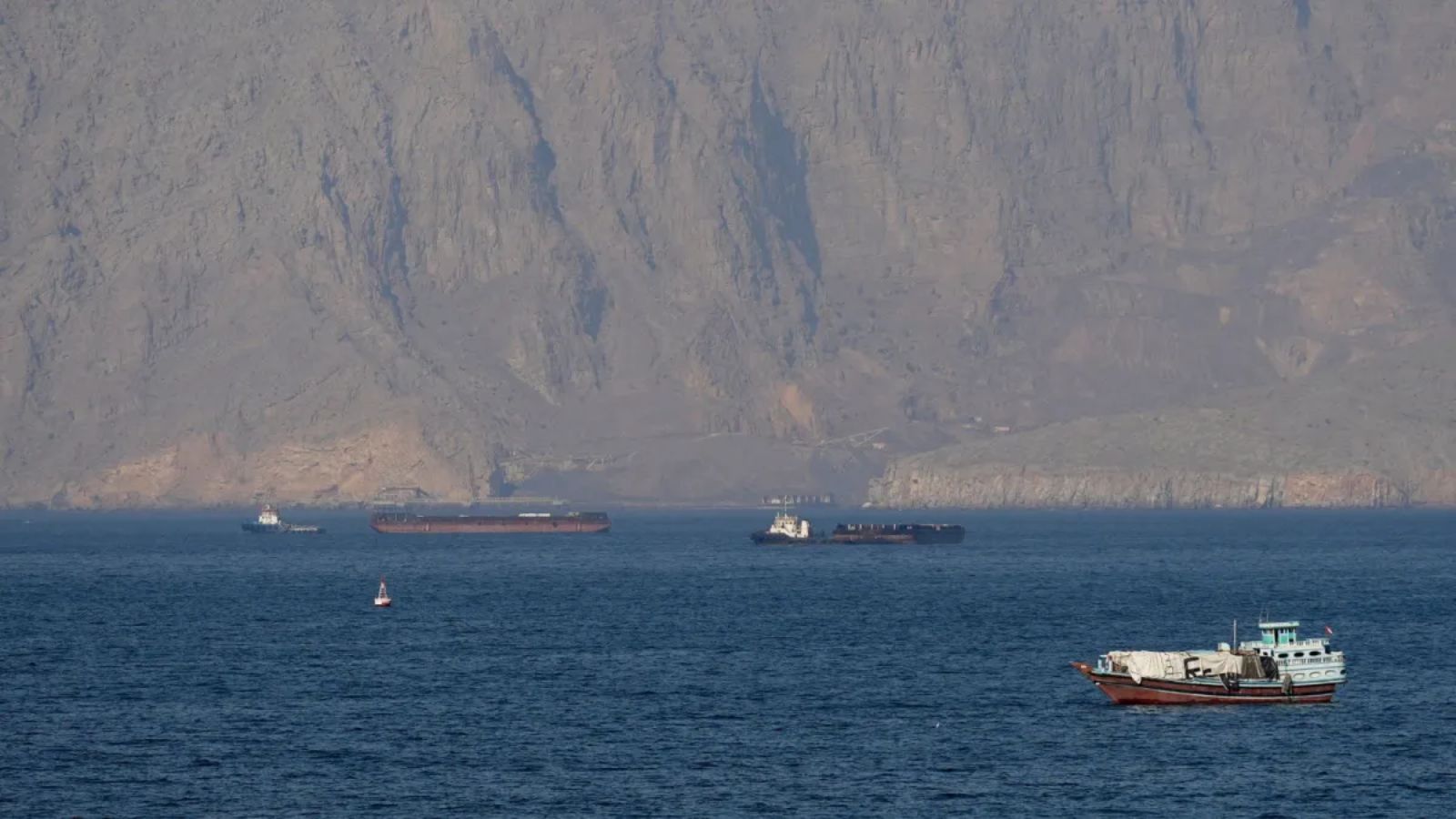
The Strait of Hormuz, a vital waterway through which roughly one-fifth of the world's traded crude oil and liquefied natural gas passes, witnessed a series of incidents on Tuesday when three commercial tankers came under attack. The events have raised concerns about the security of this strategic maritime chokepoint, but no casualties were reported.
The United Kingdom Maritime Trade Operations (UKMTO) reported that two tankers were struck earlier in the day in separate incidents. One vessel, sailing near the Omani coast, caught fire after being hit, while another suffered structural damage. Later, a third tanker was hit by a drone while transiting the waterway. The UKMTO stated that the third vessel sustained only limited damage, its crew remained unharmed, and it was able to continue its journey.
British maritime authorities confirmed that the attacks involved projectiles and a drone. The exact nature of the projectiles was not disclosed. No group has claimed responsibility for the attacks, and investigations are ongoing.
The Strait of Hormuz, located between Iran and Oman, is a critical passage for global energy supplies. Any disruption to shipping there can have significant economic implications worldwide. In recent years, the region has experienced periodic tensions, with past incidents involving attacks on tankers and seizures of vessels. However, the latest events mark a notable increase in the number of ships targeted in a single day.
International maritime agencies have advised vessels transiting the area to exercise caution. The UKMTO urged ships to report any suspicious activity. The affected tankers have been identified, but their flags and ownership details have not been publicly released pending further investigations.
Analysts suggest that the attacks could heighten existing geopolitical strains in the region. However, without confirmed attribution, it is too early to determine the broader implications. The incidents underscore the ongoing risks faced by commercial shipping in one of the world's most strategically important waterways.