The Hidden Cost: Gulf Slowdown Puts India’s $138 Billion Remittance Flow in Jeopardy
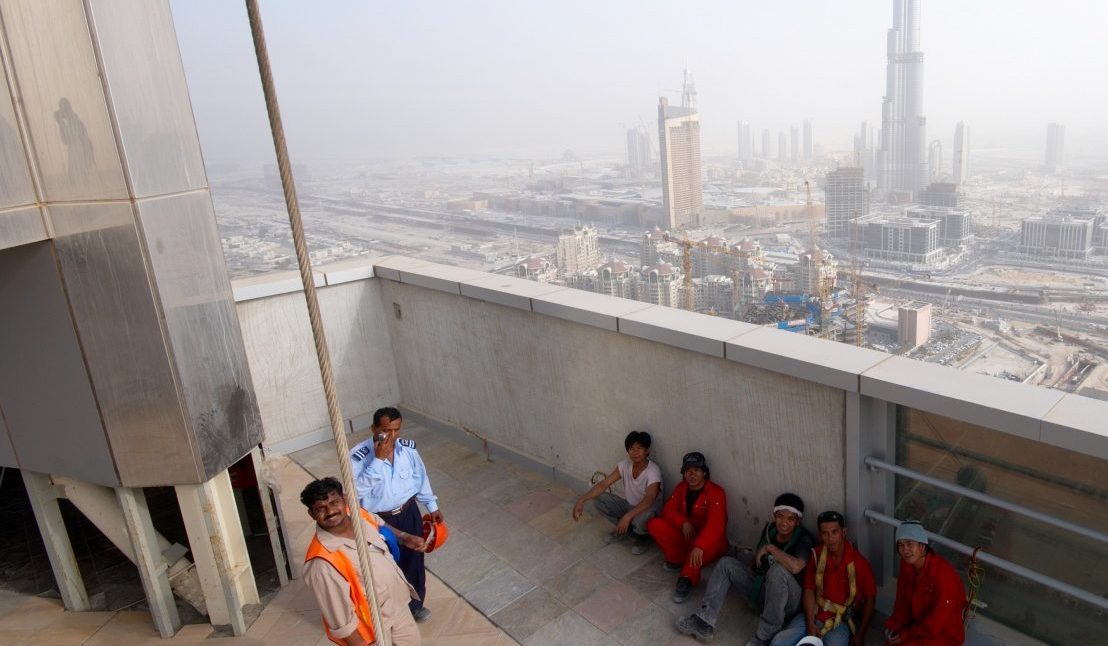
International migration is a defining feature of the Indian economy, with approximately 35.4 million Indians living and working abroad. The Gulf Cooperation Council (GCC) countries host around 8.9 million of them, making the region the most significant destination for the overseas Indian population.
India remains the world's largest recipient of remittances, receiving an estimated $135–138 billion in inward remittances in 2024–25, a 14 per cent increase over the previous year. These remittances constitute more than 3 per cent of India's GDP, finance roughly half of its merchandise trade deficit, and contribute to foreign exchange reserves.
At the household level, remittances are a lifeline for millions of families across states such as Kerala, Uttar Pradesh, Bihar, Tamil Nadu, Telangana, and Punjab. They fund consumption, housing, education, and healthcare, often providing intergenerational upward mobility and reducing poverty. In India's incomplete welfare state, remittances act as informal social insurance, compensating for limited formal welfare mechanisms.
However, this dependence creates vulnerability. The World Bank's Macro Poverty Outlook projects a slowdown in GCC real GDP growth to 1.3 per cent in 2026, a sharp downgrade from the earlier 4.4 per cent forecast. The economies of Qatar and Kuwait are predicted to contract by 5.7 per cent and 6.4 per cent, respectively. Prolonged conflict in West Asia could exacerbate these trends.
The World Employment Confederation warned in early March of workforce reductions up to 15 per cent among firms exposed to energy markets and foreign investment if the conflict persists. Dubai's construction and real estate sector has already shown signs of slowdown, with declining home prices and project delays. Oxford Economics estimates that under a protracted conflict scenario, GCC countries could experience a 27 per cent drop in visitors in 2026, costing about $56 billion in tourism spending.
Indian workers in the GCC are predominantly employed in construction, logistics, hospitality, and domestic services—sectors highly sensitive to economic contractions. A slowdown could lead to job losses, reduced wages, and lower remittance flows, directly impacting the livelihoods of millions in India. The structural strength of remittances thus becomes a structural vulnerability.