Tharoor Seeks Paid Leave as India's Breastfeeding Rate Falls Sharply
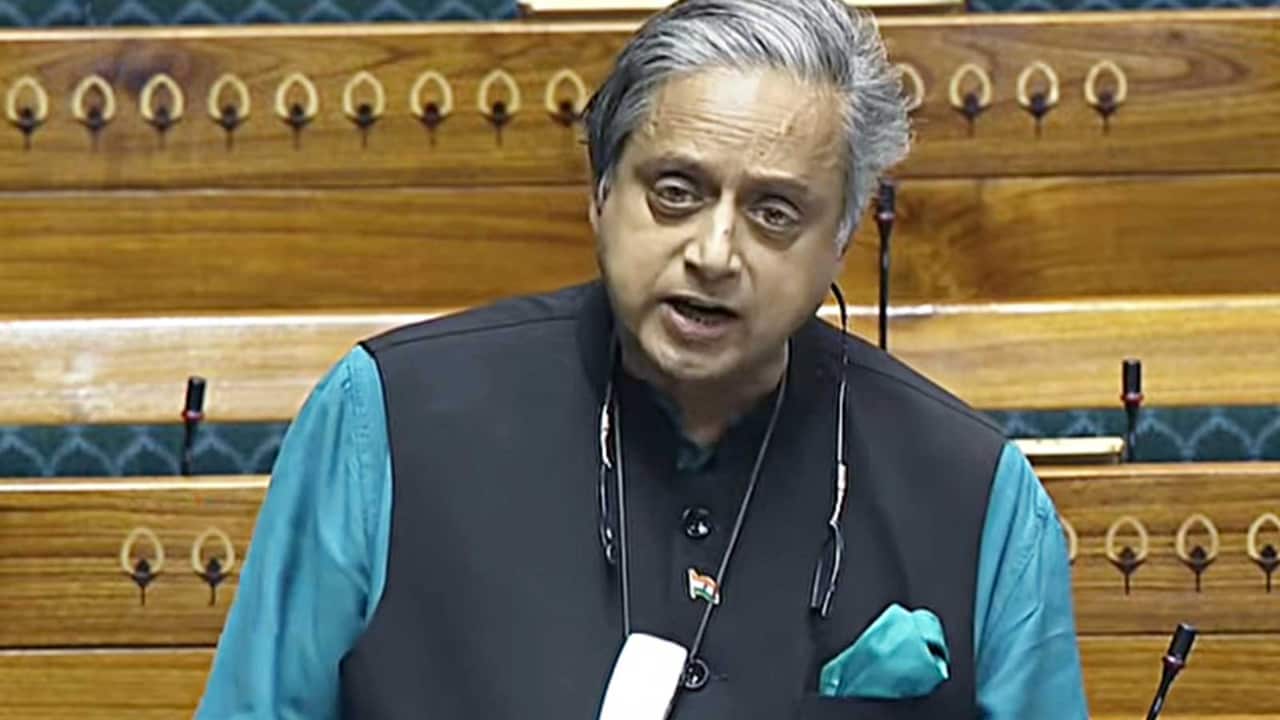
Congress MP Shashi Tharoor has drawn attention to a significant decline in exclusive breastfeeding rates among infants under six months in India, urging the government to expand paid maternity leave and enforce existing laws protecting breastfeeding practices. In a social media post addressed to Union Health Minister J.P. Nadda and Union Minister for Women and Child Development Annpurna Devi, Tharoor cited data from the latest National Family Health Survey (NFHS-6).
According to the NFHS-6, institutional deliveries in India have reached 90.6 percent, a notable achievement. However, exclusive breastfeeding for infants under six months has dropped from 63.7 percent to 55.8 percent, with the sharpest declines reported in rural areas and major states such as Uttar Pradesh and Haryana. Tharoor described the trend as a “tragic disconnect between public policy and ground reality,” noting that over 16 crore women work in India's unorganised sector.
“Without paid maternity leave or job security, thousands of working mothers are forced back into informal labour within weeks of delivery just to survive, making the recommended six months of exclusive breastfeeding an economic impossibility,” Tharoor said. He pointed out that many women in rural and informal employment resume work within weeks after childbirth to sustain their livelihoods, preventing them from following the globally recommended six-month exclusive breastfeeding period.
The Congress leader also attributed the decline to structural challenges in the healthcare and commercial sectors. He specifically highlighted the rise in C-section deliveries and the aggressive marketing of infant formula substitutes. “Breast milk is a child's ultimate shield against malnutrition and infant mortality,” Tharoor said, adding that the answer lies in extending robust financial maternity benefits to informal sector workers, strictly enforcing the Infant Milk Substitutes (IMS) Act, and strengthening postnatal lactation counselling across health centres.
Tharoor questioned whether the government and employers plan any such action. His remarks come amid ongoing debates about maternal health and child nutrition in India. The NFHS-6 data points to a paradox: while more births are taking place in medical institutions, breastfeeding practices are worsening, raising concerns about postnatal support and workplace policies.
Experts note that exclusive breastfeeding for the first six months provides essential nutrients and antibodies, reducing the risk of infant mortality and malnutrition. However, for millions of women in the unorganised sector—who lack formal contracts, paid leave, or social security—meeting this recommendation is difficult. India's Maternity Benefit Act of 1961 provides 12 weeks of paid leave, but it applies primarily to women in formal employment. In 2017, the Act was amended to extend paid leave to 26 weeks, but coverage remains limited to establishments under the Factories Act and similar regulations, leaving most informal workers unprotected.
The IMS Act, which regulates the marketing of breast-milk substitutes, is often cited as a critical tool for protecting breastfeeding. However, enforcement has been uneven, and reports of formula companies circumventing provisions have persisted. Public health specialists have repeatedly called for stronger monitoring and public education campaigns to counter the influence of commercial interests.
Tharoor's post has revived discussions in policy circles about the need for a national strategy that bridges the gap between institutional healthcare and community-level support. State governments, too, have a role in ensuring that health centres provide adequate lactation counselling and that maternity entitlements reach the most vulnerable women.
The data from NFHS-6 underscores broader challenges in maternal and child health outcomes across India. While progress in institutional deliveries is a positive development, achieving optimal infant feeding practices will require coordinated action on legal protections, healthcare services, and workplace rights. As Tharoor's remarks suggest, the issue is not just a health concern but also a matter of economic justice for millions of working mothers.