Telegram Appeals to Delhi High Court Against Temporary Ban Amid NEET Paper Leak Investigation
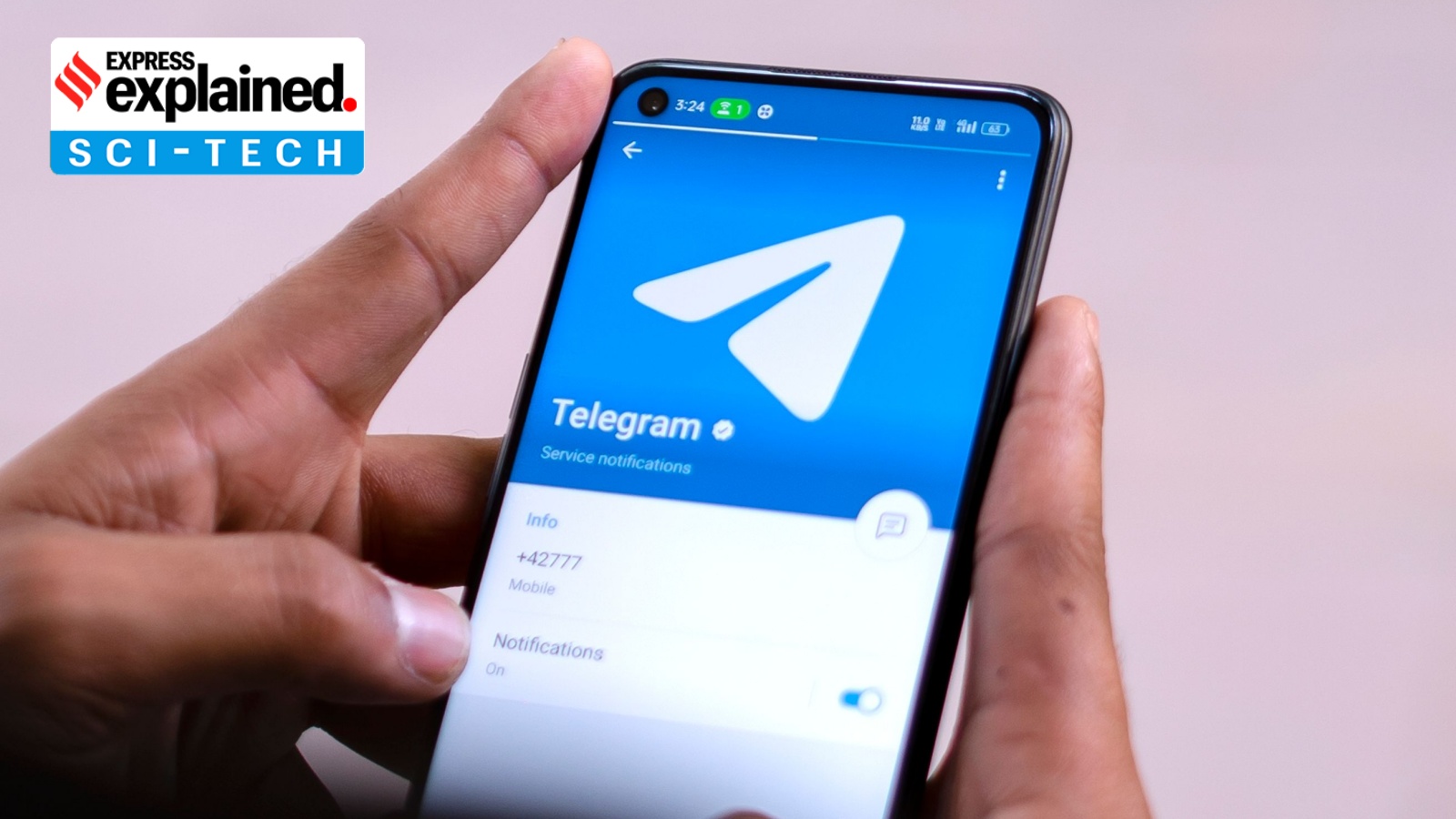
Messaging platform Telegram has filed a petition in the Delhi High Court challenging the central government's order to temporarily block its services in India. The ban, imposed on June 16, remains in effect until after the NEET-UG re-examination scheduled for June 21, following the cancellation of the original May 3 test due to an alleged paper leak.
The government cited Telegram's "non-responsiveness" in assisting the investigation into the NEET-UG paper leak and the need to curb the circulation of false claims about access to the re-test question paper. The ban, which applies until June 22, was announced a day before the re-examination.
Telegram's petition is listed for hearing before Justice Tejas Karia on Wednesday, June 17. The platform is seeking interim relief against the blocking order, arguing that it disproportionately affects its over 150 million users in India. Telegram is the second most popular personal messaging app in the country, trailing only WhatsApp, which has more than 500 million users.
Pavel Durov, the founder of Telegram, earlier criticised the move, stating that by temporarily banning the platform, Indian authorities had "punished" millions of ordinary users. Durov emphasised that Telegram has consistently cooperated with legal requests and has a strong track record of removing content that violates its terms of service.
The NEET-UG controversy erupted after the initial exam on May 3 was cancelled due to a confirmed paper leak. The Central Bureau of Investigation is probing the case, and multiple arrests have been made. In the run-up to the re-test, authorities reported the circulation of messages on various platforms claiming to have advance access to the question paper, prompting the government to take preemptive action against certain digital channels.
Telegram's legal challenge underscores the ongoing tension between privacy-focused platforms and regulatory demands for user data and content moderation. The court's decision will be closely watched, as it may set a precedent for how internet shutdowns and app blocks are handled in the context of public examinations and investigations.
Legal experts note that Section 69A of the Information Technology Act empowers the government to block access to any information for reasons of sovereignty, integrity, defence, security of the state, or to prevent incitement to an offence. However, such orders must follow procedural safeguards, including a review by a committee and the opportunity for the platform to present its case. Telegram is expected to argue that the ban is disproportionate and violates the fundamental rights of its users.