Tamil Nadu challenges Madras HC blanket cow slaughter ban in Supreme Court
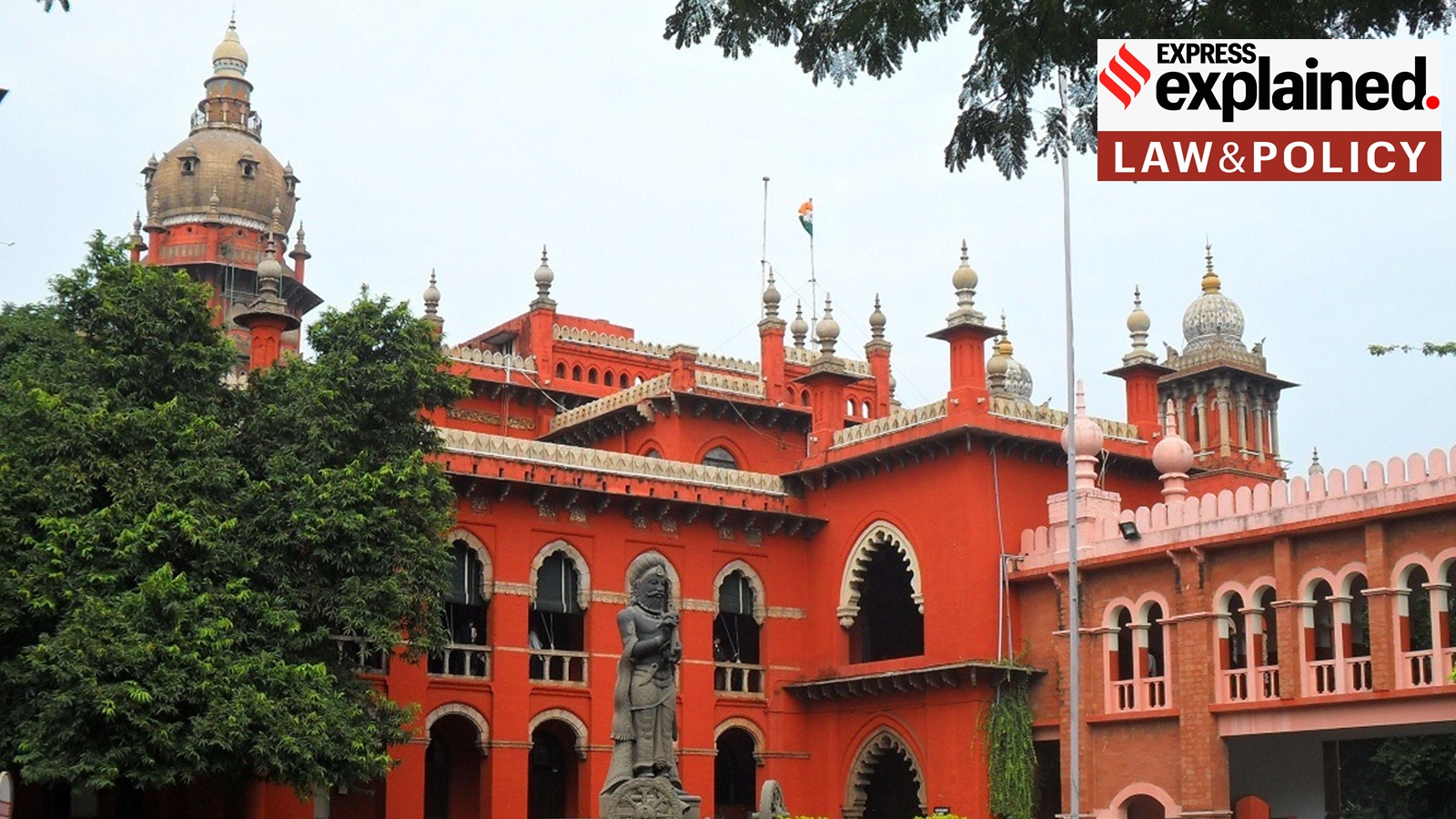
The Tamil Nadu government has approached the Supreme Court against a Madras High Court order that directed authorities to ensure that no cow or calf is slaughtered on the eve of Bakrid or on any other day. The state filed a Special Leave Petition (SLP) arguing that the High Court imposed an absolute and blanket ban, even though the original petition only sought to prevent cow slaughter in public places.
In its appeal, Tamil Nadu contends that the order contradicts the state's statutory framework, which only provides for regulation and not prohibition of cattle slaughter. The state argues that the High Court effectively re-wrote and re-framed the law, granting relief that was neither pleaded nor prayed for by the petitioner.
The case originated from a representation filed by Surya, who described himself as the state general secretary of the youth wing of an unregistered outfit, Indu Makkal Katchi Tamilagam. On May 18, he asked authorities to prevent cow slaughter in public places during Bakrid. A writ petition was later filed seeking a direction to consider that representation. A single judge referred the matter to a division bench of Justices G R Swaminathan and V Lakshminarayanan, treating it as a public interest litigation.
During the hearing, the police submitted a counter-affidavit stating that a temporary shed for qurbani (ritual slaughter) had been set up in a non-public area, without causing obstruction to traffic or offending religious sentiments. The bench read this as a concession that the arrangements were compliant, but then went further to impose a comprehensive ban.
Article 48 of the Constitution, part of the Directive Principles of State Policy (DPSP), states that the State shall endeavour to organise agriculture and animal husbandry and, in particular, take steps for preserving and improving breeds and prohibiting the slaughter of cows, calves, and other milch and draught cattle. However, DPSP are not legally enforceable but are guiding principles.
The High Court held that sacrificing a cow is not obligatory for Bakrid and referred to Section 4 of the Tamil Nadu Animal Preservation Act, 1958, which permits slaughter only with a certificate showing the animal is over ten years old and unfit for work and breeding. It also cited a Tamil Nadu government order (GO Ms No. 1715) banning cow slaughter in slaughterhouses to increase milk production. The bench concluded that authorities cannot permit slaughter of any animal outside designated slaughterhouses, and ordered that no cow or calf be slaughtered on any day.
The state's appeal argues that the High Court's order went beyond the scope of the petition, which sought only to prevent slaughter in public places. The state contends that the order runs contrary to the statutory framework, which regulates but does not prohibit slaughter. It also points to an inconsistency within the judgment itself.
The Supreme Court will now examine whether the High Court overstepped its jurisdiction and whether the blanket ban is legally sustainable under existing state laws.







