Tamil Nadu announces state-wide mission to lower salt intake, curb lifestyle diseases

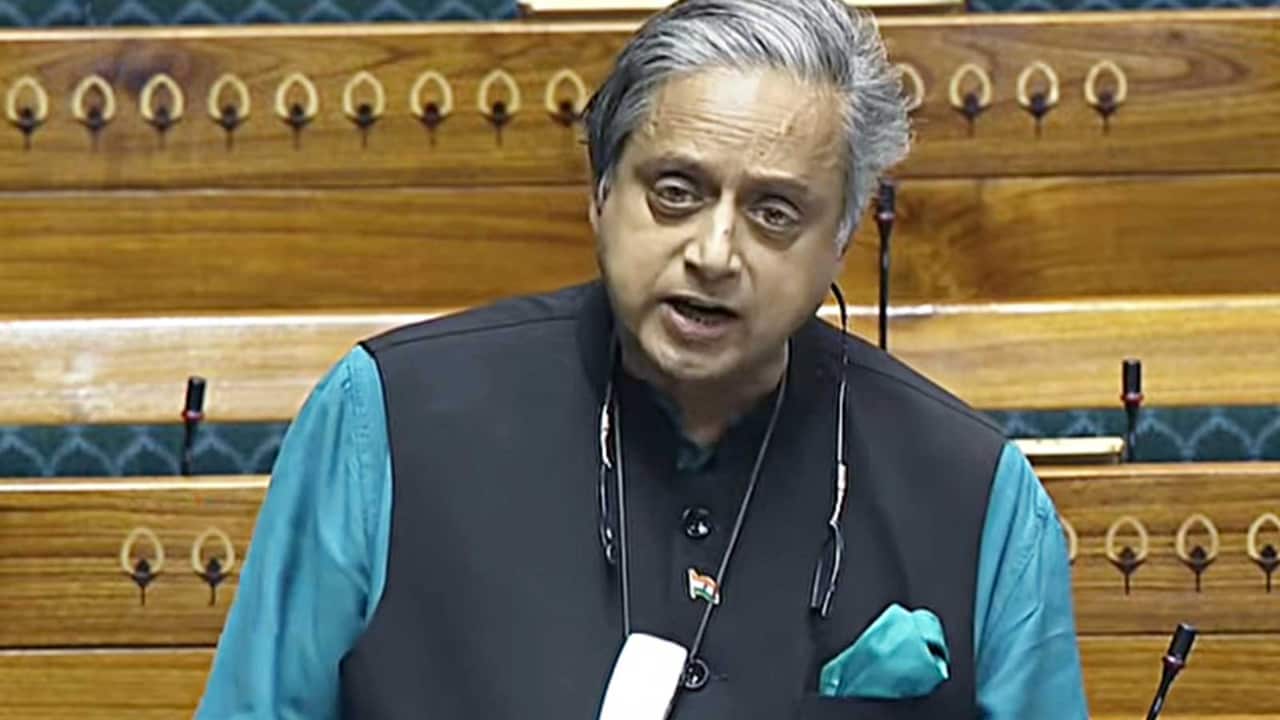
The Tamil Nadu government has announced a state-wide mission aimed at reducing the quantity of salt in the everyday diet of its residents. The initiative, unveiled by Health and Family Welfare Minister K.G. Arunraj in the Legislative Assembly on Tuesday, seeks to address the growing burden of non-communicable diseases linked to high sodium consumption.
Presenting the plan, Dr. Arunraj said non-communicable diseases such as hypertension, cardiovascular ailments, stroke and kidney disorders are among the most pressing public health challenges in the State. Nearly 50% of medically certified deaths in Tamil Nadu are attributed to cardiovascular diseases, he said, and approximately 1.8 crore people are currently living with hypertension. These figures underline the need for preventive measures, he added.
The World Health Organization (WHO) recommends that an adult should consume less than five grams of salt per day. However, scientific studies indicate that the average daily salt intake in Tamil Nadu is between seven and eight grams. Notably, an estimated 88% of the salt in the typical South Indian diet is added during cooking at home, rather than coming from processed or packaged foods. Global research has shown that even reducing salt intake by one gram a day can significantly lower blood pressure, which in turn reduces the risk of heart attacks and strokes.
The Minister also cited an international study involving approximately 21,000 participants who used a low-sodium salt substitute, in which a portion of sodium chloride is replaced with potassium chloride. The study recorded a 14% reduction in strokes and a 12% reduction in overall mortality among those who used the substitute. This evidence formed the basis for the State government's decision to formulate an integrated strategy to reduce high salt consumption.
Under the mission, a state-wide survey based on urine samples will be conducted for the first time to scientifically determine the current level of salt consumption among people in Tamil Nadu. This baseline assessment is expected to help health authorities design targeted interventions and measure progress in the coming years.
The government also said it would implement standards to gradually reduce the amount of salt used in kitchens under its direct control. This includes facilities serving the Nutritious Meal Programme, the Integrated Child Development Services (ICDS) scheme, government hospitals and hostels. The move is intended to set an example for food preparation in both public institutions and private households.
A pilot project will study the feasibility of making low-sodium salt substitutes available to the public in selected areas. According to the Minister, these substitutes, where a portion of sodium is replaced with potassium, do not produce a noticeable difference in taste and could offer a practical alternative for families seeking to cut their salt intake.
Through the 'Makkalai Thedi Maruthuvam' initiative and Health and Wellness Centres, people with hypertension will receive systematic counselling on reducing salt intake. In addition, a state-wide awareness campaign will educate people about the salt content in food and offer simple methods to gradually reduce the excessive use of salt in everyday home cooking.
The mission reflects a multi-pronged approach that combines scientific measurement, institutional reform, product availability, medical counselling and public awareness. The Health Department is expected to release detailed implementation plans and timelines in the coming months. The announcement signals a long-term policy commitment to tackling diet-related diseases at the population level.