Supreme Court's Road Safety Mandate: Most States Fail to Implement Key Trauma Care Measures
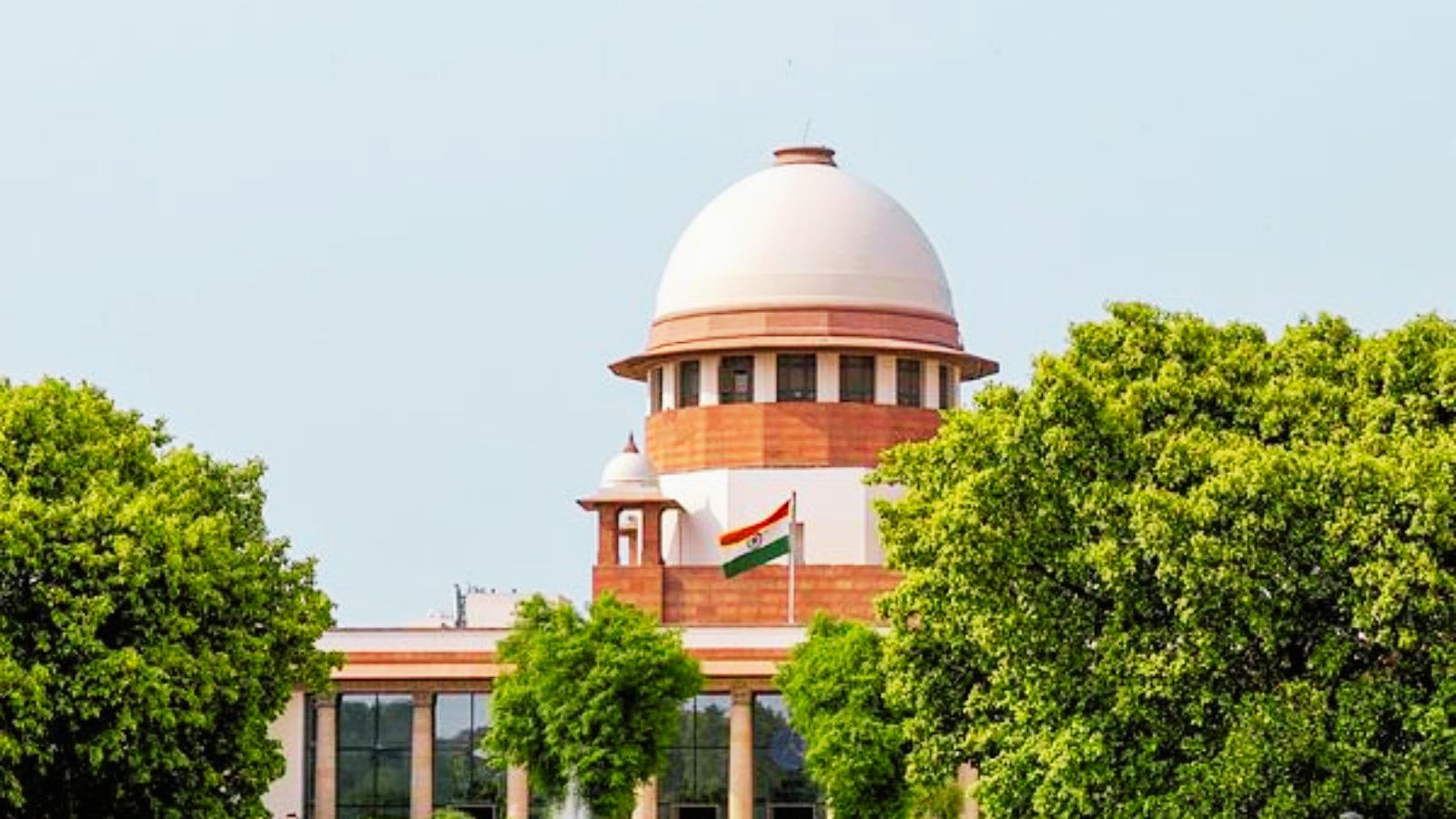
India's roads claim 1.77 lakh lives annually, a toll that underscores a critical failure: no state has fully established the trauma care system the Supreme Court mandated to save lives, according to data submitted by 34 states and Union Territories over the past nine months.
The Supreme Court, in an order on May 26, 2024, directed states to implement nine measures, five of which are essential for emergency care during the 'Golden Hour'—the first 60 minutes after an accident when timely treatment can prevent death. These five measures are: a common emergency phone number (112), GPS-equipped ambulances, a Good Samaritan law, a trauma registry, and a rescue protocol.
A review of 1,200 pages of court submissions reveals that among the eight states accounting for two-thirds of road fatalities—Uttar Pradesh, Tamil Nadu, Maharashtra, Madhya Pradesh, Karnataka, Rajasthan, Bihar, and Andhra Pradesh—seven have not merged all emergency numbers into 112. Karnataka did not provide information on this front.
The common number 112, launched by the Union Home Ministry in 2019 as part of the Nationwide Emergency Response System, aims to eliminate confusion by subsuming separate numbers for police, fire, medical, and other emergencies. The lack of integration remains a barrier to quick response.
Another critical measure is the protection of Good Samaritans—bystanders who help accident victims. While the Supreme Court recognised their rights in 2016 and the Ministry of Road Transport notified the Good Samaritan Rules in 2020, offering a Rs 25,000 reward for those who assist within the Golden Hour, implementation is weak. Of the eight high-fatality states, only Maharashtra and Karnataka have a grievance redressal system for Good Samaritans. Four states lack such a system, and two did not provide information.
A trauma registry—a clinical database tracking a patient's journey from injury through treatment and discharge—is also lacking in five of these eight states. Only Tamil Nadu, Maharashtra, and Madhya Pradesh have established such registries. Tamil Nadu's system records pre-hospital ambulance details, hospital reception data, and real-time patient outcomes. Without a registry, auditing medical care and informing policy becomes difficult.
Seven of the eight states have a rescue protocol for extricating victims from accident sites, but Karnataka does not. The gaps in these five measures are particularly concerning because at least 30% of trauma-related deaths in India result from delays in emergency care, as noted in a 2021 NITI Aayog-AIIMS report.
The Supreme Court's order came in response to a petition by SaveLIFE Foundation, which advocated for a uniform trauma care system. Despite the court's directive, states have been slow to build the necessary infrastructure, a decade after the Good Samaritan ruling. The data underscores a systemic failure that contributes to preventable deaths on Indian roads.