Supreme Court to Mahua Moitra: 'Freedom Fighters Faced Bullets, You Fear Eggs'
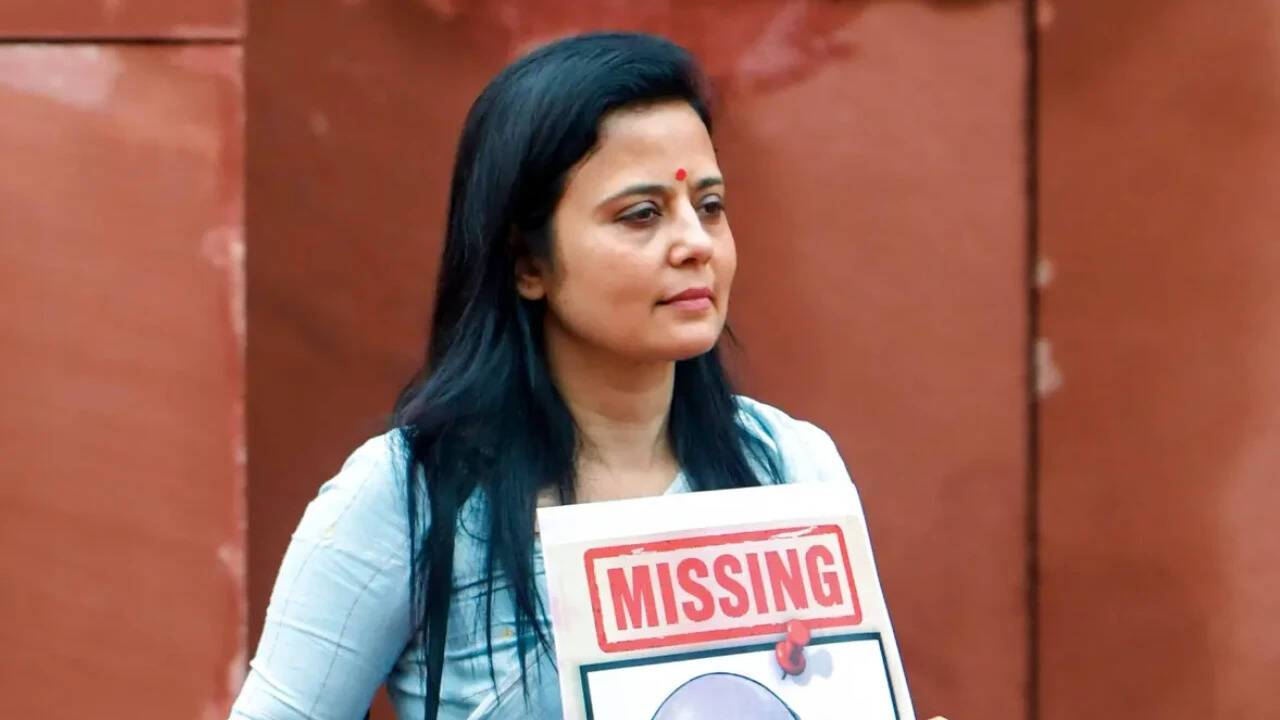
The Supreme Court, while hearing a plea filed by Trinamool Congress leader Mahua Moitra challenging her expulsion from the Lok Sabha, made a sharp observation on her request to appear before the investigating officer through video conferencing. The bench, comprising Justices Sanjiv Khanna and Dipankar Datta, remarked, "Freedom fighters faced bullets, you fear eggs."
The observation came as Senior Advocate Gopal Sankaranarayanan, representing Moitra, argued that she should be permitted to appear via video link due to security concerns and practical difficulties. The court, however, appeared unimpressed and questioned the basis of her apprehension.
Moitra was expelled from the Lok Sabha on December 8, 2023, after the House adopted the Ethics Committee's report that found her guilty of "unethical conduct" for allegedly accepting bribes from businessman Darshan Hiranandani to ask questions in Parliament. The allegations were brought by BJP MP Nishikant Dubey, who claimed that Hiranandani had provided Moitra with gifts and cash in exchange for raising questions targeting the government. The committee, after an inquiry, recommended her removal, and the motion was passed by a voice vote.
Moitra, who represents the Krishnanagar constituency in West Bengal, has consistently denied the allegations, calling them politically motivated. In her petition before the Supreme Court, she argued that the ethics committee's proceedings were conducted in a biased manner and that she was not given a fair opportunity to present her case. She also contended that the expulsion was disproportionate and violated her fundamental rights.
Earlier, Moitra had refused to appear before the ethics committee, describing it as a "kangaroo court" and alleging that it was acting at the behest of the ruling party. She had approached the Delhi High Court, which declined to interfere with the committee's proceedings, prompting her to move the Supreme Court.
During the hearing, Sankaranarayanan said that Moitra had already cooperated with the investigation and that appearing in person before the investigating officer was not necessary. He requested the court to allow her to join the proceedings through video conferencing. The bench, however, responded with the remark about freedom fighters, indicating its reluctance to grant the request.
The court also asked the counsel why Moitra could not appear in person and what specific threat she faced. The counsel cited the prevailing political climate and alleged hostility, but the bench was not convinced. The court observed that many individuals face difficulties while complying with legal processes, yet they do so without seeking exemptions.
The hearing remained inconclusive, and the Supreme Court has scheduled further arguments in the matter. The court is expected to examine the validity of the ethics committee's procedures and whether Moitra's expulsion was in accordance with constitutional norms and natural justice.
The case has significant implications for parliamentary discipline and judicial oversight. It raises questions about the extent to which courts can interfere in the internal proceedings of Parliament and the rights of legislators accused of misconduct. Legal experts believe that the Supreme Court's verdict could set a precedent for future expulsion cases.
Moitra's legal team is expected to address the court's concerns in the next hearing. The case is not just about one MP's fate but also about the balance between parliamentary autonomy and constitutional rights. Meanwhile, political reactions have been divided, with opposition parties criticising the manner of her expulsion and ruling party leaders defending the ethics committee's action.