Supreme Court to hear pleas against Delhi metro closures as anti-CEC protests continue
New Delhi: The Supreme Court is scheduled to hear on Tuesday, October 13, a batch of petitions challenging the closure of several metro stations in the national capital, even as protests continue against Chief Election Commissioner Gyanesh Kumar over alleged irregularities in the functioning of the Election Commission of India (ECI).
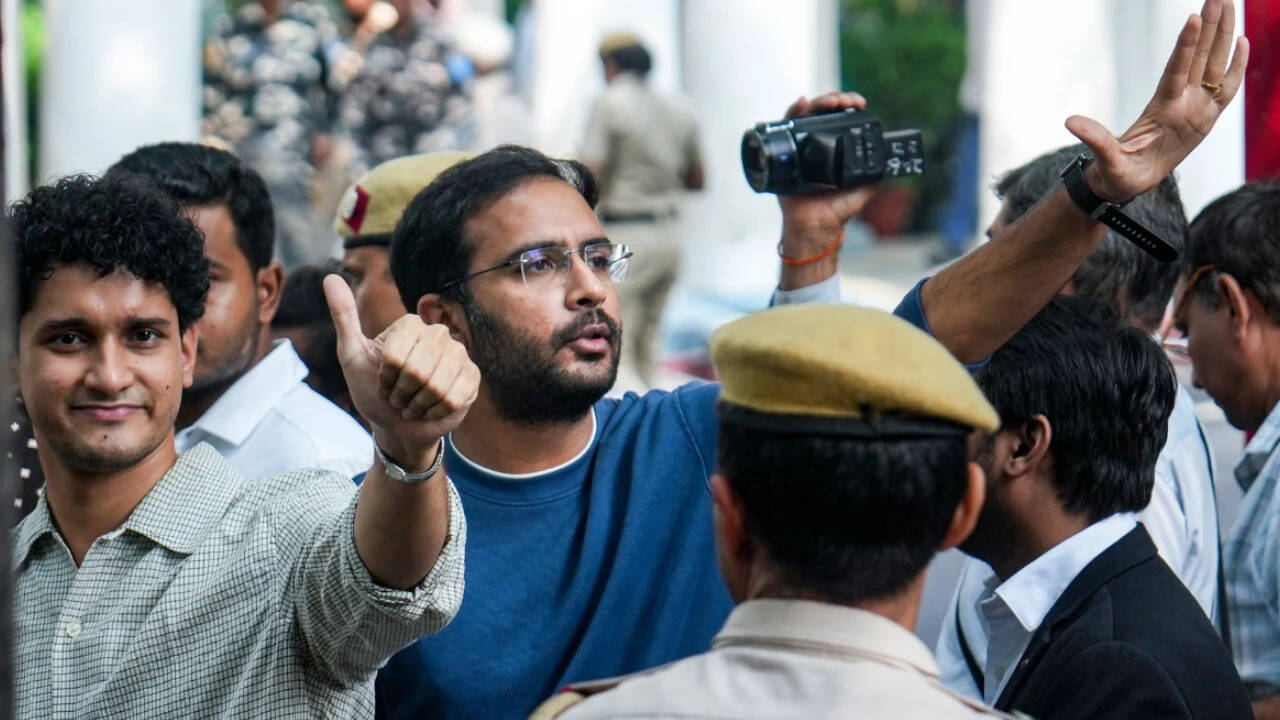
The metro closures came amid a sustained agitation in Delhi. On Monday, October 12, opposition leaders, activists and civil society members held a "March for Democracy" along a heavily barricaded route in Central Delhi. The same day, a joint petition was filed in the Supreme Court against the Special Intensive Revision (SIR) of electoral rolls and alleged irregularities in the poll process.
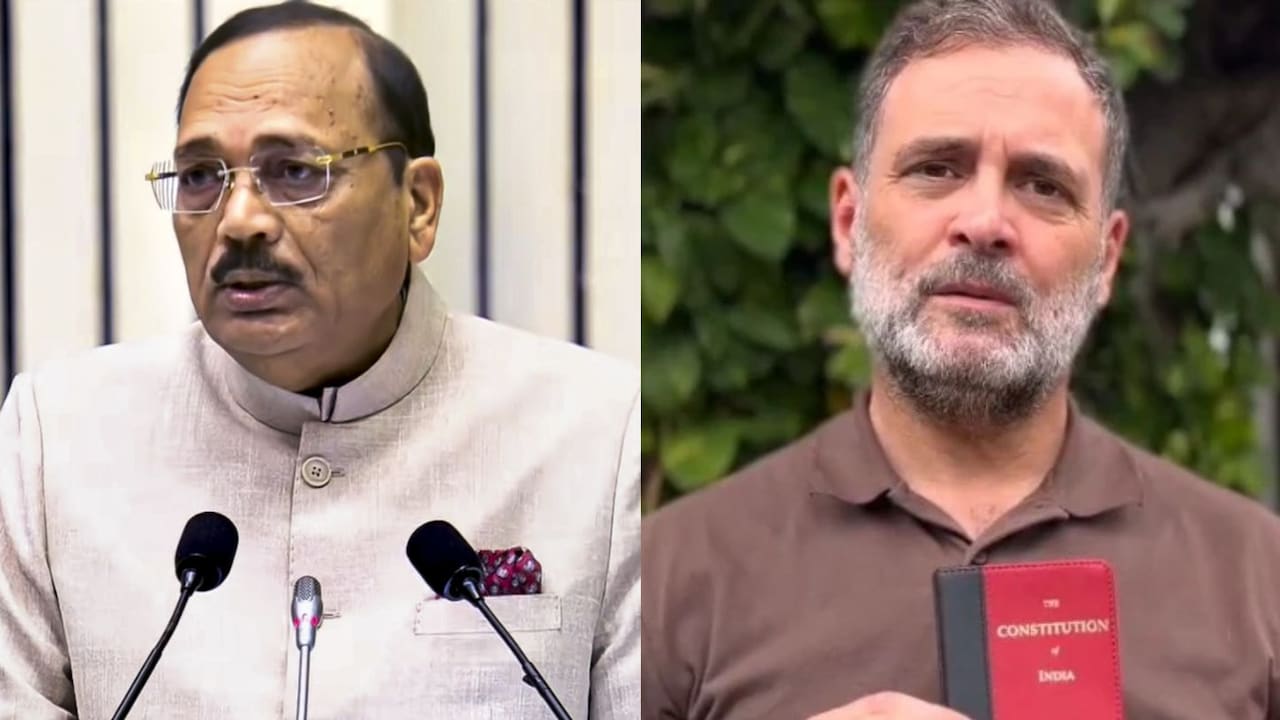
Congress leader Rahul Gandhi was among those who filed the petition. On October 12, the Supreme Court registry flagged more than ten defects in the filing. Such objections are procedural: they concern the form and completeness of the petition and do not amount to a finding on its merits.
At the centre of the dispute is the SIR, an exercise in which the Election Commission reviews and updates voter lists. Petitioners allege large-scale deletion of the names of genuine voters and irregularities in how the revision was carried out. These allegations have not been established in court, and the matter now rests with the judiciary.
Meanwhile, Delhi Police has asked the Union Ministry of Home Affairs to extend the deployment of 273 companies of the Central Armed Police Forces (CAPF) in the capital until October 20, sources said on Tuesday. In a letter, the police cited the possibility of further protests by various organisations and said the additional forces were needed to maintain law and order. The deployment had been scheduled to end on Monday.
Security across the capital has been heavy for days. Barricades and the closure of metro stations have disrupted travel for thousands of daily commuters, an effect that reaches well beyond those taking part in the demonstrations.
The protests follow what organisers described as two days of police action against demonstrators, after which large numbers of people marched through Central Delhi on Monday. The gathering was described by participants as a show of strength on the issue of the integrity of the electoral roll.
Much of the recent activity has centred on Jantar Mantar, the 18th-century astronomical observatory built by Maharaja Jai Singh II, which over decades has become the capital's standard venue for public protest — a place where citizens have assembled to air grievances against governments of every political colour.
The demonstrations are directed at the Chief Election Commissioner over the alleged irregularities. Under Article 324 of the Constitution, the superintendence, direction and control of elections vests in the Election Commission, and its independence is widely regarded as central to free and fair polls. Questions raised about the credibility of an electoral roll therefore carry significance well beyond Delhi.
The Supreme Court's hearing on Tuesday will be watched closely, both for what it says about the specific challenge to the metro closures and for any directions it may issue on the wider dispute over the revision of electoral rolls. Neither the outcome of the hearing nor the fate of the petitions can be assumed in advance.
(With inputs from PTI)