Supreme Court to Examine if Husbands Can Be Prosecuted for Unnatural Sex Despite Marital Rape Exception
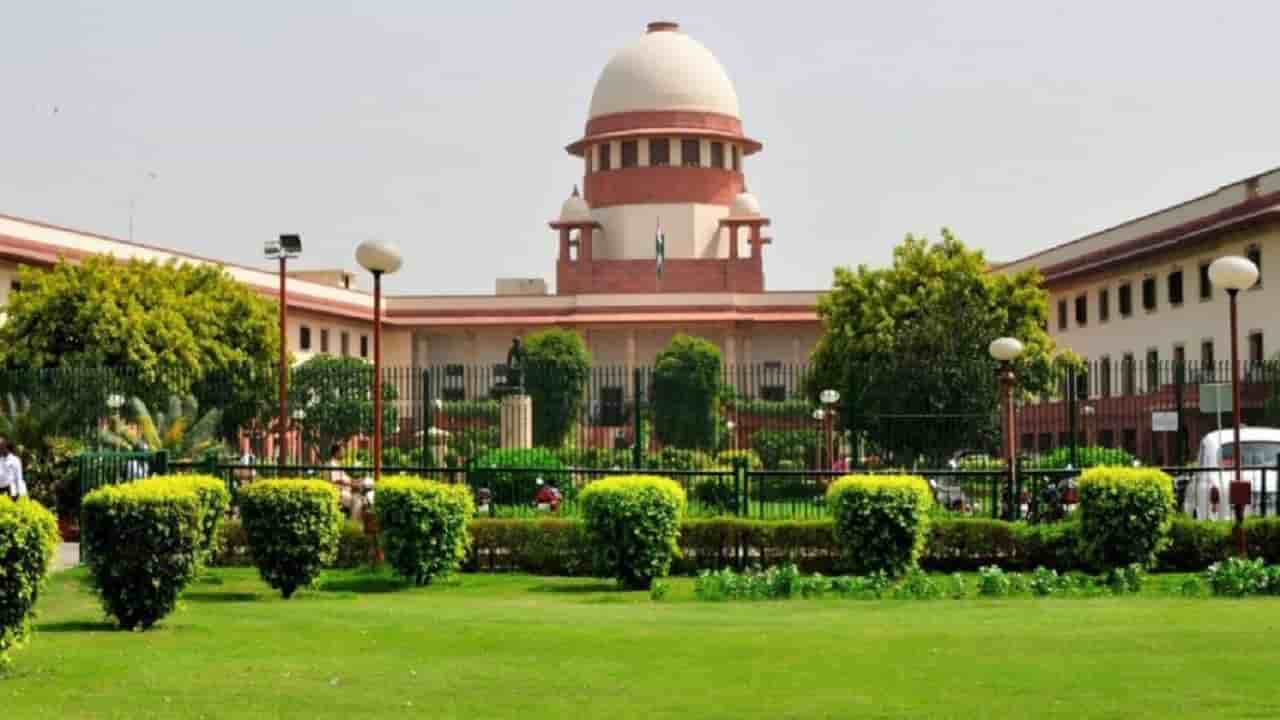
The Supreme Court on Thursday agreed to examine a crucial question: can husbands be prosecuted for causing physical hurt or mental trauma to their wives through violent, unnatural, or other sexual acts, even if they are shielded from marital rape charges?
A bench of Chief Justice Surya Kant and Justices Joymalya Bagchi and V Mohana was hearing petitions challenging the constitutional validity of penal law provisions that exempt husbands from marital rape charges. Senior advocate N S Nappinai, appearing for NGO Red Dot Foundation, argued that while the exemption under Section 375(2) of the Indian Penal Code (IPC) and Section 63 of the Bharatiya Nyaya Sanhita (BNS) protects husbands from being prosecuted for rape, they could still be held liable under other penal provisions for hurting their wives through sexual acts.
Nappinai pointed out that the Criminal Laws Amendment Act, 2013, enacted on the Justice Verma Commission’s recommendations after the 2012 Nirbhaya case, had widened the exception to cover all kinds of sexual acts by husbands. The court said it would begin the final hearing on all petitions from September 9.
The key question before the court is whether it can create a new offence by striking down the exception under Section 375(2) of the IPC and Section 63 of the BNS. Currently, the IPC exempts a husband from rape charges for sex with his wife if she is 15 or older. In 2017, the Supreme Court raised the age to 18, which the BNS now explicitly adopts.
The central government has opposed criminalising marital rape, arguing that marriage is a unique relationship not centred on sex. It said Parliament consciously created the exception, and treating marital sex as rape would be disproportionate. However, the government acknowledged that a husband has no right to violate his wife’s consent.







