Supreme Court Takes 14 Years to Decide Criminal Appeal; Two of Three Convicts Die During Pendency
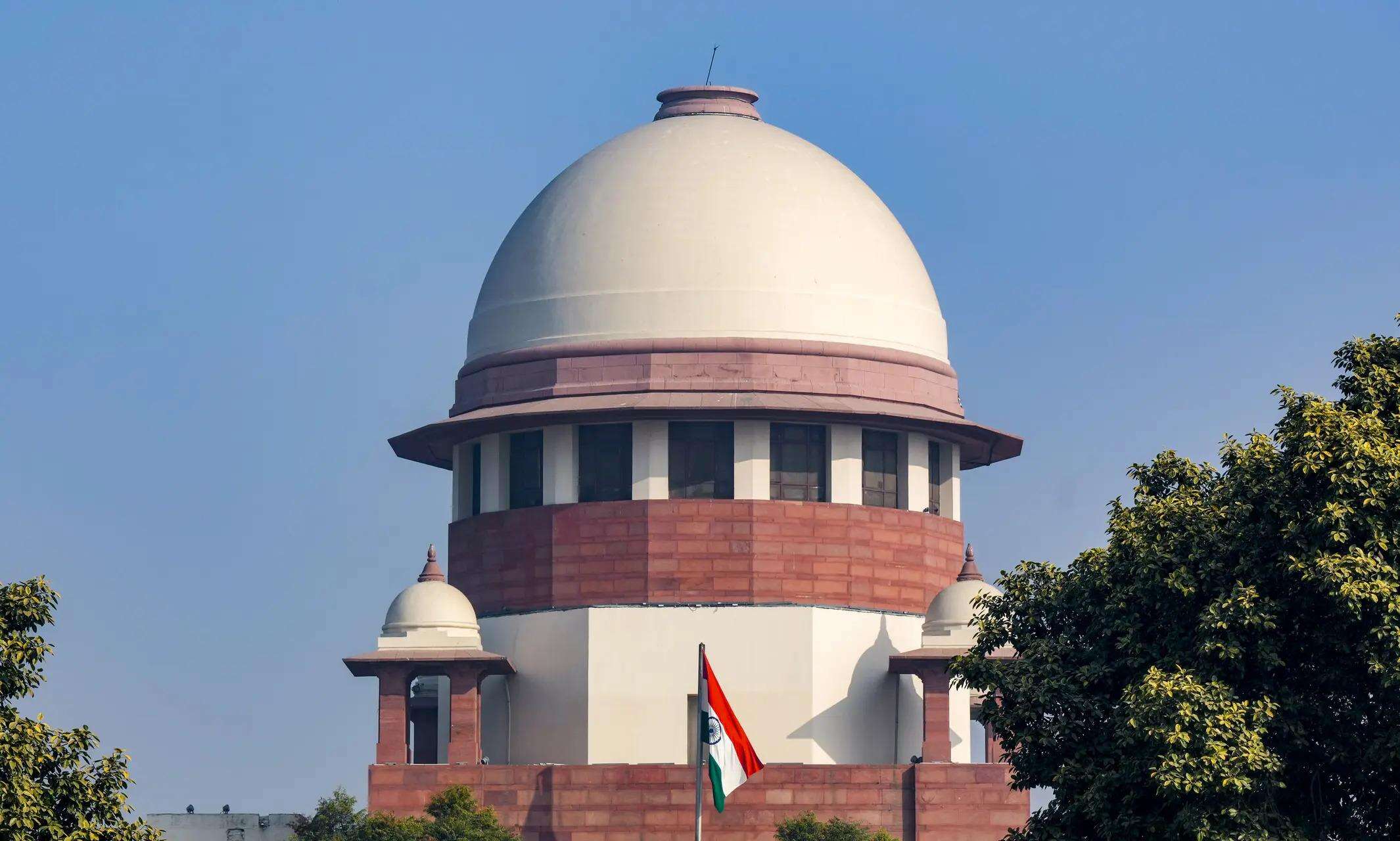
The Supreme Court of India, while frequently invoking the principle that 'justice delayed is justice denied,' took nearly 14 years to decide a criminal appeal involving culpable homicide not amounting to murder. During this period, two of the three convicts passed away.
According to records on the apex court's website, the appeal was heard on 12 dates over the 14-year span. The trial court had concluded proceedings in five years, and the Uttarakhand High Court disposed of the appeal in 10 years. The case originated from an altercation in 1997 over the sale of a wristwatch worth Rs 500, which led to a fistfight and the seller's death after he fell into a dry canal.
The trial court convicted the three accused in 2002, sentencing them to five years' imprisonment. The convicts appealed to the High Court, which upheld the conviction and punishment in 2012. They then approached the Supreme Court in September 2012.
Taking note of the nearly 30-year lapse and the remaining convict's age, a bench of Justices Ujjal Bhuyan and Arun Palli reduced his sentence to the period already served—one-and-a-half years. The bench observed, 'The incident occurred on Feb 12, 1997. The appellant was 33 years old. Today, we are in 2026, almost three decades have gone by since then. The appellant is now well over 60... We have also noted the genesis of the altercation... All the injuries... clearly occurred because of the fall into the dry canal which had a rock-bed.'
The court concluded, 'At this distant point of time, we are of the view that it would meet the ends of justice if we alter the sentence of imprisonment from RI for five years to the period already undergone while maintaining the conviction.'
The case highlights concerns over judicial delays in India, even at the highest level, and their human cost. While the Supreme Court has acknowledged the importance of timely justice, systemic issues continue to result in prolonged litigation.







