Supreme Court Stays Proceedings in Disproportionate Assets Case Against Rahul Gandhi
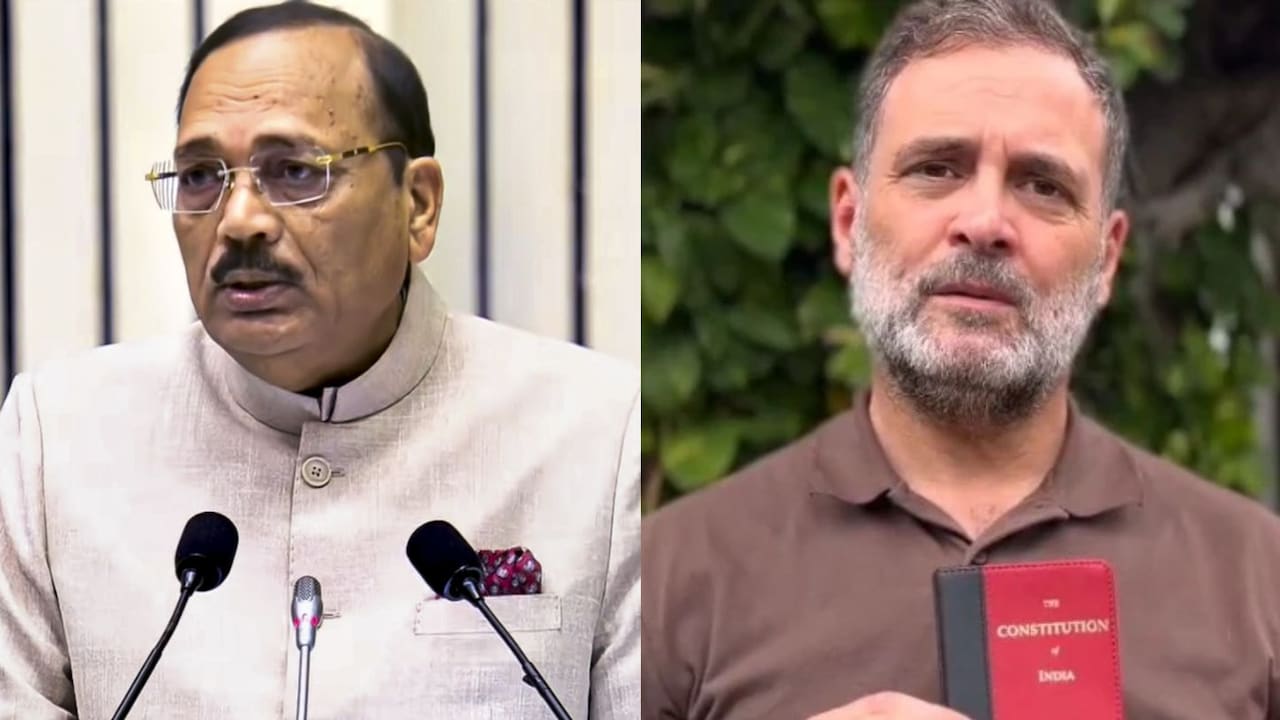
The Supreme Court on Thursday directed the Allahabad High Court not to proceed with the disproportionate assets case against Congress leader Rahul Gandhi. The order came while the top court was hearing a petition filed by Gandhi challenging the high court's refusal to quash the criminal proceedings.
A bench of Justices Vikram Nath and P.B. Varale noted the submissions made by senior advocate Abhishek Singhvi, appearing for Gandhi, and issued notice to the complainant. The court said that until the next date of hearing, no coercive action shall be taken against the petitioner in connection with the case.
The disproportionate assets case, filed by a BJP leader, alleges that Gandhi had acquired assets disproportionate to his known sources of income between 2004 and 2014. The Congress leader has denied the allegations, calling them politically motivated.
In July 2023, the Allahabad High Court had dismissed Gandhi's plea to quash the summons issued against him. The high court had observed that prima facie allegations of disproportionate assets were made out, and that the case required trial. Gandhi then moved the Supreme Court.
During the hearing, the bench questioned the maintainability of the case, asking why the complainant had not impleaded the Income Tax Department as a party. The court remarked that in such matters, the assessing officer's opinion is crucial. The matter has been listed for further hearing after four weeks.
This is not the first legal reprieve for Rahul Gandhi. In July 2023, the Supreme Court stayed his conviction in a criminal defamation case over his remarks on the Modi surname. However, the disproportionate assets case is a separate proceeding and will be decided on its own merits.
Political reactions were swift. Congress leaders welcomed the Supreme Court's intervention, asserting that the case was a tool of vendetta by the ruling party. The BJP, on the other hand, maintained that the judiciary would deliver justice and that Gandhi must face trial if there is evidence.
The case has its origins in a complaint filed by Bharatiya Janata Party leader Rajiv Babbar in 2016. Babbar alleged that Gandhi's family had benefited from preferential treatment by corporate entities and that his assets had increased substantially between 2011 and 2015. The trial court in Lucknow took cognizance in 2018 and issued summons.
Legal experts point out that a stay on proceedings does not amount to quashing of the case. The Supreme Court will examine whether the high court correctly appreciated the scope of Section 13 of the Prevention of Corruption Act, which defines criminal misconduct by a public servant. The case hinges on whether Gandhi, who is not a public servant in the conventional sense, falls under the purview of the Act.
Gandhi has consistently maintained his innocence, describing the allegations as baseless. His legal team has argued that the Income Tax Department had assessed his returns and found no discrepancies. The Supreme Court's decision to stay the proceedings while examining the issue could have wider implications for similar cases against political leaders.
The next hearing is expected to shed more light on the maintainability of the complaint. Until then, the Allahabad High Court will not continue with the case. Gandhi, who is currently leading the Congress's campaign for the upcoming general elections, can now focus on political activities without the immediate worry of legal proceedings.