Supreme Court: Settling with some buyers won't shield realtors from CBI probe
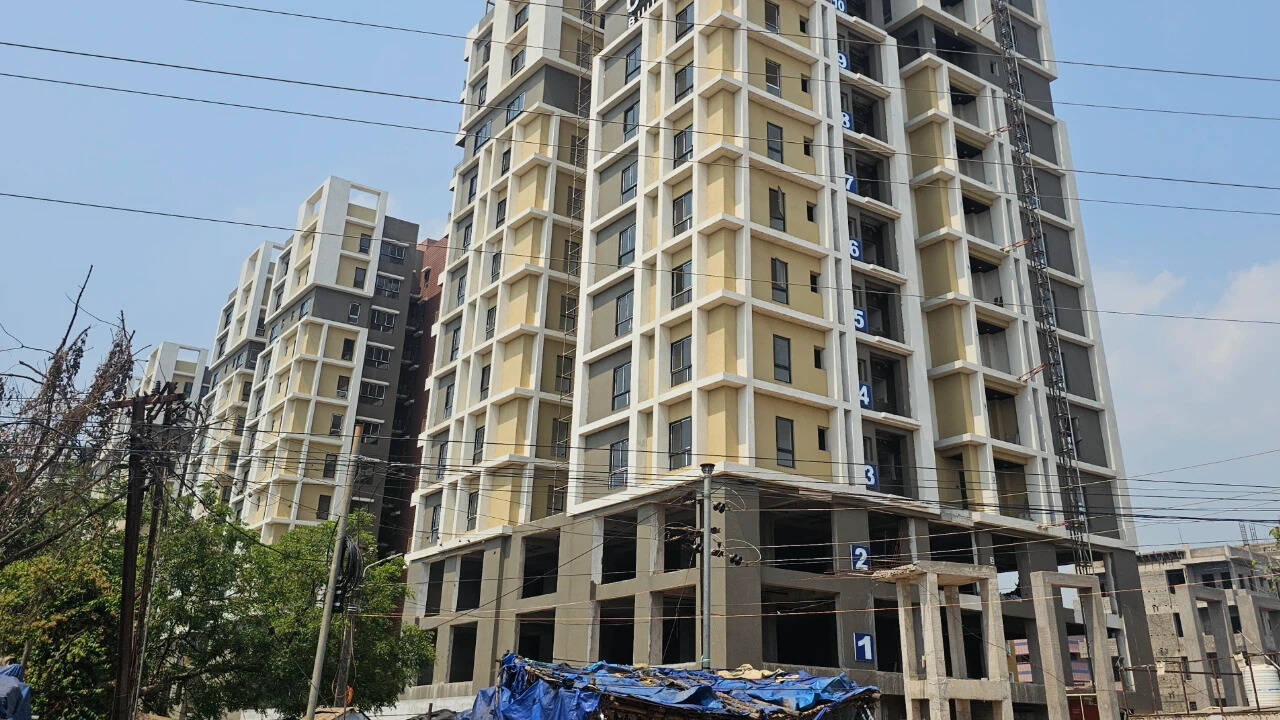
The Supreme Court on Tuesday made it clear that defaulting realtors cannot escape a Central Bureau of Investigation (CBI) probe by settling with a handful of homebuyers. The court observed that builders would continue to be investigated for cheating homebuyers and siphoning off their deposits until the last flat purchaser either receives their property or a refund.
A bench comprising Chief Justice Surya Kant and Justices Joymalya Bagchi and V Mohana was hearing petitions filed by groups of homebuyers who complained of enormous delays in project completion. Many banks had released funds under subvention schemes, but builders failed to deliver flats, and banks were insisting on repayment despite the non-delivery.
Advocate Pranav Sachdeva, appearing for some homebuyers, suggested that those who had settled with builders could withdraw from the petitions, while the remaining buyers could continue the proceedings. The court, however, rejected the idea that settlements with a few buyers would halt the larger investigation.
Additional Solicitor General Aishwarya Bhati, representing the CBI, informed the court that the agency had completed investigations in 18 of the 50 cases where FIRs were registered on the Supreme Court's orders. A total of 17 chargesheets and one closure report have been filed before competent courts.
Bhati said the chargesheets named several bank officials who were found to have colluded with builders. The CBI has invoked provisions of the Prevention of Corruption Act against them and sought sanction to prosecute officials from State Bank of India, Bank of India, UCO Bank, HDFC, and ICICI.
The Supreme Court directed these banks to grant prosecution sanction within two weeks. It warned that failure to do so would require banks to submit explanations to the court. The bench also asked the CBI to share documents on the money trail with the Enforcement Directorate (ED) for a possible inquiry under the Prevention of Money Laundering Act.
On complaints against defaulting builders in multiple states, the bench directed the CBI to conduct thorough investigations into alleged misrepresentation and irregularities by entities such as Ozone Group (in Karnataka, Maharashtra, Tamil Nadu), Vivansaa (Bengaluru), Rudra Buildwell Pvt Ltd (Greater Noida), and Omaxe Group (Chandigarh). A separate status report on these investigations, including related banking institutions, must be submitted to the court.
Amicus curiae Rajiv Jain highlighted a key allegation: these builders did not have ownership title over the land and instead partnered with leaseholders to construct housing projects. They advertised as if they owned the land, entered into agreements with homebuyers and financial institutions without the lessee being a party, and remained unaccountable for delays and defaults.
Given the expanding workload, Bhati informed the court that the CBI had sought additional personnel from states to expedite investigations, but no state had responded to the CBI director's request. The bench directed the Directors General of Police of Uttar Pradesh, Tamil Nadu, Karnataka, Maharashtra, and Punjab to send the required number of personnel on deputation within 10 days.