Supreme Court Sets Different ITR Rules for Salaried and Self-Employed in Accident Compensation
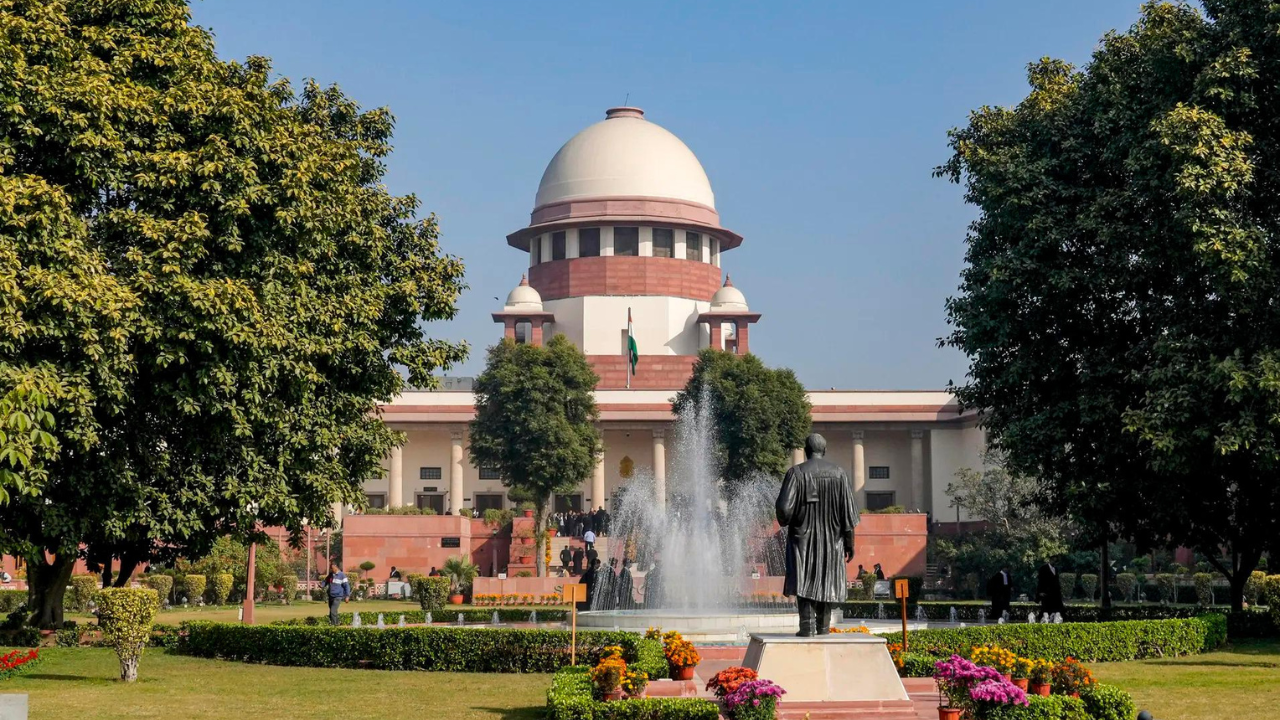
The Supreme Court of India has issued a landmark ruling that establishes distinct methods for calculating compensation in road accident cases, recognising the inherent income differences between salaried employees and self-employed individuals. The decision aims to bring uniformity to compensation assessments across various high courts and ensure fairer settlements for victims and their families.
For salaried persons, the court has mandated that the compensation be calculated based on the income tax return (ITR) of the previous financial year. This approach takes into account the relatively stable income stream of salaried individuals, making the most recent ITR a reliable benchmark for determining loss of future earnings or dependency.
For self-employed individuals, the court has ruled that the average of their last three years' ITRs should be used. This method addresses the fluctuating nature of self-employment income, which can vary significantly from year to year. By averaging the returns, the court aims to capture a more accurate picture of the individual's earning capacity and ensure that compensation reflects their true economic loss.
The ruling was delivered by a bench of Justices [Names if available, otherwise omit] and stems from a series of appeals where inconsistent compensation awards had been granted by different high courts. The court noted that the lack of standardised norms often led to arbitrary and unequal settlements, leaving many claimants undercompensated.
Legal experts have welcomed the decision, stating that it provides clear guidance to tribunals and courts dealing with motor accident claims. The verdict is expected to reduce litigation and expedite the compensation process. However, some have cautioned that the reliance on ITR data may pose challenges for self-employed individuals who do not file returns or underreport income, potentially leading to lower compensation. The court addressed this by stating that in such cases, alternative evidence such as bank statements or business accounts can be considered.
The Supreme Court's directive underscores the importance of accurate income documentation and the need for a nuanced approach to calculating economic damages. It is a significant step towards ensuring that accident victims receive just compensation, aligning with the constitutional principles of equality and fairness.
This ruling is binding on all courts and tribunals across India and will apply to pending and future claims for road accident compensation. It highlights the judiciary's proactive role in harmonising legal procedures and protecting the rights of citizens.







