Supreme Court Seeks Government, CBI Reply on PIL Over Misuse of CJI's 'Cockroach' Remark
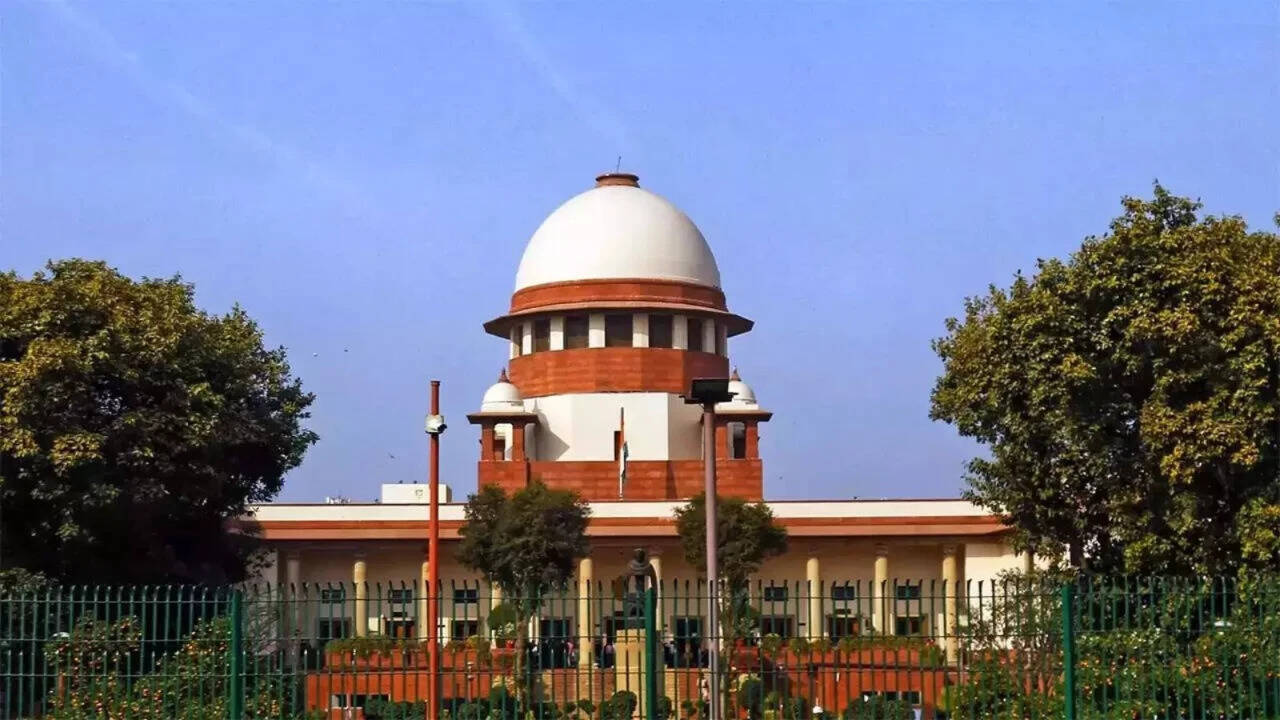
NEW DELHI: The Supreme Court on Tuesday sought responses from the central government and the Central Bureau of Investigation (CBI) on a public interest litigation (PIL) seeking action against those who allegedly commercialised a remark made by Chief Justice of India Surya Kant during a court proceeding in May. The PIL alleges that selectively edited clips of the oral observation were circulated on social media to undermine judicial dignity.
Hearing the matter, a bench comprising Chief Justice Surya Kant and Justices Joymalya Bagchi and V Mohana considered the petitioner's submission that the word 'cockroach' used in a specific context during a hearing on May 15 was picked out, edited, and exploited for commercial gain. The petitioner, advocate Raja Choudhary, argued that this distorted version hurt institutional integrity and public faith in the judiciary.
The remark in question was made during a hearing on a petition titled 'Sanjay Dubey Vs Registrar General of Delhi HC'. According to the petitioner, the CJI used the term while expressing concern about fake advocates and the misuse of court processes, deteriorating professional standards, and the impact on the institution itself.
Choudhary told the court that after May 15, there has been a noticeable increase in clips of selectively edited judicial proceedings. These clips are often turned into memes and circulated on social media platforms for profit. He contended that there is no existing mechanism to counter such actions, which he described as an attempt to show judges in poor light and diminish public confidence in the justice system.
The petitioner sought a direction to authorities to examine and take action in accordance with law against persons or entities allegedly involved in commercial exploitation, trademark appropriation, monetised circulation, or unauthorised commercial use of oral courtroom observations and metaphors. This includes activities related to the colloquial reference to a so-called 'Cockroach Janta Party' that emerged after the remark.
At the same time, the plea explicitly recognised that fair criticism, democratic dissent, satire, and free speech remain permissible within the constitutional framework. It stressed that the concern is limited to actions that cross the line into commercial exploitation or deliberate distortion intended to undermine institutional dignity.
The Supreme Court's decision to seek responses from the government and the CBI indicates the seriousness with which it views the issue. It also underscores the delicate balance between protecting the judiciary's dignity and upholding fundamental rights to free expression.
Legal observers note that this case raises important questions about the boundary between legitimate satire and harmful misinformation in the digital age. The court's eventual ruling could set a precedent for how oral observations made during hearings are used in public discourse, especially when such usage involves monetisation.
The matter will be heard further after the responses are filed. Till then, the court has not stayed any activity, and the existing legal framework on contempt and defamation continues to apply.
This development comes against the backdrop of growing concern over the spread of manipulated content online, particularly relating to institutions of governance. Courts across the country have, in recent years, dealt with cases involving doctored videos and selective editing of statements.
The PIL's outcome will be closely watched by legal professionals, social media platforms, and civil liberties groups, as it may influence how judicial proceedings are reported and shared in the public sphere.