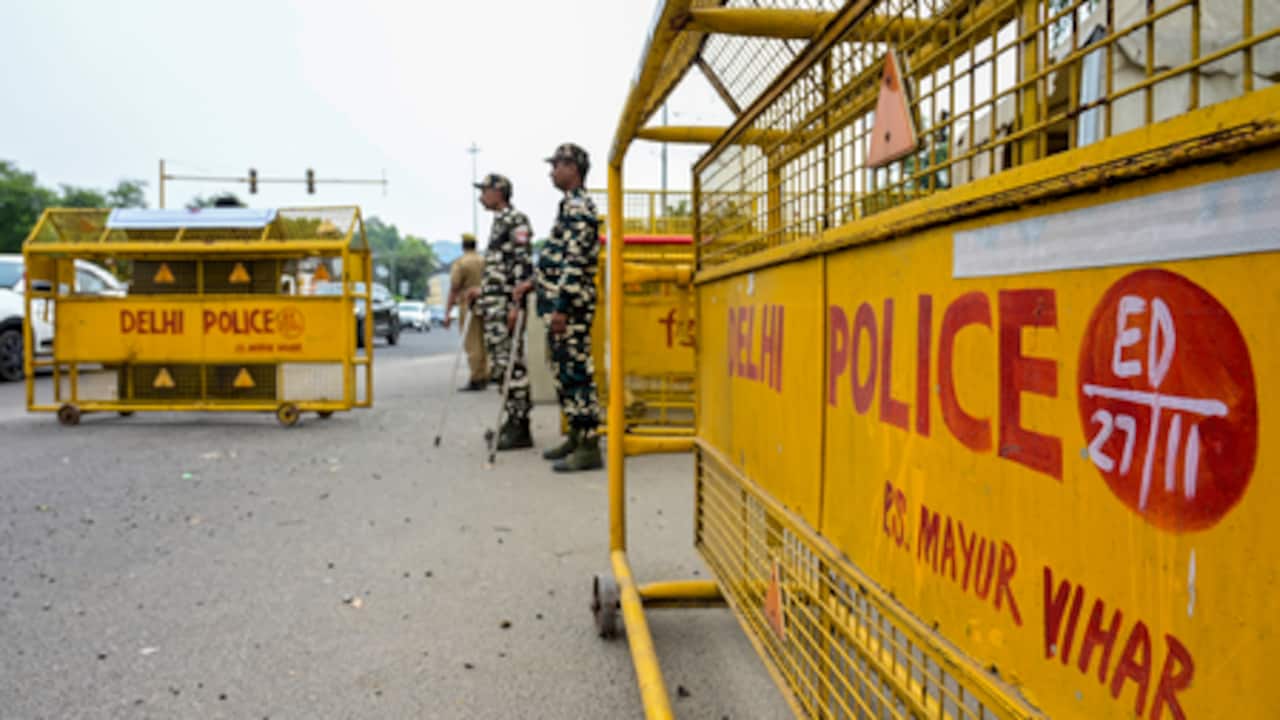
Supreme Court refuses to stop CJP's Sep 5 march, leaves law and order to agencies
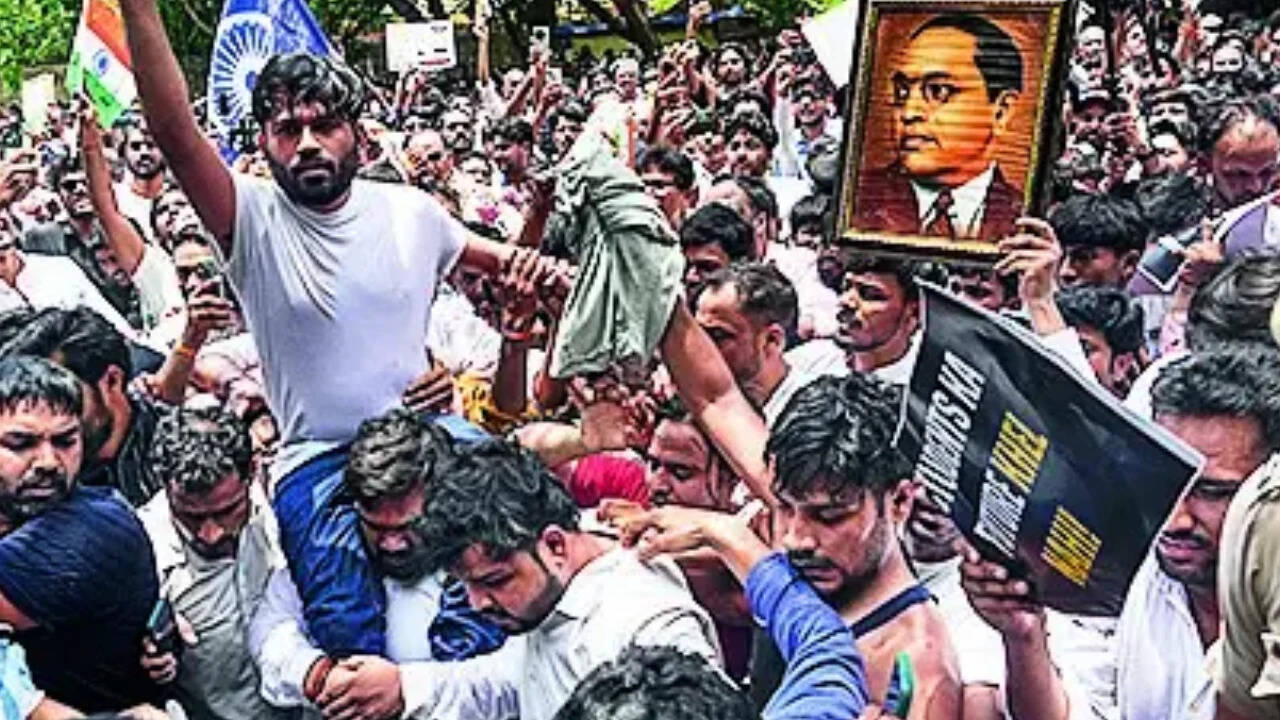
The Supreme Court on Monday declined to pass any interim order on two public interest litigations (PILs), including one filed by a retired police officer, seeking deferment of a proposed march by the organisation CJP on September 5. The petitioners had alleged that the march was intended to create lawlessness ahead of the BRICS summit scheduled in Delhi on September 12-13, which could deter world leaders from participating.
A bench comprising Justices Surya Kant, Joymalya Bagchi and V Mohana observed that there are two aspects to the matter – maintaining law and order and the policy on granting permission for protest marches. "Let the stakeholders talk to them. As of now we have no reason to doubt that everyone would act and behave in a very responsible manner and in a peaceful and lawful manner," the bench said.
The court added, "Right now, there is no compelling reason for us to presume that any wrong will happen. It is for the law enforcing agencies to ensure law and order while acting in accordance with law."
Appearing for the petitioner, advocate Syed Rizwan Ahmed submitted that no application seeking permission for the march had been filed with the authorities despite the upcoming BRICS summit. He questioned why CJP, an unregistered entity, should not follow the same process as others. "God forbid another mishap, not by CJP but by some mischievous elements, takes place, it will be covered by international media and deter participation of foreign leaders in BRICS," he said.
The bench responded that such factors should be considered by the appropriate authorities, not the court. It said, "All these factors are to be considered by some other quarters, not by us. There is nothing we can say right now. If something untoward or alarming happens, then file an application before us, provided the issue falls for determination in judicial domain."
The court issued notice to the Centre on the two PILs and directed that copies be provided to the Supreme Court-constituted High-Powered Committee headed by retired judge R Subhash Reddy as well as the office of the Solicitor General. The matter is listed for hearing on September 10, along with petitions related to the July 20 incidents during a protest march to Parliament that turned violent.
When Ahmed asked whether CJP was above the law, the bench said, "These are issues which are to be taken care of by the law and order enforcing agencies. It is their responsibility to maintain law and order. We expect both sides – protesters and law enforcing agencies – to respect, honour and follow the law of the land."
The bench also noted that no organised or identified group was before it, making it difficult to issue any direction to the organisers. Ahmed argued that CJP has no registered office, which made it difficult to serve notice. He further asked whether an unorganised body could hold the capital to ransom.
The court told the petitioner to approach the Central government and Delhi Police on the issue of lack of permission for the march. "Let them consider it," it said.