Sonam Wangchuk's Fast Over NEET Leak Draws Massive Protests in Delhi
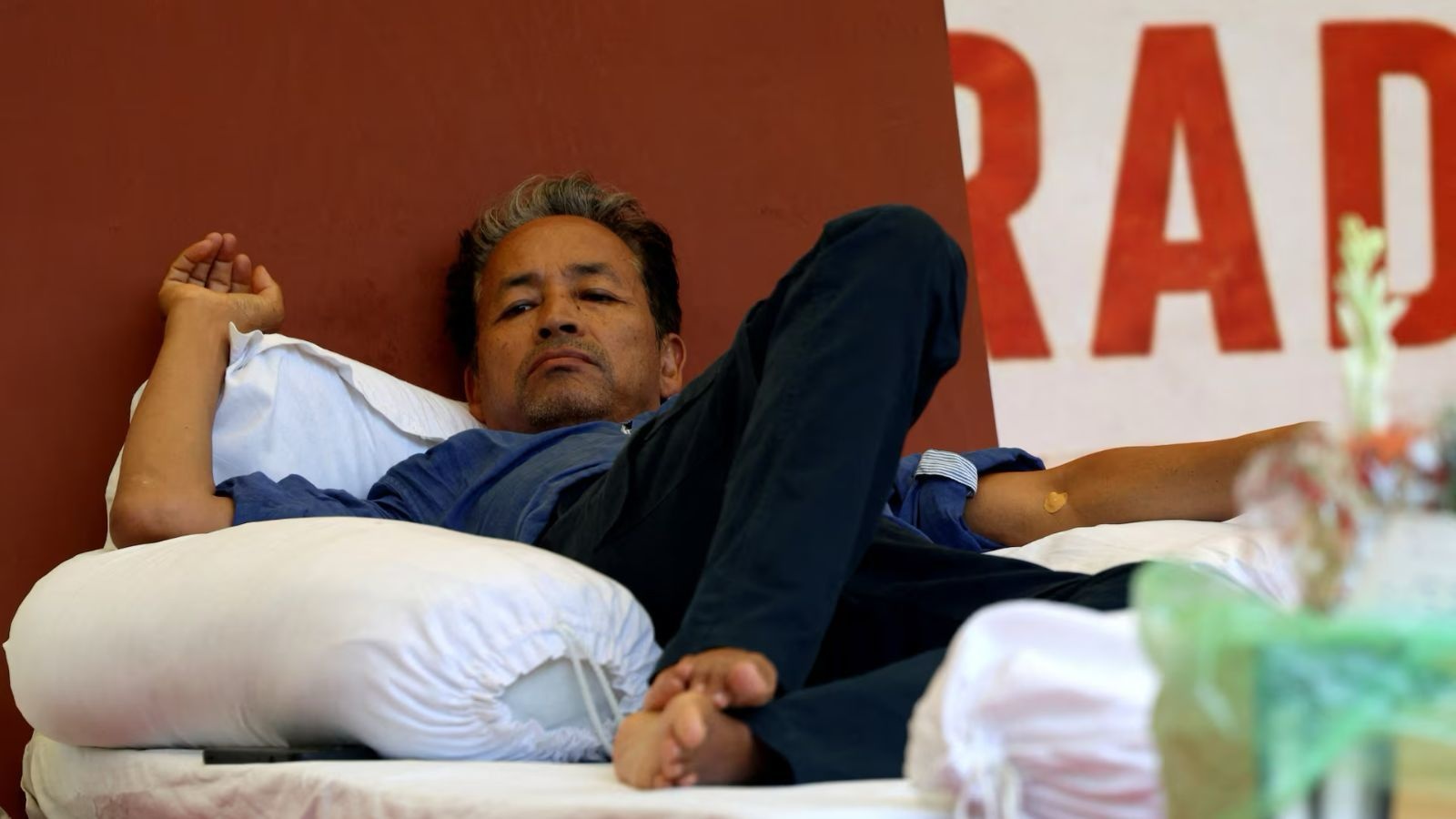
Sonam Wangchuk, the Ladakhi activist and education reform advocate, began a fast on June 28 at Jantar Mantar in New Delhi, demanding the resignation of Union Education Minister Dharmendra Pradhan over the NEET exam leak. The protest initially drew small crowds, but support swelled after Wangchuk was removed from the protest site and admitted to Safdarjung Hospital on July 18.
On July 20, as protesters attempted to march to Parliament, an estimated 50,000 people gathered, leading to clashes with police. Since then, large crowds have remained at Jantar Mantar round-the-clock, even as Wangchuk has been moved to Medanta Hospital for medical care.
The NEET exam leak, which came to light in early 2024, allegedly compromised the integrity of the medical entrance exam. Wangchuk and his supporters accuse the Education Minister of failing to prevent the leak and hold him responsible for the resulting irregularities. The government has denied any wrongdoing and initiated an investigation.
Wangchuk, known for his work in environmental conservation, education, and innovation in Ladakh, has insisted he is not a politician but a citizen fulfilling his responsibilities. His methods—non-violent civil disobedience and a fast—have drawn comparisons to historical figures like Mahatma Gandhi and Anna Hazare, though Wangchuk has asked not to be compared to Gandhi.
This movement is the latest in a series of protests in India that have gained momentum following acts of self-sacrifice by non-politicians. The pattern, observed over the past century, often involves individuals perceived as austere and committed, who have sparked mass movements. Previous examples include the anti-corruption protests led by Anna Hazare in 2011, which significantly impacted the political landscape.
As the protest continues, the government has stepped up efforts to address the crisis, with officials engaging in dialogue with Wangchuk's representatives. The outcome of this movement remains uncertain, but it has already highlighted deep concerns about exam integrity and accountability in education.