Sonam Wangchuk: Rahul Gandhi ignored plan to end my fast; Nadda, Jitendra Singh broke promise
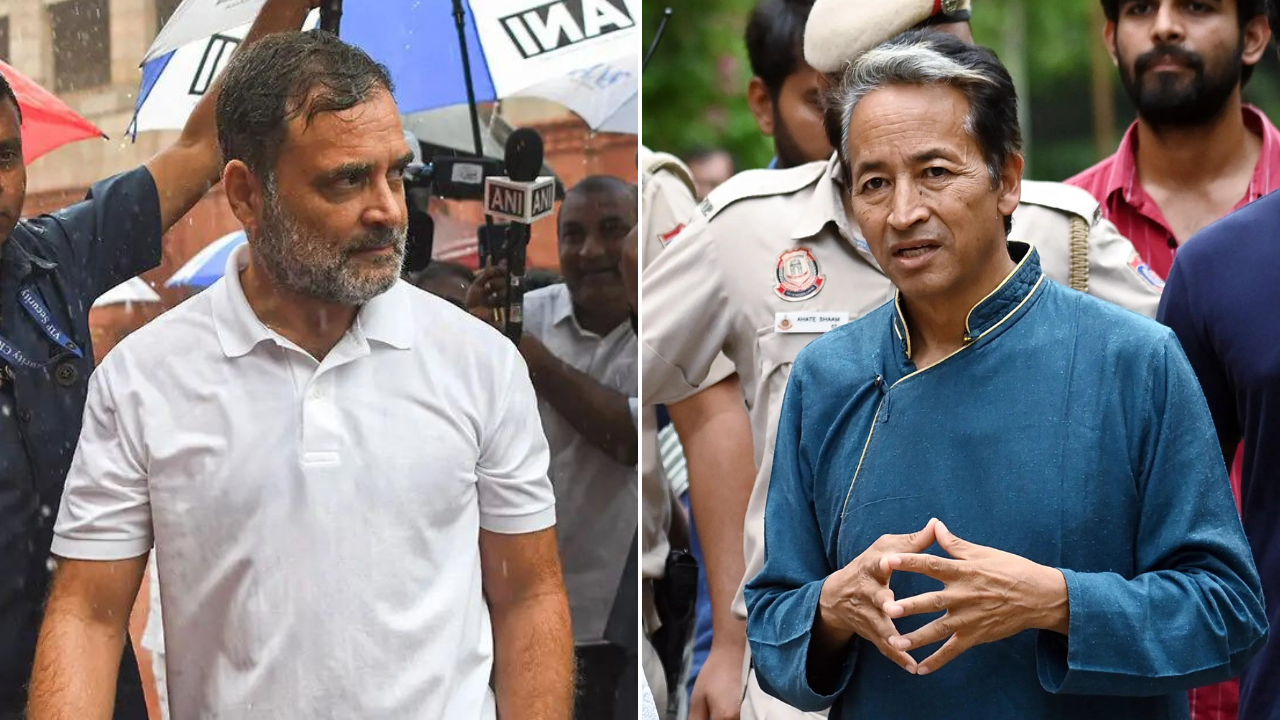
Ladakh-based education reformer and climate activist Sonam Wangchuk has made fresh allegations about the handling of his recent hunger strike, claiming that Congress leader Rahul Gandhi ignored a plan that could have ended it. In a statement, Wangchuk also accused Union ministers JP Nadda and Jitendra Singh of violating a promise by releasing photographs of them offering him soup before he could formally announce the end of his fast.
Wangchuk, a well-known figure in the Himalayan region, has long been an advocate for the preservation of Ladakh's unique culture, environment, and constitutional rights. He is the founder of SECMOL (Students' Educational and Cultural Movement of Ladakh) and the creator of the ‘Ice Stupa’ artificial glacier technique, which addresses water scarcity in mountain communities. His hunger strike, which drew national attention, was part of a broader movement demanding greater political representation and constitutional safeguards for Ladakh.
According to Wangchuk, a specific proposal was prepared that would have allowed him to end the fast without any loss of face or compromise on core demands. However, he said that Rahul Gandhi, who had been in communication with him, did not respond to or act on that plan. Wangchuk did not disclose the details of the proposal or the nature of his communication with Gandhi, but suggested that the lack of attention prolonged his protest unnecessarily.
Separately, Wangchuk accused BJP president JP Nadda and Union Minister Jitendra Singh of breaking their undertaking. He claimed that the two ministers had assured him that photos of them offering him soup at the hospital would not be made public until he could himself announce the conclusion of the fast. The images, however, were released earlier, which Wangchuk described as a breach of trust.
The hunger strike took place against the backdrop of uncertainty over Ladakh's political future. Ladakh was reorganized into a Union Territory in 2019 without a legislature, and local organizations have been demanding that it be placed under the Sixth Schedule of the Constitution to protect tribal rights and ensure administrative autonomy. These demands have also included statehood, environmental protections for fragile mountain ecosystems, and a meaningful voice for the region's people in decision-making.
Neither Rahul Gandhi nor ministers Nadda and Jitendra Singh have yet responded to Wangchuk's latest allegations. The absence of immediate comment leaves the claims unverified. Wangchuk’s statement adds another layer to the political discourse around the handling of his protest, which had already raised questions about the coordination between the central government, opposition parties, and civil society groups.
The sequence of events surrounding the conclusion of the fast remains a matter of public debate. Some observers say the episode highlights the complex dynamics between protest movements and political establishments, where communication gaps and perception issues can become as significant as the demands themselves. Others note that the release of the photographs may have been intended to show compassion on the part of the government, but the dispute over timing has opened it to criticism of insensitivity.
Wangchuk has not yet announced any new action or protest. He has, however, stated that he will continue to work for Ladakh's rights and has urged supporters to remain focused on the core issues. The allegations against Rahul Gandhi and the two ministers will likely be examined in the coming days, either through official responses or further clarifications from the activist.
This is a developing story. This publication will report any statements from the concerned leaders or new information about the plan Wangchuk says was ignored. Readers are advised to rely on verified sources for updates.