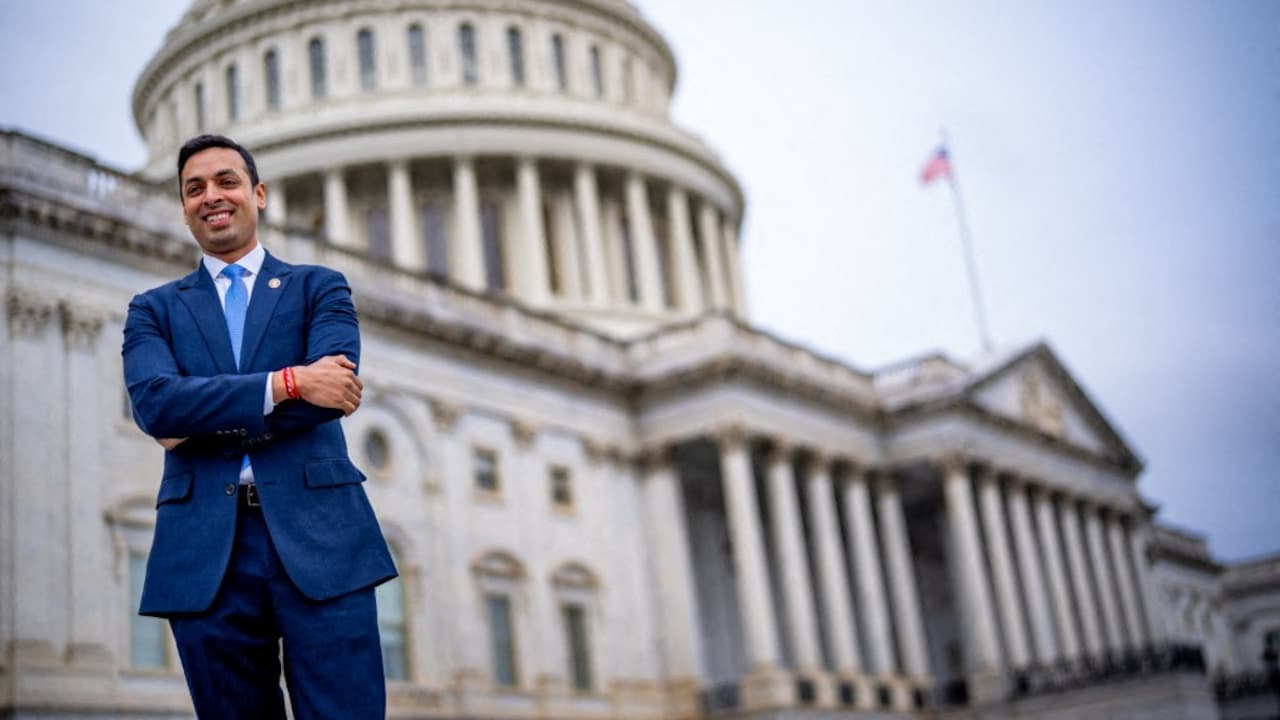
West Bengal Reworks School Syllabus: Mookerjee Lessons In, Singur and Kanyashree Chapters Out
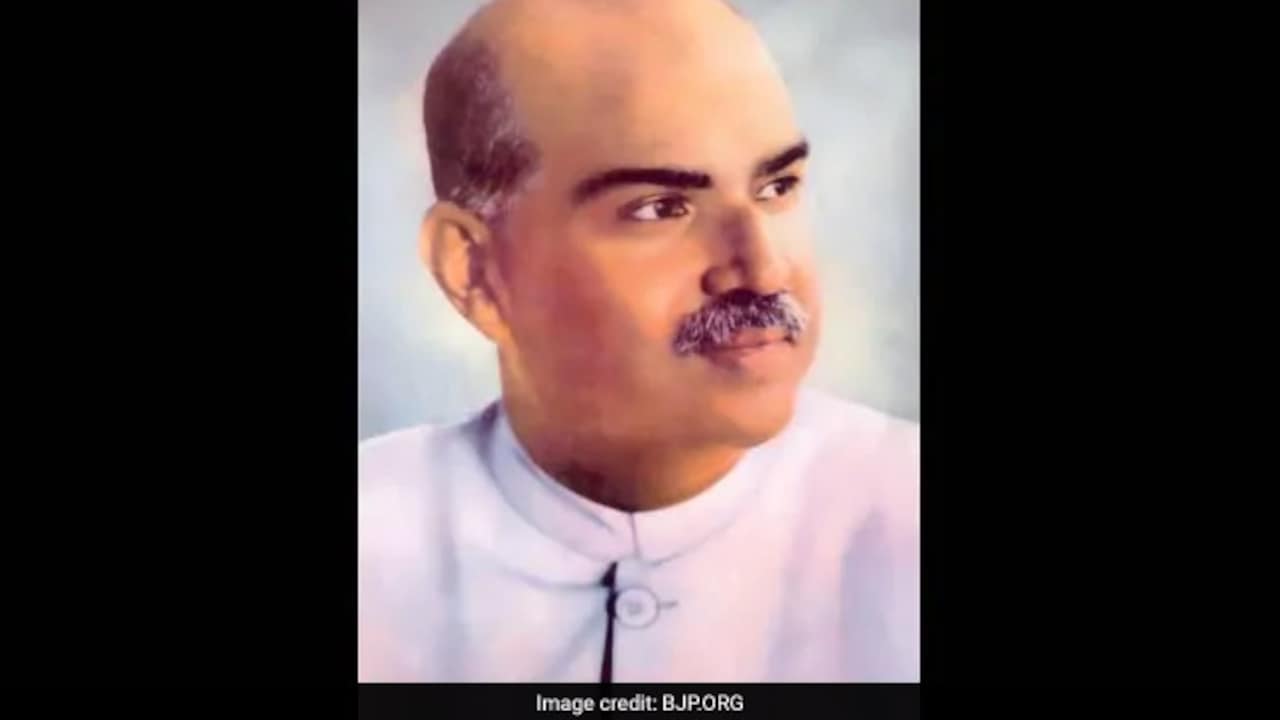
The West Bengal government will introduce lessons on the life and contributions of Syama Prasad Mookerjee, founder of the Bharatiya Jana Sangh, in school textbooks and drop the chapter on the Singur anti-land acquisition movement, School Education Minister Deepak Barman said on Wednesday.
The revised syllabus, prepared by a committee, will place greater emphasis on the State's history and its prominent personalities, the Minister told reporters. "Mookerjee will find a mention in every textbook, with a brief introduction to his life and contributions," he said.
Syama Prasad Mookerjee (1901-1953) was an educationist, barrister and politician who served as Vice-Chancellor of Calcutta University and as a Minister in the interim government and later in Jawaharlal Nehru's Cabinet, holding the industry and supply portfolio. He resigned from the Cabinet in 1950 over the Delhi Pact with Pakistan and founded the Bharatiya Jana Sangh in 1951, a party widely regarded as a predecessor of the Bharatiya Janata Party. He died in 1953 while under detention in Jammu and Kashmir.
The chapter on the Singur movement, which was part of the Class 8 syllabus, has been dropped. The movement, which began in 2006, saw farmers and political parties protest against the acquisition of farmland in Hooghly district for a Tata Motors car factory. The plant was eventually shifted to Gujarat in 2008, and the episode remains one of the most closely studied episodes of land-acquisition politics in the State.
The committee has also recommended removing from Class 6 textbooks the chapter on the Kanyashree scheme, a conditional cash transfer programme for adolescent girls launched by the previous Trinamool Congress government in 2013. The scheme, which offers annual payments to girls who remain unmarried and in school, received a United Nations Public Service Award in 2017. The Minister did not specify the reasons for dropping the two chapters.
School textbooks in West Bengal have been a politically sensitive subject, with successive governments facing accusations from opponents of shaping the syllabus to suit their own record. Both the Singur movement and the Kanyashree scheme are closely associated with the previous administration.
Several other changes were announced. Information and Communication Technology will be introduced as a structured subject for students of Classes 5 to 8, with a prescribed syllabus. Third-language textbooks will be introduced for Classes 7 and 8. The complete text of 'Vande Mataram' will be printed at the beginning of each textbook, and the quality of textbook paper has been improved, the Minister said.
On the demand to remove the "no-detention" policy up to Class 9 — under which students are not held back in a class — Mr. Barman said discussions were under way and a decision was expected shortly.
The government is also considering rescheduling the 2027 Madhyamik and Higher Secondary examinations to avoid a clash with the Census exercise, which will require the deployment of schoolteachers.
The West Bengal Board of Secondary Education (WBBSE) has proposed holding the Madhyamik (Class 10) examinations from March 2 to 16, instead of the earlier schedule of February 15 to 25. The West Bengal Council of Higher Secondary Education (WBCHSE) is expected to propose holding the fourth-semester Higher Secondary examinations after March 16, instead of the tentative January 22-February 23 schedule.
Mr. Barman said the proposals had been received and revised examination dates would be announced by next week.