Sikkim Proposes Three Engineering Solutions to Reduce Glacial Lake Flood Risk
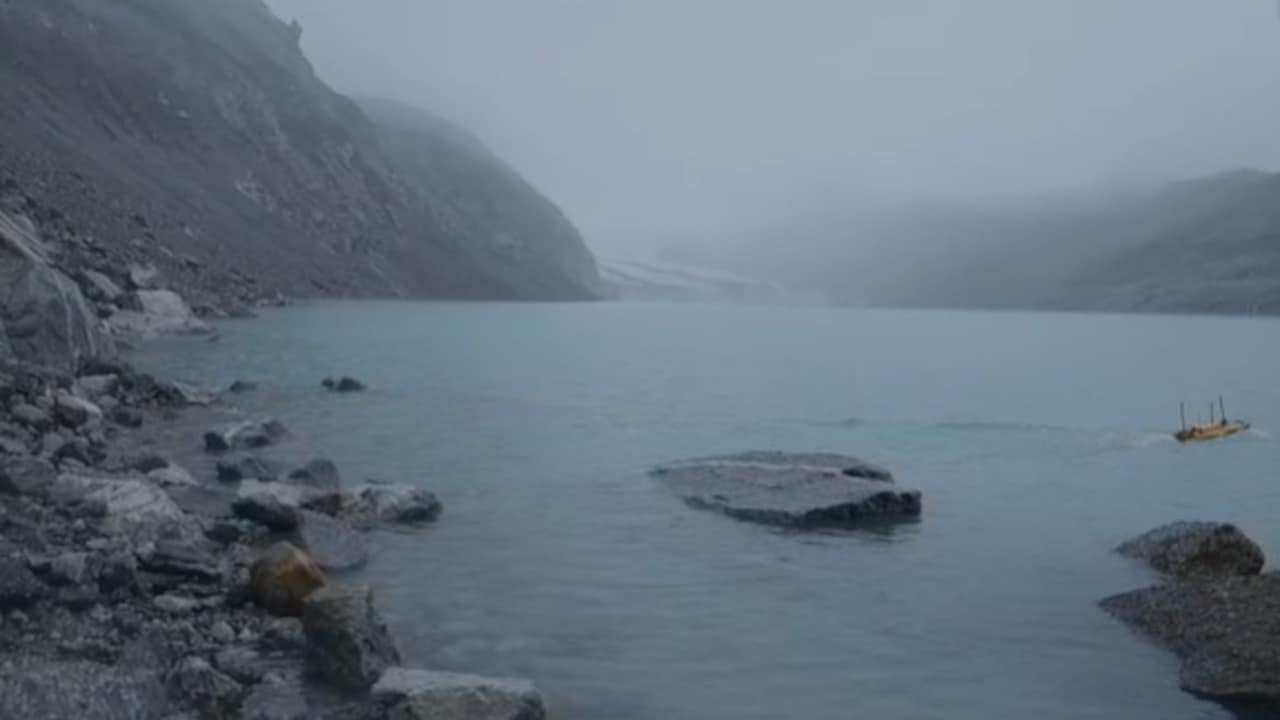
In the wake of the devastating October 2023 glacial lake outburst flood (GLOF) that swept through the Teesta River basin, the Sikkim government has formulated a three-pronged engineering strategy to mitigate future risks. The proposals focus on structurally addressing the vulnerability of glacial lakes nestled in the Himalayan state, which are growing in size and number due to climate change.
State officials, who requested not to be named because the plans are yet to be formally approved, indicated that the three approaches are at various stages of technical assessment. These involve measures to lower water levels in the most hazardous lakes, strengthen their natural moraine dams, and create alternative channels to safely discharge excess water.
The first approach involves controlled lowering of lake levels. Many glacial lakes in Sikkim are dammed by loose moraine material — a mix of rock and debris left behind by retreating glaciers. This material is often unstable and can breach suddenly. By installing siphons, pumps, or cut-off channels, authorities can gradually reduce the water volume, thereby lessening the pressure on the dam. Studies in other Himalayan regions, such as the successful lowering of Lake Imja in Nepal, have shown this method effective.
The second proposal focuses on reinforcing the moraine dams themselves. This can be done by constructing spillways, armouring the dam surface with concrete or rocks, or compacting the loose material. The goal is to prevent the dam from being overtopped or eroded during a sudden influx of water. However, engineers note that such work at altitudes of 4,000 to 5,000 metres is logistically challenging and requires long-term maintenance.
The third engineering intervention is the creation of artificial drainage or bypass tunnels. In this method, a controlled outlet is constructed through or around the moraine, allowing water to be released at a calculated rate. This not only lowers the lake level but also ensures that even if the dam suddenly collapses, the water flows through a designed path rather than inundating downstream valleys. Some experts see this as the most reliable, albeit expensive, solution.
Glacial lakes are a growing threat across the Himalayas. A 2023 inventory by the Central Water Commission identified several potentially dangerous lakes in Sikkim. The South Lhonak Lake, which burst in October 2023, had been expanding rapidly for decades. The resulting flood destroyed infrastructure, including major hydroelectric projects, and caused extensive loss of life and property.
Environmental and disaster management specialists stress that engineering solutions alone are insufficient. Early warning systems that monitor lake levels and weather, along with community evacuation plans, are vital to reducing casualties. After the 2023 disaster, several autonomous early warning systems were installed on rivers like Teesta and Rangit, but officials admit more are needed.
The financial cost of implementing these three engineering measures across multiple lakes could run into hundreds of crores. The Sikkim government is seeking assistance from the National Disaster Management Authority and technical cooperation from organisations such as the International Centre for Integrated Mountain Development (ICIMOD). The proposals are also part of a broader national plan to map and adapt to glacial lake risks in the Himalayan states.
Local communities in the affected valleys have welcomed the move but urged transparency in prioritising which lakes receive immediate attention. They are yet to see concrete timelines. Officials say a high-level committee is currently completing a feasibility study, and a policy paper is expected to be placed before the state cabinet in the coming months.
For now, the three proposals represent a significant shift toward structural preparedness. While they do not eliminate the risk of future glacial lake failure, they aim to reduce its severity. The challenge lies in execution — scaling engineering at extreme altitudes, monitoring remote locations, and ensuring that the measures do not harm the sensitive mountain environment.