Saudi-US nuclear deal: A new chapter in Middle East power dynamics
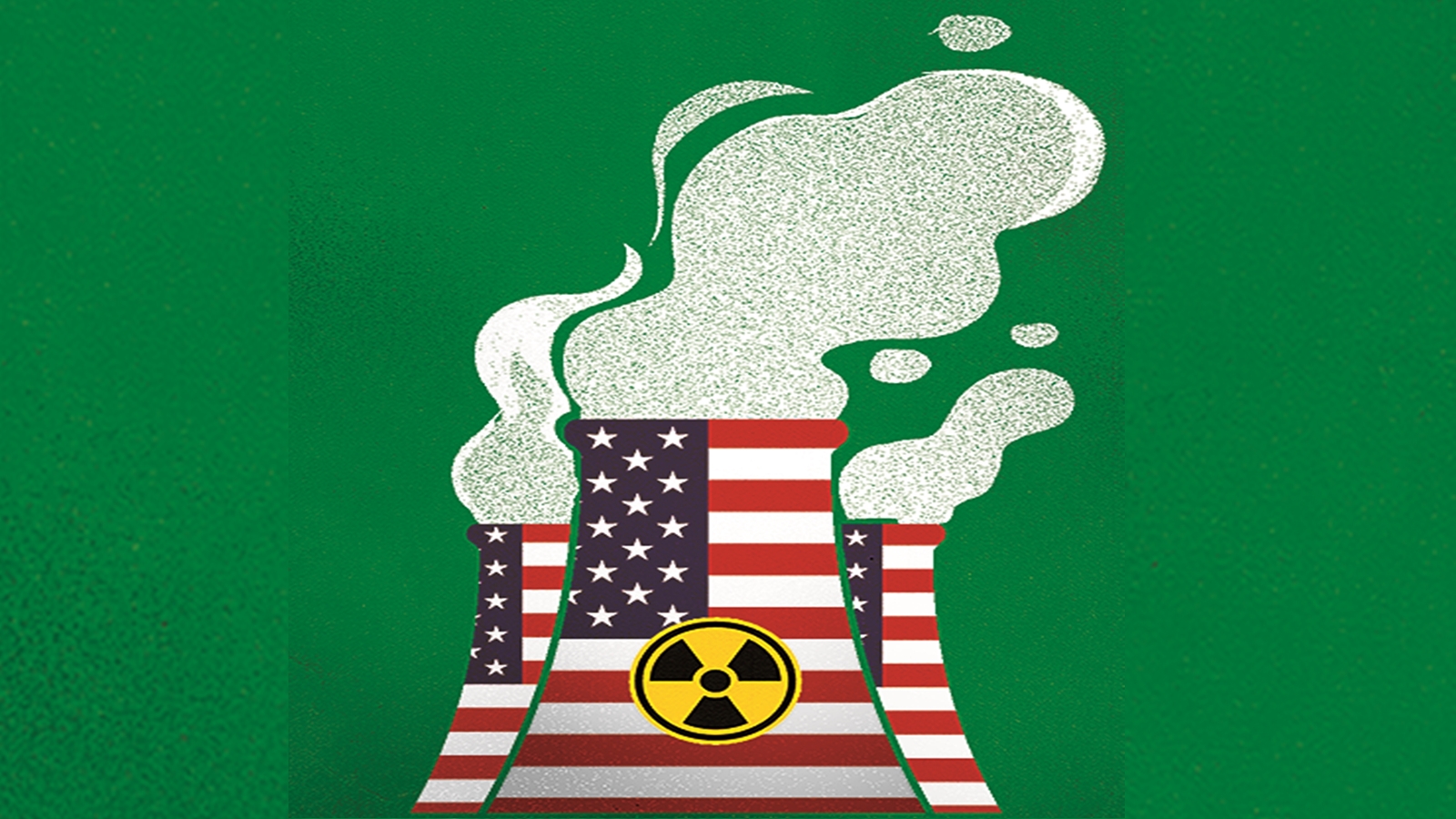
The United States and Saudi Arabia are reportedly close to finalising a civilian nuclear cooperation agreement, part of a broader diplomatic effort to normalise relations between Saudi Arabia and Israel. The deal, if concluded, would mark a significant shift in Middle Eastern geopolitics, with potential implications for nuclear non-proliferation, regional rivalries, and the balance of power.
Under the proposed agreement, the US would provide civilian nuclear technology to Saudi Arabia, which frames the move as part of its Vision 2030 economic transformation plan aimed at diversifying energy sources. The US insists that any deal would include strict non-proliferation conditions, prohibiting enrichment and reprocessing of nuclear material. However, the agreement comes amid heightened tension with Iran and follows the US withdrawal from the 2015 Iran nuclear deal, officially known as the Joint Comprehensive Plan of Action (JCPOA).
Critics argue that the deal could undermine global non-proliferation efforts. The JCPOA was built on the principle of limiting nuclear activities in the region to prevent an arms race. The Saudi-US agreement, by contrast, could be perceived as rewarding a US ally with nuclear technology while penalising Iran, potentially encouraging other nations to pursue similar arrangements. Iran has already accused the US of double standards, warning that it will accelerate its own nuclear programme if the deal goes ahead.
The Saudi-Iranian rivalry, a key driver of conflict in the Middle East, adds a sectarian dimension to the nuclear issue. Both countries have been engaged in proxy wars across Yemen, Syria, and Iraq. A nuclear-capable Saudi Arabia could shift the strategic calculus, prompting Iran to seek further nuclear advances. This could lead to a regional arms race, increasing the risk of confrontation.
For Israel, the deal presents a complex challenge. While Israel shares Saudi opposition to Iran's nuclear ambitions, it has long maintained a policy of preserving its own regional military edge. A nuclear Saudi Arabia, even if civilian, could be seen as a threat. Israeli officials have expressed concern but have not publicly opposed the deal, likely due to the parallel normalisation process.
The agreement is subject to US Congressional approval and may face opposition from lawmakers who worry about proliferation risks. The Trump administration has pushed for a quick resolution, but the deal's future remains uncertain given changing political dynamics in Washington.
In summary, the Saudi-US nuclear deal represents a pivot in US Middle East policy, prioritising strategic alliances over non-proliferation consistency. Its long-term consequences will depend on how Iran, Israel, and other regional players react. The international community will be watching closely, as the deal tests the resilience of the global nuclear order.