Saudi Arabia intercepts drones from Iraqi militias, reserves right to respond
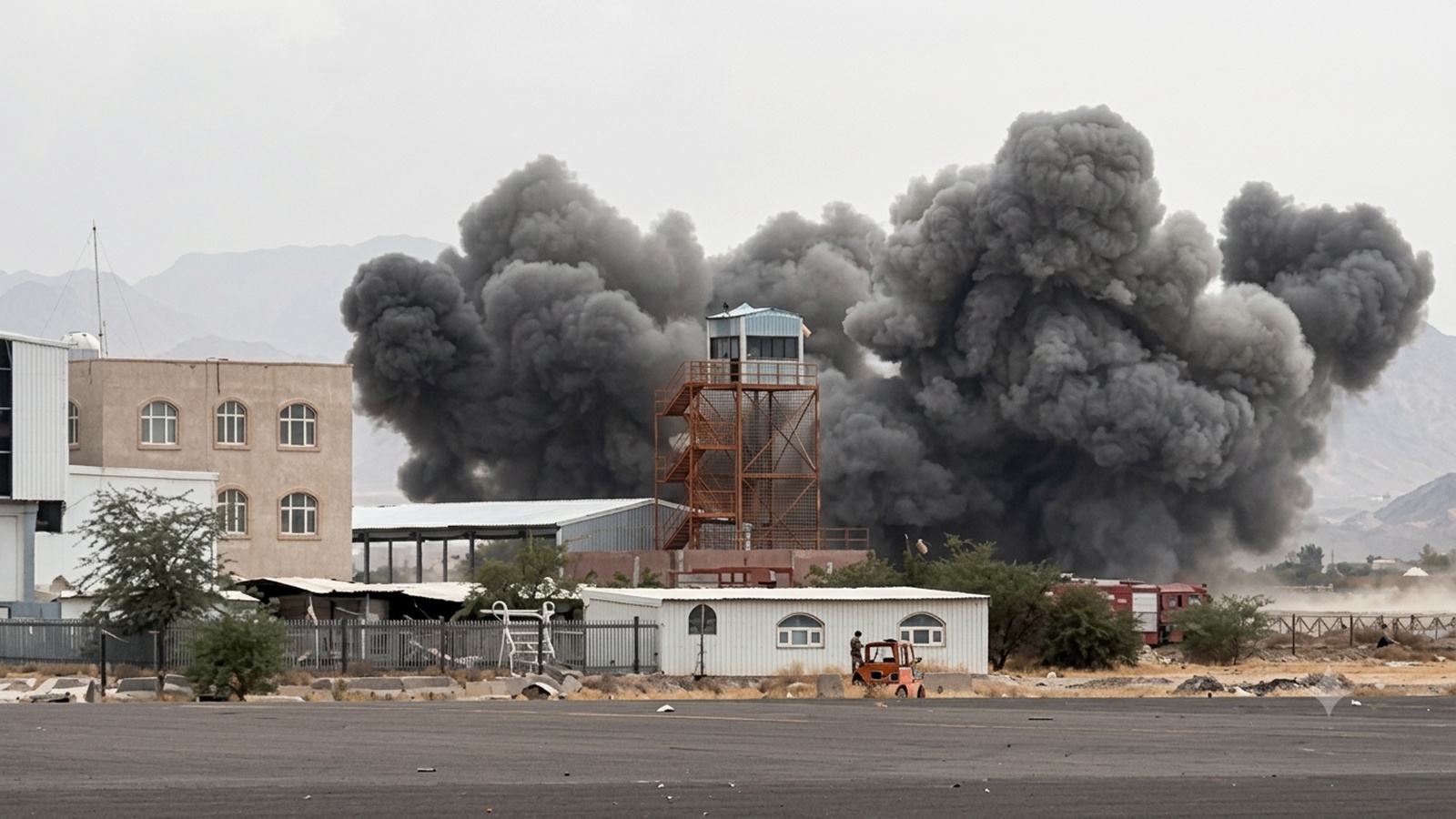
Saudi Arabia's defence ministry announced on Monday that its military shot down drones launched by Iran-aligned militias in Iraq, which were reportedly targeting the kingdom's petroleum facilities. The incident underscores the potential for escalation in West Asia as tensions persist between regional powers.
The ministry's statement, posted on social media, did not mention any casualties or damage. Saudi Arabia's foreign ministry declared that the kingdom retains the right to respond, as reported by Reuters. “Saudi Arabia reserves its legitimate right to defend itself, its territory and critical infrastructure, and retains the right to respond at the appropriate time and place,” the ministry said.
The drones were allegedly fired by an armed group in Iraq that has ties to Iran. While the specific group was not named, such attacks have occurred sporadically since the outbreak of the Israel-Hamas conflict in October 2023, raising concerns about a broader regional war.
This development follows years of proxy confrontations between Saudi Arabia and Iran, who support opposing sides in conflicts across Yemen, Syria, Iraq, and Lebanon. The drone interception comes amid heightened tensions following attacks on Saudi oil facilities in 2019, which Riyadh and Washington attributed to Iran—a charge Tehran denied.
The incident also occurs against the backdrop of ongoing negotiations between Saudi Arabia and Iran, facilitated by China, which led to a rapprochement deal in March 2023. However, recent attacks suggest that underlying frictions remain, particularly through Iran-aligned proxies.
No group immediately claimed responsibility for the attempted drone strike. Iraqi authorities have not commented on the matter. The drone interception highlights the fragility of stability in the region and the complex network of alliances and hostilities.
The United States, which maintains military bases in Iraq and Saudi Arabia, has called for restraint. A U.S. State Department spokesperson urged all parties to avoid actions that could escalate tensions. Meanwhile, Iran has not officially reacted to the incident.
Observers note that while direct military confrontation between Saudi Arabia and Iran has been avoided, proxy attacks continue to test the limits of the détente. The situation remains fluid, with potential implications for global energy markets given Saudi Arabia's role as a leading oil exporter.
The Saudi defence ministry did not specify the number of drones intercepted or their exact flight path. Further details are awaited.