Sajjan Kumar 'role model' row: Haryana Congress leader asks Kharge to remove Hooda from CWC
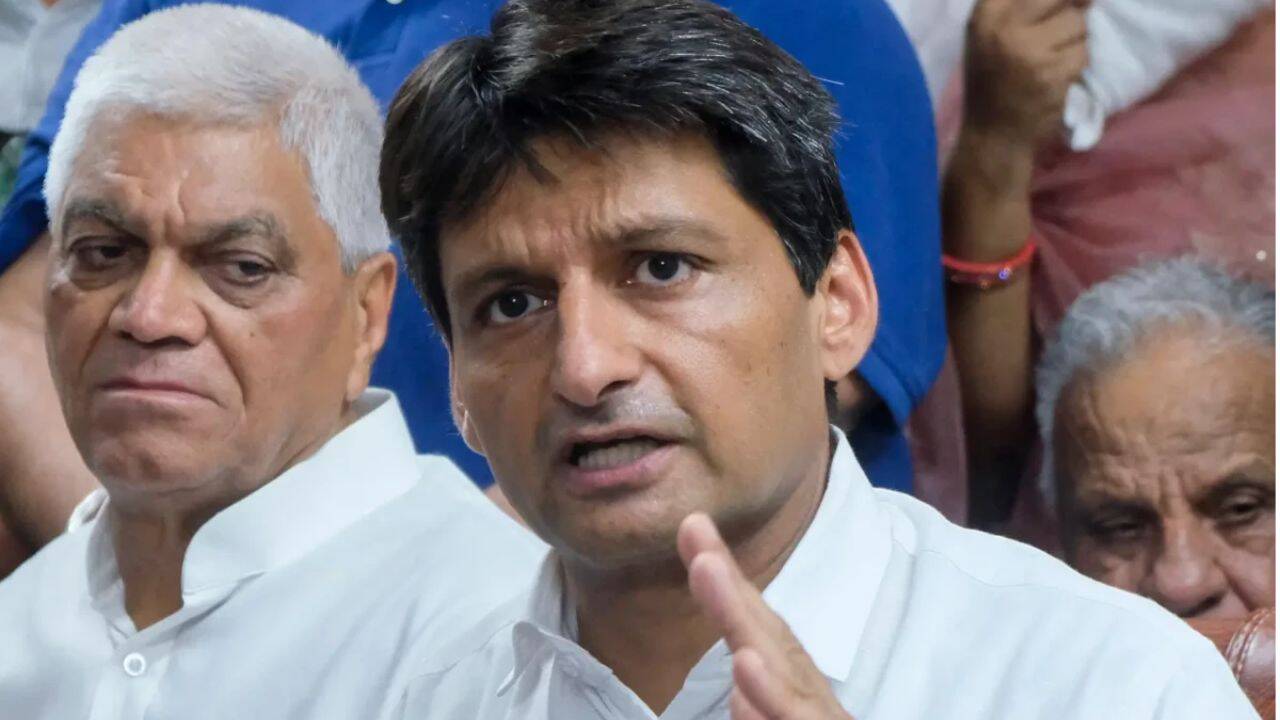
The Haryana unit of the Indian National Congress has been thrown into a fresh controversy after a party leader referred to Sajjan Kumar — a former Congress MP convicted in the 1984 anti-Sikh riots — as a “role model”. The remark has prompted another Haryana Congress leader to demand the removal of senior party functionary Bhupinder Hooda from the Congress Working Committee (CWC).
The demand was reportedly made in a letter addressed to Congress president Mallikarjun Kharge. The letter, drafted by a dissident leader, argues that Hooda’s continued presence in the party’s highest decision-making body is indefensible in the wake of the controversial statement. It also calls on Kharge to take a firm stand against such remarks, which allegedly tarnish the party’s secular credentials.
The controversy centres on Sajjan Kumar, who was convicted and sentenced to life imprisonment in cases related to the 1984 anti-Sikh riots. The riots, which erupted after the assassination of then Prime Minister Indira Gandhi, resulted in the deaths of thousands of Sikhs across India. Kumar, a former Lok Sabha MP from Outer Delhi, was found guilty of participating in the violence. He is currently out on bail, pending appeal in the Supreme Court.
The description of Kumar as a “role model” has drawn widespread condemnation from Sikh organisations, civil society groups, and political rivals. Many have interpreted the remark as an affront to the victims of the riots and a disregard for judicial verdicts. In Haryana, which has a significant Sikh population, the issue is politically sensitive and could have electoral ramifications.
The demand for Hooda’s removal from the CWC is seen as an escalation of the long-simmering factional feud within the Haryana Congress. Hooda, a former Chief Minister, is one of the party’s most prominent leaders in the state, but his leadership has often been contested by rival factions. The current controversy provides an opportunity for his political opponents within the party to question his judgement and leadership.
Neither Hooda nor the Congress high command has issued an official response to the demand so far. However, party insiders suggest that the matter could come up for discussion in the coming days. The Congress party, which has been struggling to position itself as a principled opposition, is likely to face pressure to clarify its stance on the issue.
Analysts point out that the reference to a convicted individual as a moral exemplar is at odds with the party’s stated commitment to constitutional values and the rule of law. The party has previously distanced itself from Sajjan Kumar and his actions, but the latest remark threatens to reignite questions about the party’s historical association with figures implicated in the riots.
The development also underscores the internal challenges facing the Congress as it prepares for upcoming electoral battles. While the party has sought to project unity at the national level, state-level rivalries continue to surface, often overshadowing policy issues. The Haryana episode is a reminder that internal discipline and adherence to democratic principles are essential for the party’s credibility.
As the story unfolds, all eyes are on Mallikarjun Kharge’s response to the demand. Whether he chooses to act against Hooda or attempts to broker a compromise, his decision will be closely watched by both supporters and critics. The outcome is likely to set a precedent for how the party handles similar controversies in the future.