Rijiju invokes Manmohan Singh to defend Modi's 'dimagi naxal' remark; opposition reacts
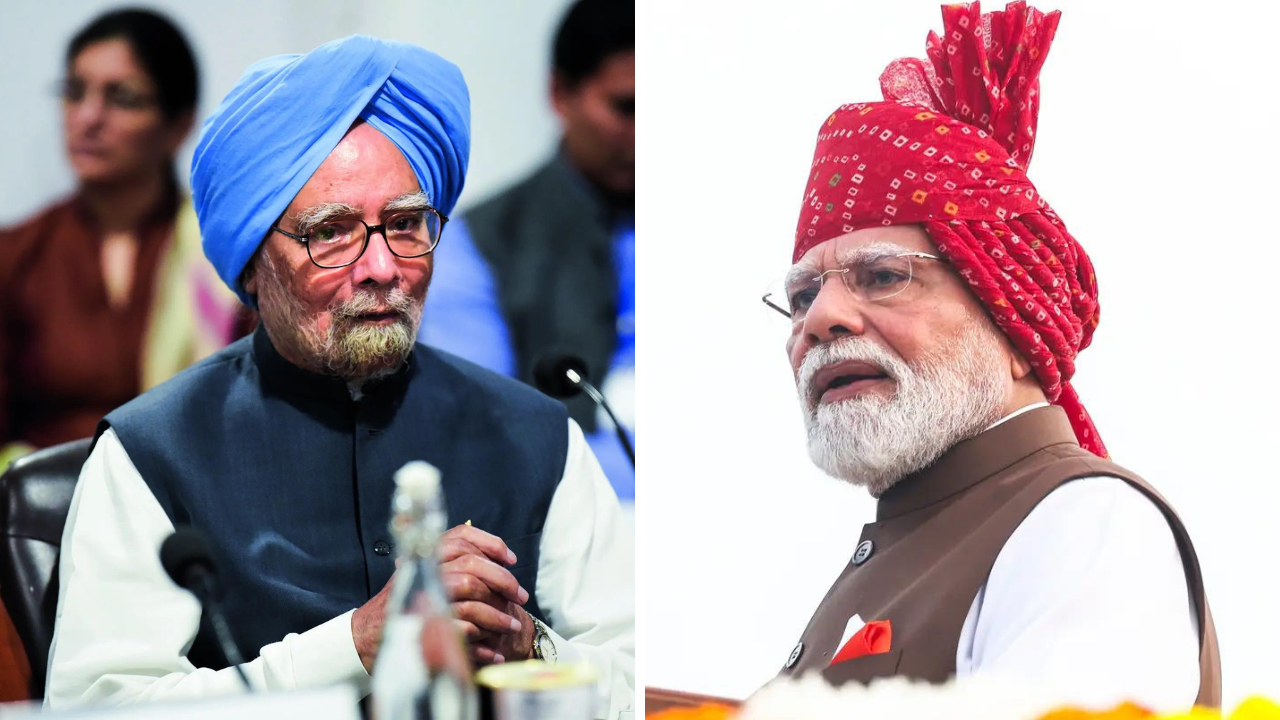
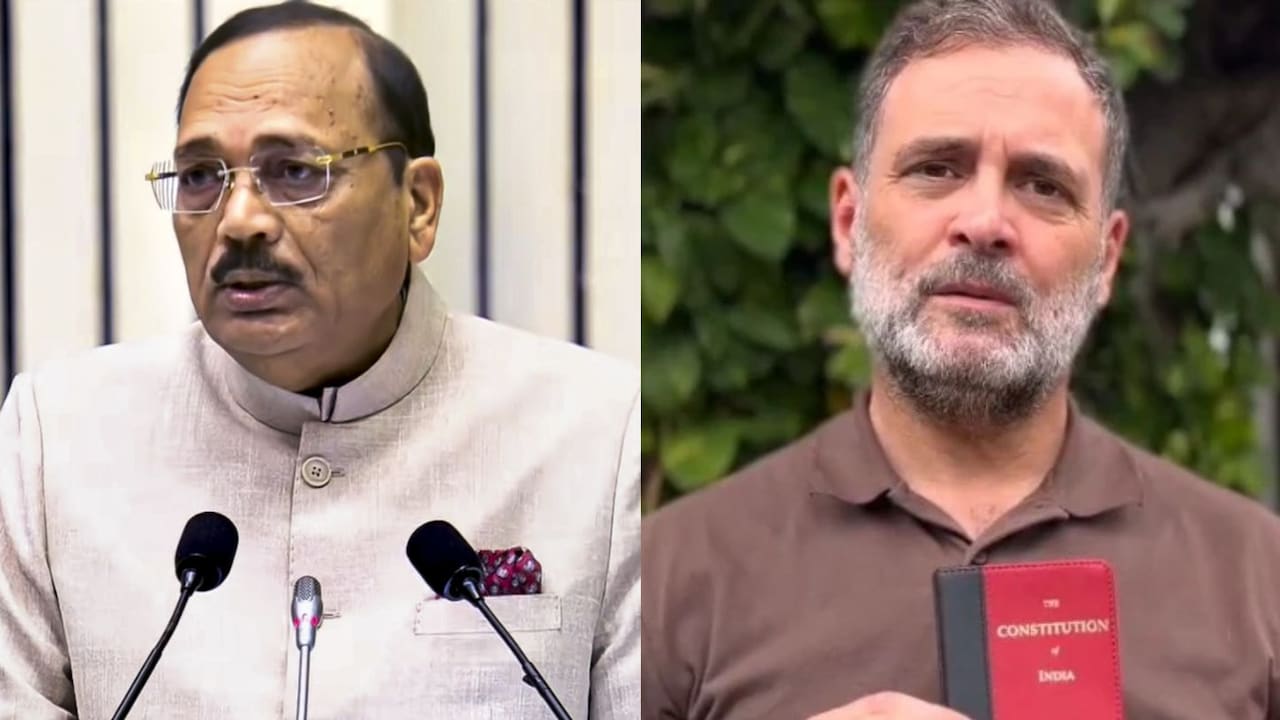
Union Minister Kiren Rijiju has come out in support of Prime Minister Narendra Modi's controversial remark referring to certain critics as "dimagi naxal," invoking former Prime Minister Manmohan Singh's stance on Naxalism to bolster his defence. Rijiju, the Minister of Parliamentary Affairs, said that those who fall in the category of "dimagi naxal" are driven by Maoist ideology and are opposed to the Indian Constitution. He added that such individuals "must apologise" for their stance.
The minister's comments were aimed at quelling the political storm that erupted after Modi used the phrase during a recent public address. While the Prime Minister did not name anyone, it was widely interpreted as a jibe at opposition figures and intellectuals who have been critical of the government. The term "dimagi naxal," which translates to "intellectual Naxal," is an extension of the earlier coinage "urban naxal," used to describe activists and professionals allegedly sympathetic to Maoist insurgency.
Rijiju pointed out that Manmohan Singh, a Congress leader himself, had often spoken about the dangers of Naxalism and had called it one of the greatest internal security challenges for the country. By referencing Singh, Rijiju appeared to argue that the concern about Maoist influence extended beyond the present government and was a matter of national consensus. He questioned why there was an uproar when the Prime Minister used a term that he maintained was a truthful description of certain anti-national attitudes.
The defence was immediately rejected by the opposition. Congress leader Jairam Ramesh, a former Union Minister, recalled the controversy over "urban naxal" and alleged that the Bharatiya Janata Party was systematically using denigrating labels to target its opponents. He said calling someone a "dimagi naxal" was an attempt to delegitimise democratic dissent and create a climate of fear. Ramesh also demanded that the government stop what he called "the politics of abuse."
In a rather unexpected response, former Delhi Chief Minister Arvind Kejriwal of the Aam Aadmi Party chose to embrace the term. In a post on social media, he said he was a "proud dimagi naxal" and asserted that his love for the country was unwavering. Political observers saw this as a strategic move to undermine the label by accepting it with irony.
The controversy over the phrase has once again brought to the fore the issue of how political language can influence public discourse. Critics argue that branding ideological opponents as "Naxals" is an attempt to paint them as traitors and enemies of the state, which could have a chilling effect on dissent. Supporters of the government, however, contend that the term is directed at those who have shown sympathy for violent movements and is therefore justified.
The invocation of Manmohan Singh, known for his measured and academic demeanour, adds an interesting layer to the debate. Singh, as Prime Minister, had indeed acknowledged the gravity of the Naxal problem, and his government had implemented policies to address Maoist violence. Rijiju's use of Singh's legacy is an attempt to show that the current administration is not alone in considering this a serious issue.
The political fallout of the remark is unlikely to settle soon, with both sides digging in. The opposition sees it as another instance of the government's intolerance towards criticism, while the ruling party views the outrage as manufactured. As the debate progresses, the nation is witnessing yet another chapter in the ongoing clash over the limits of free speech in a democracy.