Return Exams to States in Federalism Spirit: Omar Abdullah to Centre
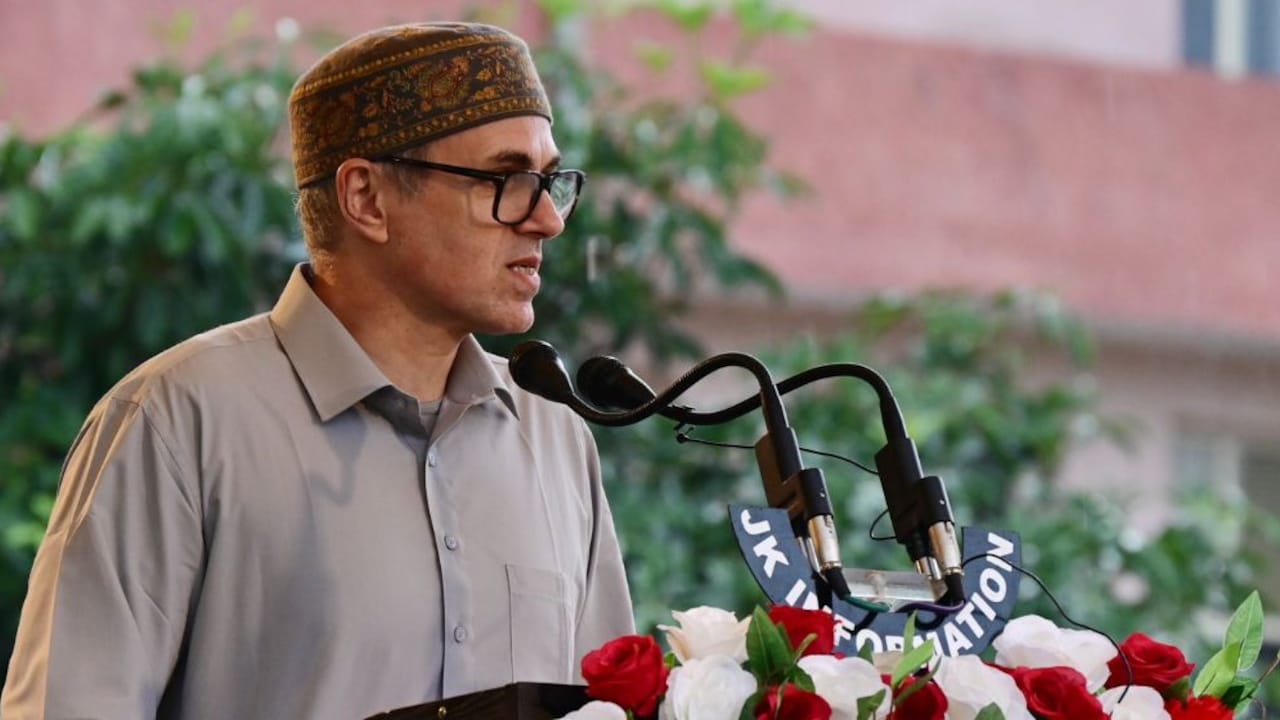
Srinagar, August 16: Jammu and Kashmir Chief Minister Omar Abdullah on Wednesday urged the Union government to restore control of national entrance examinations such as NEET and JEE to state governments, arguing that education and health are subjects that fall under the state list in India's federal structure.
Speaking at an Independence Day function at Srinagar's Bakshi Stadium, Abdullah said the recent student protests in Delhi over exam irregularities were a consequence of the Centre's 'overreach' into domains that constitutionally belong to states. He asked the Centre to return these matters to states 'in the true spirit of federalism.'
"Democracy and federalism are basic pillars of our constitution. It's not a question of restoring our statehood and special status alone. All matters that fall under the state list must be restored to all states," Abdullah said.
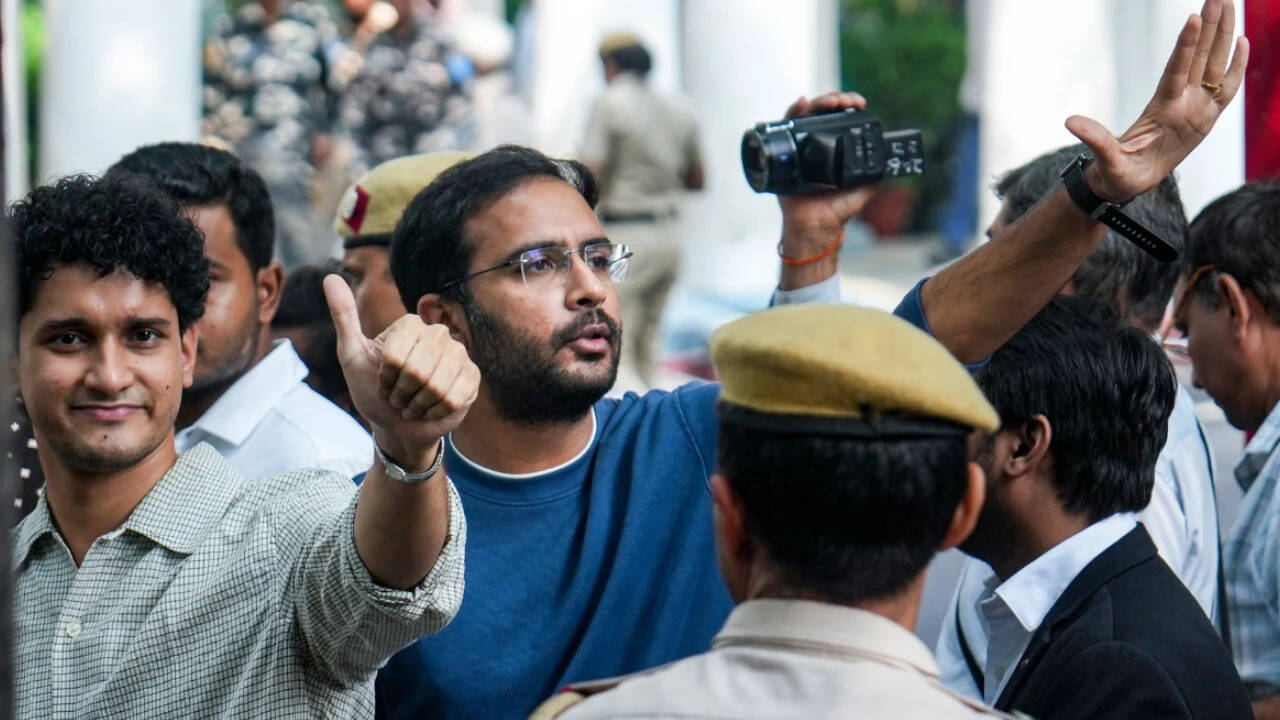
His remarks come amid a month-long agitation in the national capital over alleged paper leaks in the NEET-UG and UGC-NET examinations. The protests, initially organised by a satirical group called Cockroach Janta Party, later drew support from Ladakh activist Sonam Wangchuk, who staged an indefinite hunger strike that ended this week.
Abdullah argued that the Union government should retain control only over exams for national institutions such as the IITs and IIMs. "All the exams that were held by the states earlier have been brought under central control through NEET and JEE," he noted.
The Chief Minister emphasised the need to safeguard democratic institutions. "Protecting democracy at all costs is our greatest responsibility. What has been taken away from us should be restored so that the federal structure of our country becomes stronger," he added.
Since the abrogation of Article 370 in August 2019, Jammu and Kashmir has been governed directly by the Centre. Abdullah has repeatedly called for restoration of statehood and full political rights. His latest statement extends this demand to a broader federal principle, arguing that all states, not just Jammu and Kashmir, should see a rollback of centralised control over education and health.
The Union government, however, has defended the conduct of national-level exams, stating that they ensure uniformity and equal opportunity for students across the country. The Ministry of Education has also claimed that steps are being taken to safeguard the integrity of the examination process, including the formation of a high-level committee to recommend reforms.
Political observers say the controversy over exam leaks has reignited the debate on the centralised examination system, with some experts questioning whether a single national test can adequately address regional variations in curriculum and language. Proponents of centralisation, on the other hand, argue that exams like NEET and JEE have helped reduce corruption and malpractices that were endemic in state-run tests.
Abdullah, however, remains firm in his view. He asserted that the "true spirit of federalism" requires the Centre to coexist with states rather than usurp their powers. "The recent student protests were essentially due to overreach of the central government in matters falling under the state list," he said, urging the Centre to listen to the concerns of students and respect the constitutional division of powers.
His comments also come ahead of the upcoming assembly elections in Jammu and Kashmir, where the restoration of statehood and special status are expected to be key electoral issues. By linking these demands with the larger federal principle, Abdullah appears to be broadening his appeal beyond the valley to other states that may have faced similar central interference.
The Chief Minister's speech was part of the official Independence Day celebrations, where he hoisted the national flag and took the salute at a parade. His remarks were widely noted across the political spectrum, with some opposition parties echoing his demand for greater state autonomy.