Rebel TMC leader Sudip urges PM Modi to appoint NDA convener
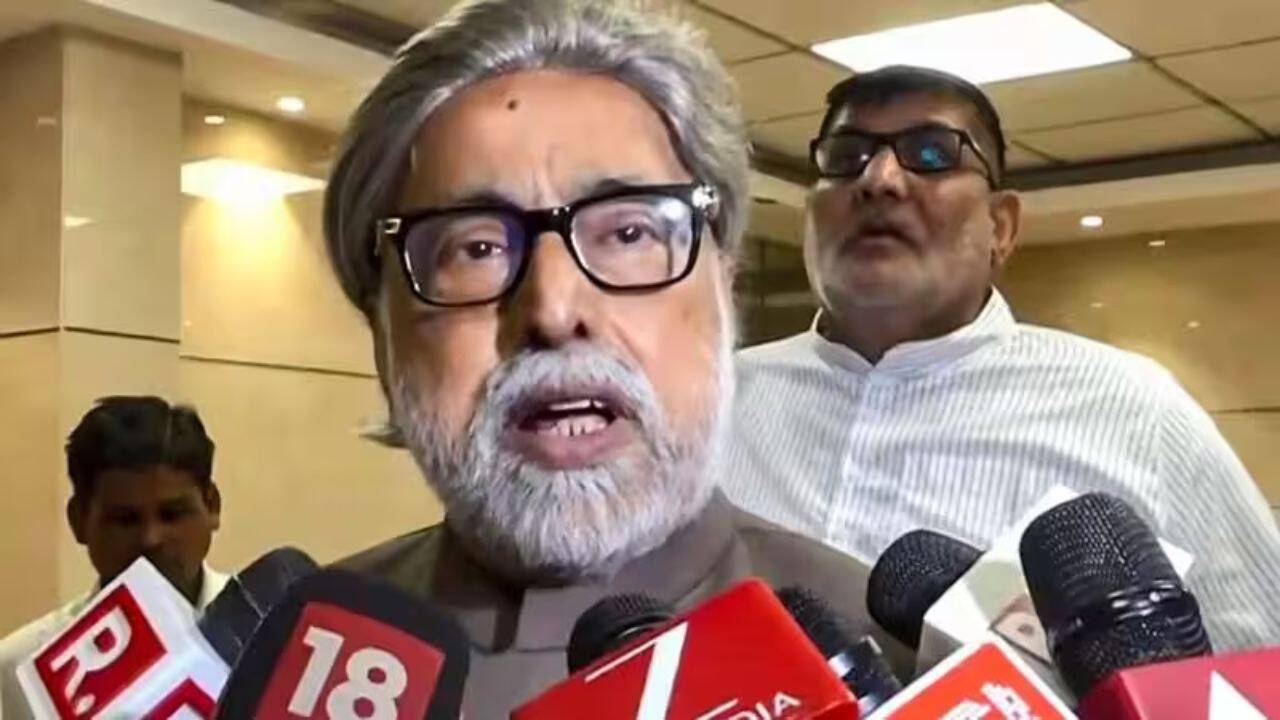
A leader of a rebel faction within the Trinamool Congress (TMC), identified as Sudip, has urged Prime Minister Narendra Modi to appoint a convener for the National Democratic Alliance (NDA). The request, made in a communication to the Prime Minister, is aimed at enhancing dialogue between the faction and the alliance.
The TMC, which is a key opposition party, has seen a section of its leaders and lawmakers break away in recent months. This rebel group is reportedly considering a merger with another political entity and is seeking clarity on its legitimacy within the NDA. The appointment of a convener is seen as a step that would formalise the faction's engagement with the alliance.
In a related development, the faction is planning to approach the Supreme Court regarding the disqualification of rebel Lok Sabha members. The move is intended to expedite a legal resolution on their status. The members face potential disqualification under the anti-defection law, which is a complex legal area.
The Supreme Court has often dealt with cases under the Tenth Schedule of the Constitution, which pertains to disqualification on grounds of defection. The rebel lawmakers' plea likely seeks a definitive ruling on whether their actions constitute defection and if they can retain their seats. The court may also consider the timelines for such decisions.
The NDA, led by the Bharatiya Janata Party, has historically operated with a convener to coordinate among its constituent parties. While the BJP president often plays a central role, the formal designation of a convener is sometimes made to accommodate key allies. The rebel TMC faction's request is significant as it seeks to establish a direct channel with the ruling coalition.
Political analysts note that this development reflects the evolving political equations in state and national arenas. The TMC's internal dissent and the faction's overtures toward the NDA suggest a realignment of loyalties among some leaders. However, no official response from the Prime Minister's Office has been reported so far.
The faction's communication to the Prime Minister is part of a broader effort to secure its political future. Alongside the merger talks, the legal challenge in the Supreme Court is aimed at protecting the parliamentary seats of its members. The party leadership, including TMC supremo Mamata Banerjee, has not yet commented on the matter publicly. The TMC leadership, known for its strong response to dissent, may also take disciplinary action against the rebels.
This situation underscores the complexities of coalition politics in India, where defections and mergers can reshape alliances. The outcome of the faction's requests and legal actions will be watched closely by political observers. For now, the ball appears to be in the Prime Minister's court regarding the appointment of an NDA convener.
The concept of an NDA convener has been part of the coalition's functioning since its formation in 1998. Over the years, the role has been held by senior leaders from member parties. The appointment is often symbolic but can also play a practical role in managing alliance disputes. The rebel TMC faction's request, therefore, carries political significance beyond mere administrative arrangement. Regardless of the outcome, this episode highlights the fluid nature of political alliances in the country.