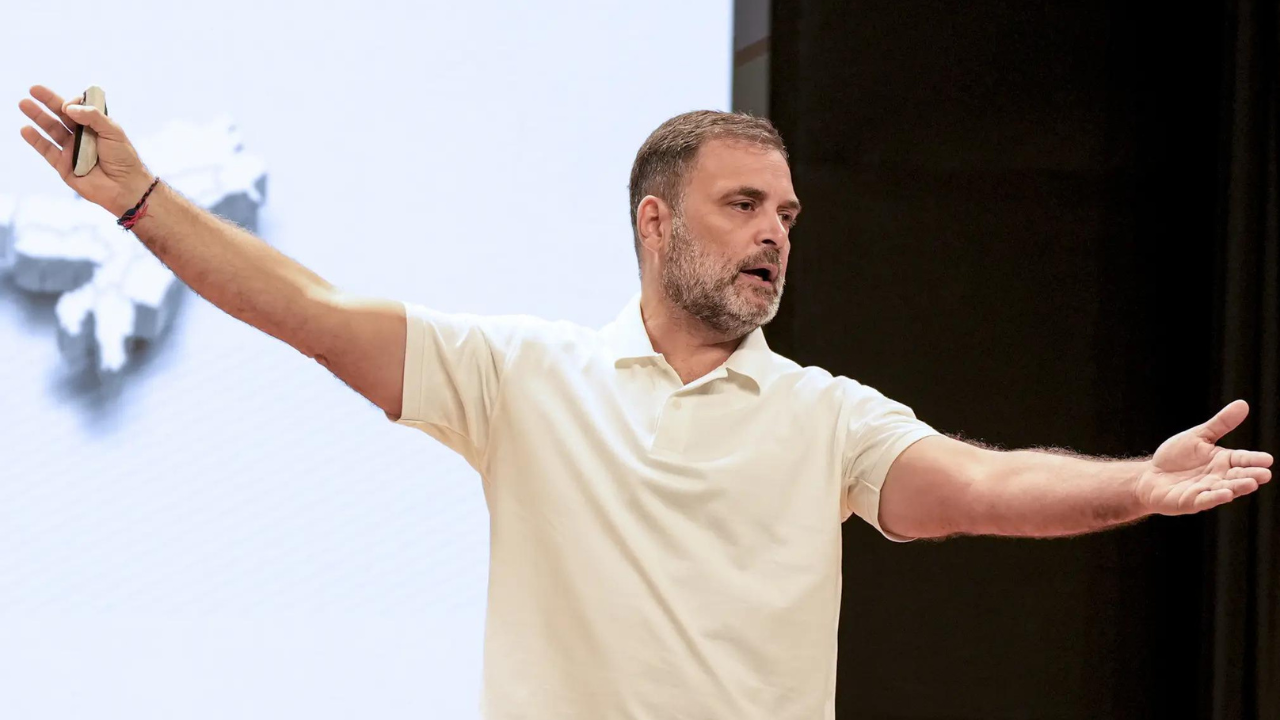
Rahul Gandhi vows campaign against E20 petrol, accuses govt of 'stealing money'
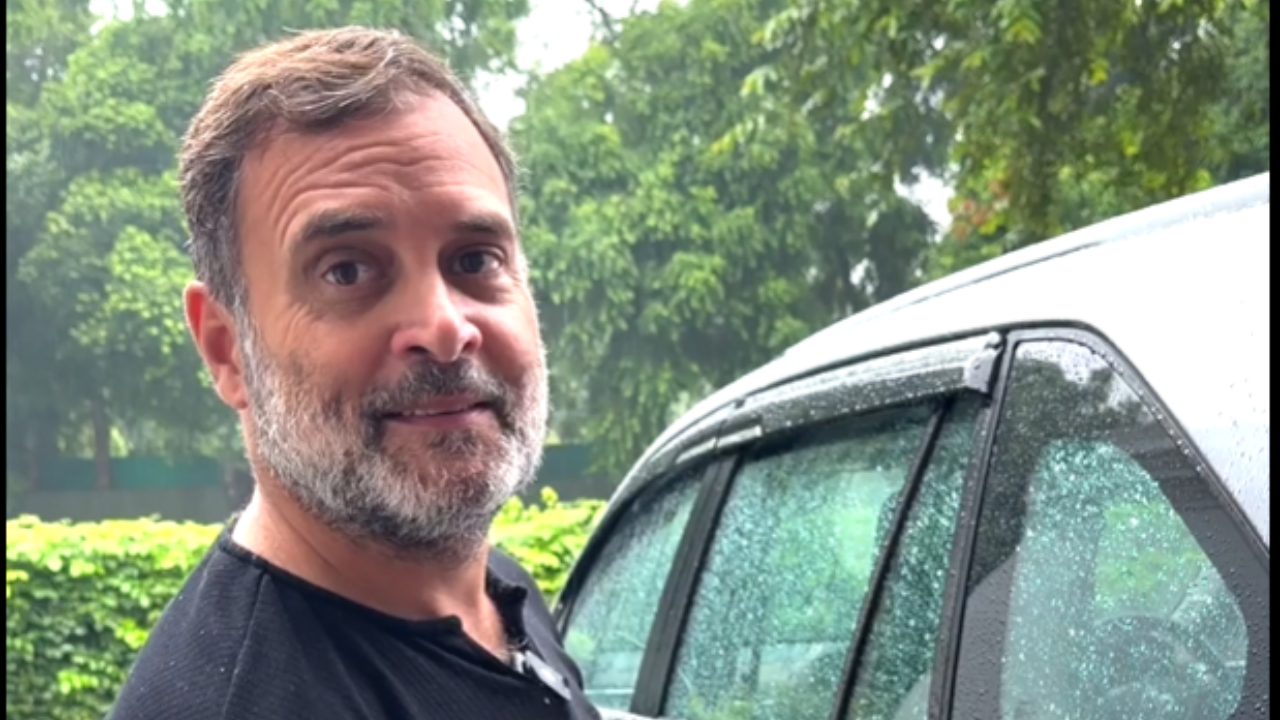
Congress leader Rahul Gandhi has announced that he will launch a campaign against the Centre's E20 fuel policy, accusing the government of "stealing money" and "destroying lives". The statement marks an escalation of the political debate over ethanol blending in petrol.
Addressing a gathering, Gandhi said the policy benefits only a few industrialists while burdening common people. He did not specify the details of the campaign but asserted that it would be taken to the people across the country.
E20 refers to petrol blended with 20% ethanol. The government has been promoting ethanol blending to reduce crude oil imports, cut vehicular emissions, and provide an additional income source to farmers. Under the National Biofuel Policy, oil marketing companies have been asked to supply E20 fuel from April 2023, with a phased rollout. The government aims to achieve a 20% blending target by 2025-26.
Supporters of the policy argue that it reduces India's dependence on imported oil and helps the agricultural sector. However, critics have raised concerns about the diversion of food crops for fuel, water usage in ethanol production, and the impact on food security. Some experts also question the economic viability of blending, especially when crude oil prices are low.
Gandhi's remarks come at a time when the Congress is trying to position itself as the main challenger to the ruling Bharatiya Janata Party ahead of national elections. The party has been attacking the government on issues such as unemployment, price rise, and the handling of the economy.
The government has not yet responded to Gandhi's latest statement. Earlier, Union ministers have defended the ethanol blending programme, saying it is part of the country's commitment to clean energy and a step towards self-reliance in the energy sector. They have also noted that E20 is already used in countries like Brazil for decades.
Political observers note that the campaign could intensify the political confrontation over fuel prices and environmental policy. While the Congress has previously taken up issues related to fuel pricing, this is one of the first major political campaigns specifically targeting ethanol blending.
The E20 policy is being implemented in phases. The government has said that vehicles compatible with E20 are being introduced, and existing vehicles will be able to use the fuel with some adjustments. Public sector oil marketing companies have been expanding the availability of E20 fuel across the country. Automakers have also been supportive, with many launching flex-fuel compliant models.
Farmers' groups have a mixed response. Sugarcane farmers generally support ethanol blending as it provides a market for their produce. However, some agricultural experts worry that excessive focus on sugarcane for ethanol could affect the production of other crops and impact water resources. Grain-based ethanol, which is also part of the policy, has raised concerns about food inflation.
As the political debate unfolds, consumers are likely to hear more about the pros and cons of E20 fuel. The government maintains that blending will lead to significant foreign exchange savings and a cleaner environment. The opposition says the policy is a giveaway to industrialists and that the common person will bear the cost.
Rahul Gandhi has promised to lay out a detailed schedule of the campaign in the coming days. It remains to be seen how the issue plays out in the political arena, but the announcement has already set the stage for a contentious debate on energy policy and economic equity.