Rahul Gandhi questions Allahabad HC order in disproportionate assets case, seeks transfer reversal
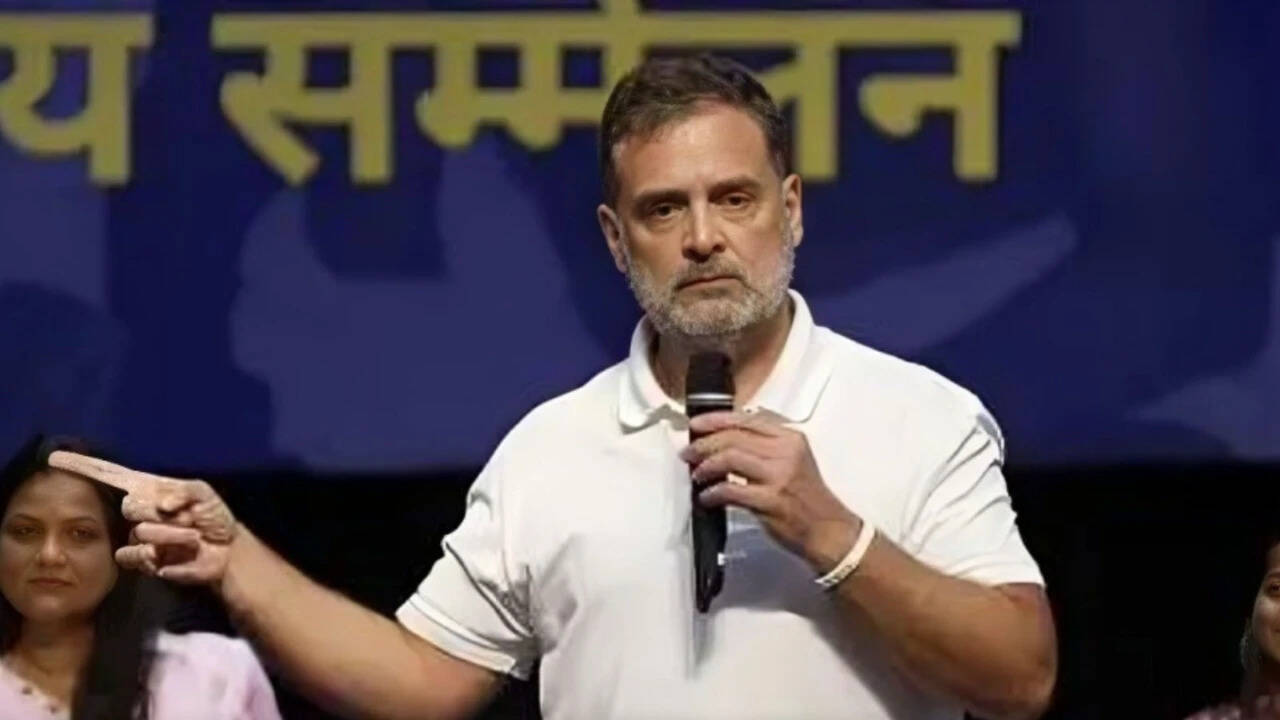
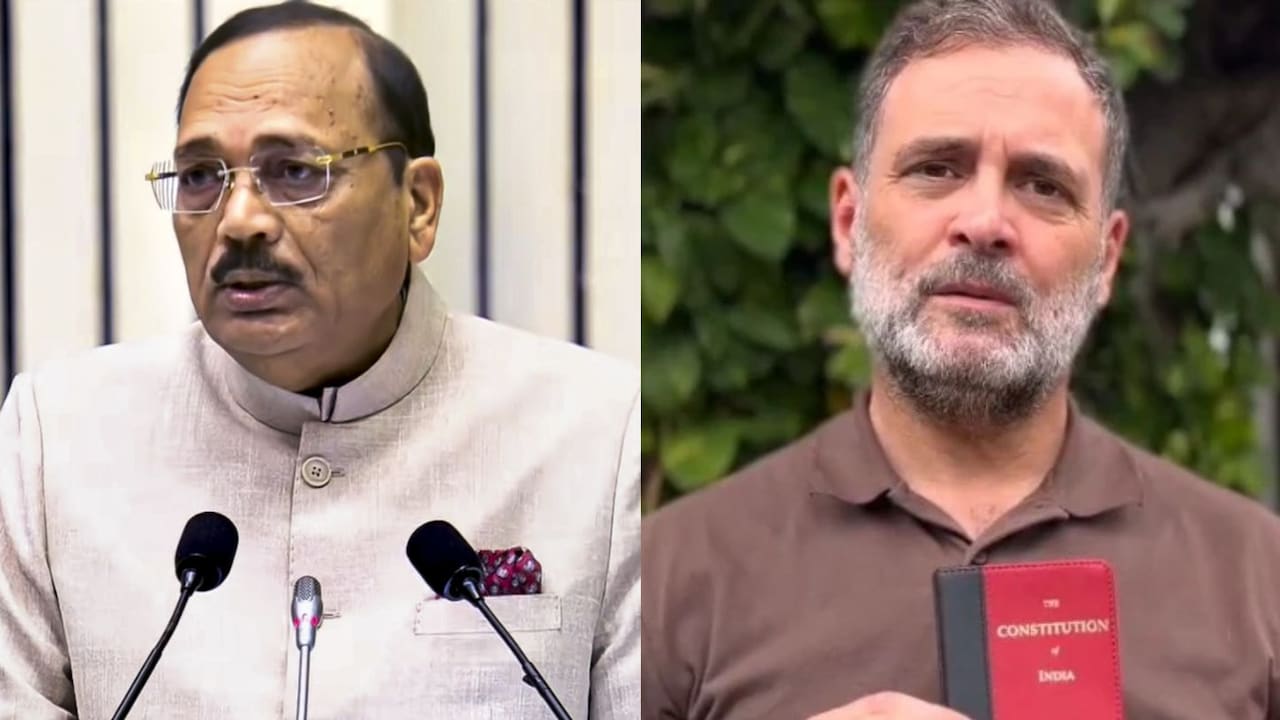
Congress leader Rahul Gandhi has questioned the Allahabad High Court's recent order transferring the disproportionate assets case against him, stating that the court passed the directive without reference to any “fundamental material” that would warrant such a move. He has called for the case to be shifted back to the original court, arguing that the transfer lacks legal justification.
The case relates to a complaint filed against Gandhi alleging that his assets are disproportionate to his known sources of income. The matter was originally pending before a special MP-MLA court in Rae Bareli. Last month, the Allahabad High Court, acting on a petition by the complainant, ordered the case to be transferred to a similar court in Lucknow, citing reasons that Gandhi's legal team has contested.
Gandhi's response came in a statement issued after the court's order became public. He maintained that the high court's decision was not supported by any substantive evidence or reasoning that would justify moving the trial away from its original jurisdiction. The Congress leader, who represents Rae Bareli as a Member of Parliament, has consistently denied the allegations, calling the case politically motivated.
The disproportionate assets case is one of several legal proceedings involving Gandhi in recent years. In 2023, he was convicted and sentenced in a criminal defamation case over remarks about the surname 'Modi', a sentence that was later stayed by the Supreme Court. The current case, however, pertains to an alleged accumulation of wealth during his years as a public representative.
Legal experts say that a transfer application in a criminal case is ordinarily allowed only when there is a reasonable apprehension of bias or a likelihood of a fair trial being compromised. In his statement, Gandhi highlighted that the high court order did not cite any such fundamental material, suggesting that the transfer was based on unsubstantiated assertions.
The complainant in the case has welcomed the high court's decision, arguing that a trial in Lucknow would ensure a fair and expeditious hearing. Lawyers for Gandhi have indicated that they will challenge the order before the Supreme Court, contending that the transfer sets a worrying precedent and interferes with the ordinary course of trial proceedings.
The development comes at a time when Gandhi has been leading the Congress party's campaign for the 2024 Lok Sabha elections. His legal troubles have been a recurring political issue, with the Bharatiya Janata Party accusing him of avoiding accountability. Gandhi, however, has maintained that the cases against him are part of a pattern of using state machinery to target political opponents.
The Supreme Court may hear Gandhi's plea in the coming weeks. Until then, the trial court in Lucknow is expected to take up the case, though no hearing has been scheduled. The order's legality and the question of whether the transfer was justified remain open for judicial scrutiny.
Observers note that the case's outcome could have broader implications for how such allegations are processed, particularly when the accused is a prominent political figure. The judiciary, in its response, must balance the complainant's right to a fair and convenient forum with the accused's right to a trial without external influence.
Rahul Gandhi's statement has once again brought the case into the public sphere, where it is likely to feature in political debates as the election season intensifies. For now, the legal process will determine whether the high court's order stands or whether the case returns to Rae Bareli.